 Eduardo Sifuentes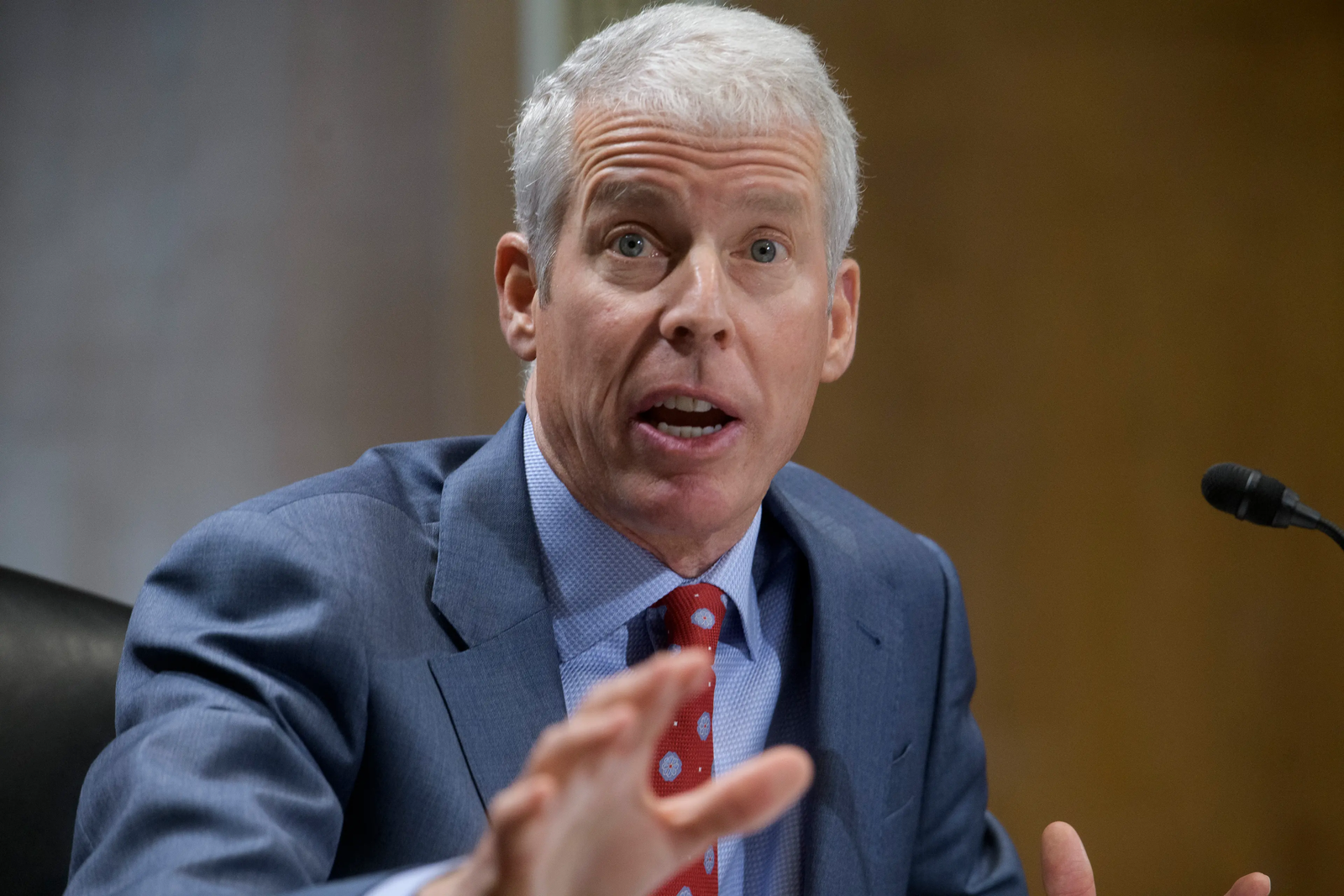

preCharge News POLITICS — U.S. Energy Secretary Chris Wright said Sunday that rising energy prices tied to the escalating conflict with Iran will be short-lived, arguing global oil supplies remain strong despite disruptions to shipping in the Middle East.
“We have a temporary period of elevated energy prices, but it will not be long,” Wright said during an interview on Face the Nation with host Margaret Brennan.
War With Iran Pushes Gas Prices Higher
Gas Prices Rise 14% in a Week
Concerns about a global energy crisis have intensified as the war with Iran enters its second week.
According to AAA, gasoline prices in the United States have risen 14% over the past week, bringing the national average to $3.45 per gallon on Sunday. Prices had dipped below $3 per gallon as recently as December.
Despite the spike, Wright said fuel prices should stabilize soon.
“Gas prices shouldn’t go much higher than they are here, because the world is very well supplied with oil,” he said.
Strong Global Oil Supply Limits Long-Term Impact
U.S. Energy Exports Provide Stability
Wright emphasized that the Western Hemisphere faces no energy shortage, noting the United States is a major exporter of both oil and natural gas.
“There’s no energy shortage at all in the Western Hemisphere,” he said. “The United States is a net exporter of oil and a large net exporter of natural gas.”
However, some refineries in Asia and Europe are experiencing disruptions due to changes in crude oil shipping routes linked to the conflict.
Wright added that global oil inventories remain significant.
“There are massive energy stores around the world,” he said, suggesting current price increases are driven largely by market fears of a prolonged war.
Strait of Hormuz Disruptions Affect Global Energy Markets
Critical Shipping Route Sees Reduced Traffic
The war has significantly reduced shipments through the Strait of Hormuz, one of the world’s most critical energy chokepoints.
Roughly 20% of global oil shipments normally pass through the narrow waterway, which typically transports around 20 million barrels of oil per day.
Wright said he expects shipping activity to return to normal relatively soon, though U.S. military protection may be necessary to secure the route.
“All of our military assets right now are focused on ending Iran’s ability to threaten ship traffic in the Strait of Hormuz,” he said.
Administration Says Conflict Could Lower Energy Prices Long Term
Weakening Iran Could Stabilize Middle East Energy Supply
Wright argued the military operation against Iran could ultimately lower global energy costs by stabilizing a key oil-producing region.
According to Wright, reducing Iran’s ability to threaten regional stability would help boost energy production across the Middle East.
“It will bring in an era of even lower energy prices,” he said, adding that the real risk to markets would have been “not doing anything.”
The Trump administration believes weakening Iran’s military capabilities could reduce long-standing geopolitical risks tied to energy supply in the region.
Strategic Petroleum Reserve Remains an Option
U.S. Could Release Oil if Needed
The administration has so far resisted calls to release crude from the Strategic Petroleum Reserve, though Wright said the option remains on the table.
“We’re more than happy to use that if it’s needed,” he said.
He noted that refineries in Europe and Asia are also relying on alternative sources of crude, including oil from Russia. The U.S. Department of the Treasury recently allowed India to purchase Russian crude until April 4 under a temporary sanctions waiver aimed at easing market pressure.
“We’re just doing pragmatic things to get through a short period,” Wright said.
Want to earn some extra money on the side? Buy PCPi Coin or Subscribe to VIP and get dividens monthly.
____
Associated Press, CNBC News, Fox News, and preCharge News contributed to this report.