 Eduardo Sifuentes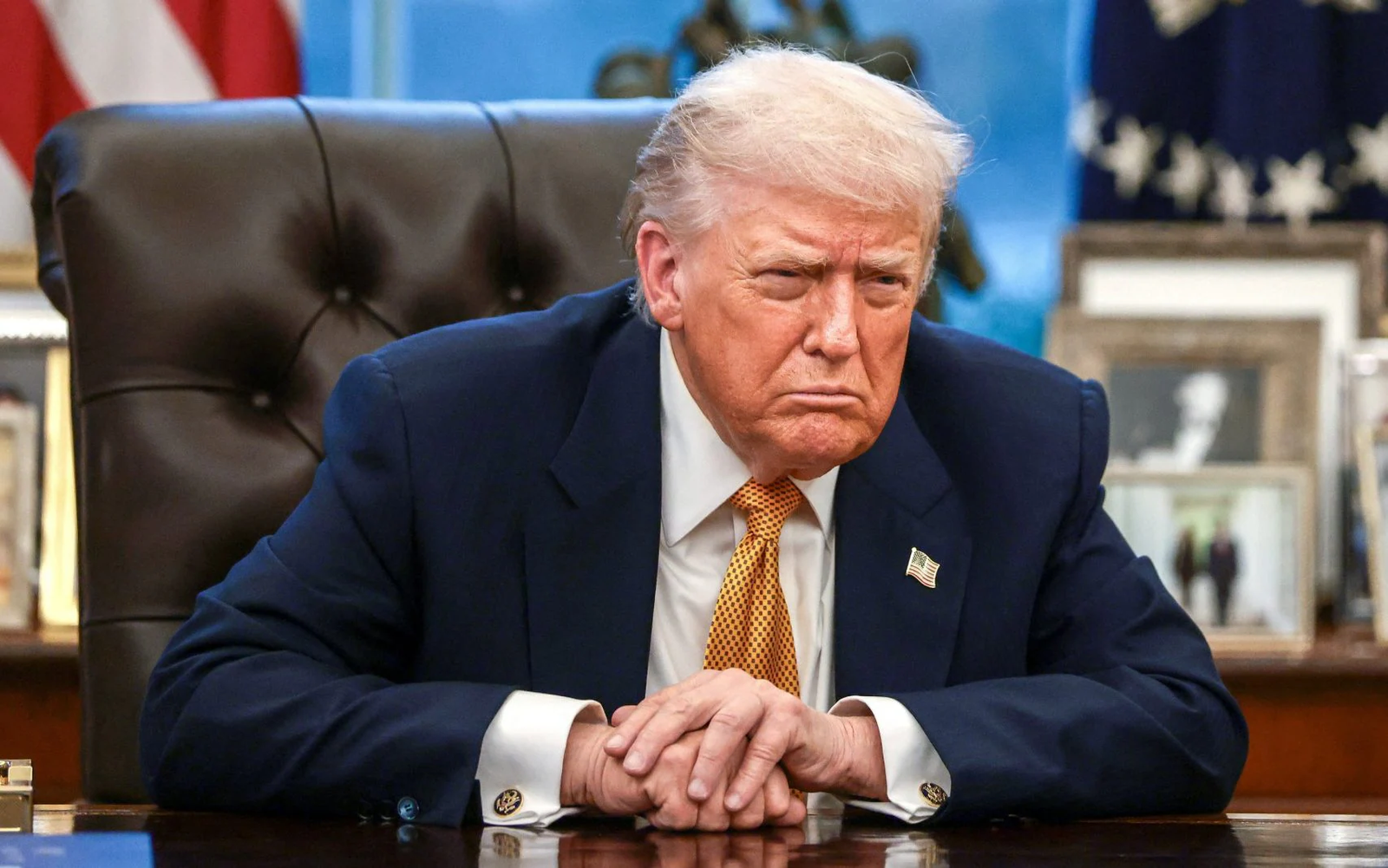

preCharge News POLITICS — President Donald Trump said a peace agreement between the United States and Iran is “largely negotiated” and could soon be finalized, potentially reopening the Strait of Hormuz after months of conflict and disruption. The talks involve multiple regional governments and may include an initial memorandum of understanding, although key disputes remain over Iran’s nuclear program, sanctions and control of the strategic oil route.
Trump Says Regional Leaders Helped Advance Negotiations
President Donald Trump said discussions with multiple regional leaders helped move the process closer to a potential agreement with Iran.
According to Trump, conversations included leaders from Saudi Arabia, the United Arab Emirates, Qatar, Pakistan, Turkey, Egypt, Jordan and Bahrain, along with Israeli Prime Minister Benjamin Netanyahu.
Trump wrote that an agreement between Washington, Tehran and participating countries had been “largely negotiated,” while cautioning that final terms were still being completed.
The White House has not yet publicly released details of any draft agreement or timeline for implementation.
Proposed First Phase Could Include Memorandum of Understanding
Iran’s foreign ministry indicated that negotiations may begin with a memorandum of understanding before broader talks take place over the next 30 to 60 days.
Reports suggest discussions may include:
- Potential sanctions relief for Iran
- Unfreezing Iranian overseas assets
- Framework discussions surrounding nuclear negotiations
- Steps toward restoring maritime activity in the Strait of Hormuz
Strait of Hormuz Remains Central to Negotiations
The Strait of Hormuz remains one of the biggest sticking points in the broader negotiations.
Roughly one-fifth of global oil shipments normally move through the narrow waterway, making it among the world’s most strategically important energy corridors.
Conflict in the region has significantly disrupted shipping and contributed to:
- Rising global oil prices
- Higher U.S. gasoline costs
- Inflation concerns
- Increased pressure on global supply chains
Iran Signals Continued Control Over Strait
Despite Trump’s announcement, Iranian media reports suggested Tehran may still insist on retaining operational control over the waterway.
Reports from Iran’s Fars news agency described claims regarding a finalized reopening arrangement as incomplete and potentially inconsistent with ongoing discussions.
The differing narratives highlight continued uncertainty surrounding:
- Shipping access
- Maritime security arrangements
- Military de-escalation measures
Nuclear Program Remains Major Obstacle
One of the largest unresolved issues remains Iran’s nuclear infrastructure.
The Trump administration has repeatedly identified several priorities:
- Restrictions on highly enriched uranium
- Limitations on nuclear weapons capability
- Questions surrounding major nuclear facilities including Natanz, Fordow and Isfahan
Iran has previously indicated that comprehensive nuclear negotiations should occur only after a more formal end to hostilities.
H3: Fragile Ceasefire Continues Amid Ongoing Tensions
A fragile ceasefire has remained in place since early April, though periodic confrontations and disputes over maritime access have continued.
Regional governments including Saudi Arabia, Qatar and the UAE have reportedly urged de-escalation efforts amid concerns that prolonged conflict could further destabilize energy markets.
Want to earn some extra money on the side? Buy PCPi Coin or Subscribe to VIP and get dividens monthly.
____
Associated Press, CNBC News, Fox News, and preCharge News contributed to this report.