 Eduardo Sifuentes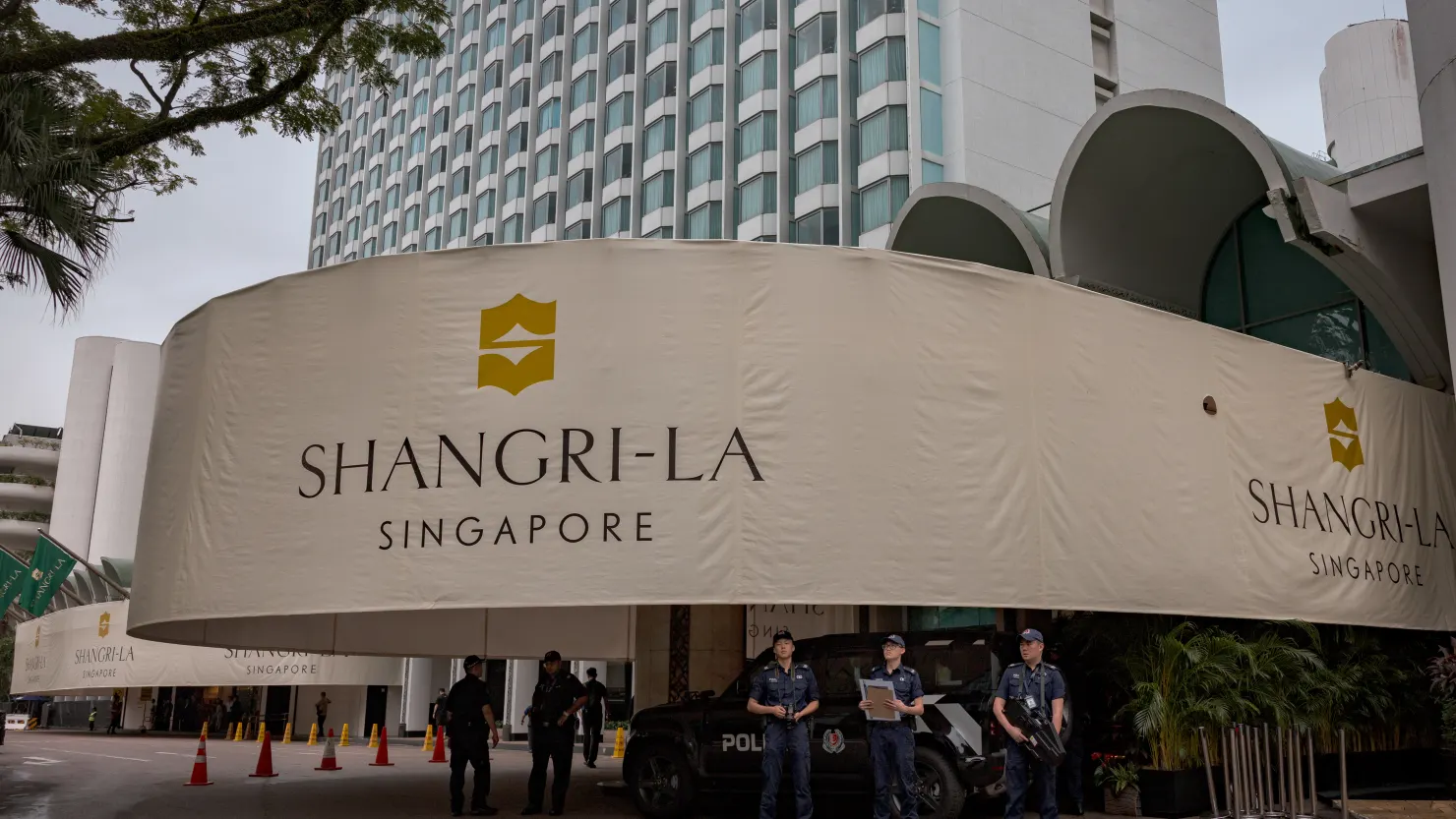

preCharge News POLITICS — The annual Shangri-La Dialogue in Singapore brought together defense ministers, military leaders and policymakers from around the world, with discussions centered on rising defense budgets, China’s military ambitions in the Asia-Pacific and the evolving lessons emerging from Russia’s war in Ukraine.
Held from May 29 to May 31, the security summit featured senior officials from the United States, Europe and Asia-Pacific nations, highlighting growing concerns about regional stability, deterrence and military readiness amid an increasingly uncertain geopolitical environment.
Defense Spending Emerges as a Central Theme
One of the strongest messages from this year’s summit was the broad acceptance among governments that defense spending must increase to address growing security challenges.
U.S. Pushes Allies to Increase Military Budgets
U.S. Secretary of War Pete Hegseth argued that nations should dedicate at least 3.5% of gross domestic product to defense spending, reinforcing a long-standing position championed by President Donald Trump.
Countries including Japan, Philippines and Netherlands are planning increased military expenditures, while even nations below the proposed threshold, such as New Zealand, are expanding defense investments.
NATO and Indo-Pacific Allies Emphasize Self-Reliance
Dilan Yesilgoz-Zegerius said the United States was justified in asking allies to contribute more toward collective defense, noting that Russia’s invasion of Ukraine fundamentally altered public attitudes toward military preparedness.
Meanwhile, Jennie Carignan stressed that international cooperation remains essential but requires nations to maintain credible military capabilities of their own.
China’s Reduced Presence Draws Attention
China’s decision not to send Defense Minister Dong Jun to the conference for a second consecutive year became a major talking point among participants.
Beijing Sends Lower-Level Delegation
Instead, China’s delegation was led by Meng Xiangqing, a senior military academic from the People’s Liberation Army National Defence University.
The absence of China’s defense chief was widely noted by delegates. Hegseth publicly expressed disappointment, while Japan’s defense minister Shinjiro Koizumi called for greater engagement and dialogue between regional powers.
German military chief Carsten Breuer suggested China missed an opportunity to participate in meaningful strategic discussions at the ministerial level.
Philippines Criticizes Beijing’s Approach
The strongest criticism came from Gilberto Teodoro, who argued that China’s participation offered limited value and primarily served to promote official government positions rather than encourage constructive engagement.
Sharp Exchanges Over Regional Security
Despite China’s lower-profile representation, debates over regional security remained intense.
Taiwan and Military Expansion Spark Debate
Meng questioned Japan’s expanding defense budget and growing role in international weapons exports, raising historical concerns tied to World War II.
Former Chinese Vice Foreign Minister Cui Tiankai defended Beijing’s stance on Taiwan, describing cross-strait relations as an issue of national unity and territorial sovereignty.
Japan responded by accusing China of insufficient transparency regarding its military buildup, while U.S. officials warned of growing regional concerns about Beijing’s expanding military capabilities.
Teodoro delivered one of the summit’s strongest critiques, accusing China of persistent expansionist behavior throughout the region.
Ukraine War Continues to Shape Global Military Planning
The war in Ukraine remained a dominant reference point throughout discussions, particularly regarding the effectiveness of asymmetric warfare strategies.
Military Leaders Study Ukraine’s Battlefield Innovations
Pavlo Klimkin said military planners around the world are closely examining Ukraine’s use of asymmetric deterrence against a larger and better-equipped adversary.
The conflict has accelerated interest in drones, electronic warfare, intelligence integration and decentralized battlefield operations.
European Militaries Incorporate Ukrainian Experience
Dutch Chief of Defence Onno Eichelsheim revealed that Ukrainian advisers are actively helping Dutch military planners evaluate future investments and identify effective capabilities.
Military leaders emphasized that the conflict is reshaping defense doctrines globally and influencing decisions on procurement, force structure and long-term security planning.
Broader Security Concerns Dominate Asia-Pacific Discussions
Beyond defense spending and Ukraine, participants discussed broader strategic issues including Taiwan, the South China Sea, regional deterrence, supply chain security and military modernization.
The summit underscored growing alignment among many governments on the need for stronger defense capabilities while highlighting continuing divisions over China’s regional ambitions and future security architecture in both Europe and the Indo-Pacific.
Want to earn some extra money on the side? Buy PCPi Coin or Subscribe to VIP and get dividens monthly.
____
Associated Press, CNBC News, Fox News, and preCharge News contributed to this report.