 Eduardo Sifuentes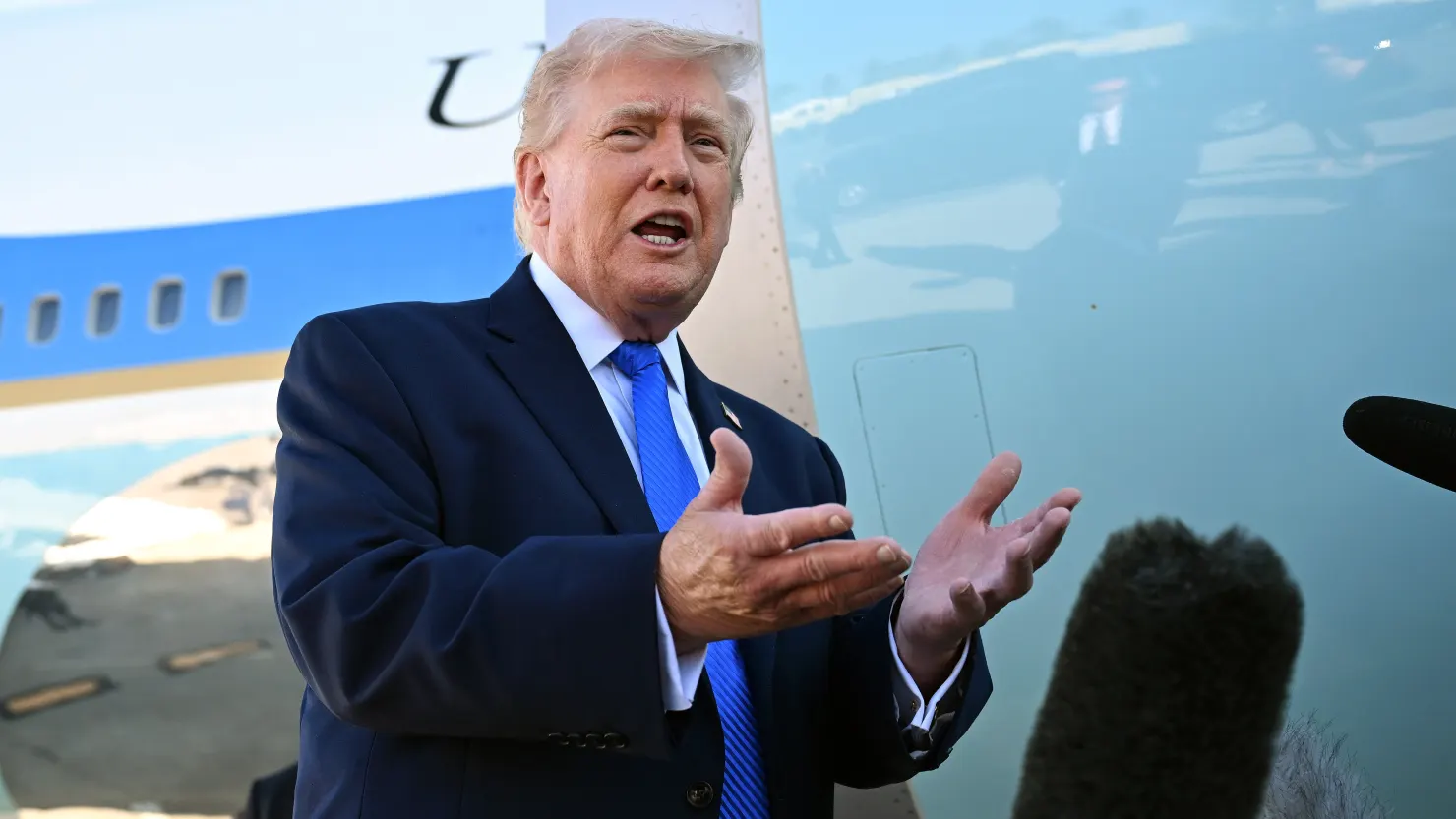

preCharge News POLITICS — President Donald Trump on Monday downplayed the potential collapse of U.S.-Iran peace negotiations, saying he was largely indifferent to whether talks continue as geopolitical tensions in the Middle East intensify.
Speaking during a phone interview with CNBC, Trump dismissed concerns that Tehran could abandon negotiations and further escalate the conflict by tightening restrictions in the Strait of Hormuz, a critical global energy shipping route.
Trump Dismisses Concerns Over Potential End of Iran Negotiations
Trump said he was not concerned by reports suggesting Iranian negotiators may walk away from talks with Washington amid heightened regional instability.
‘I Really Don’t Care,’ Trump Says
“I really don’t care. I couldn’t care less,” Trump said when asked about the possibility of peace negotiations ending.
The president added that the lengthy diplomatic process had become increasingly frustrating.
“If they’re over, they’re over,” Trump said. “Frankly, I thought they started to get very boring.”
Reports earlier Monday suggested Iranian officials were considering suspending negotiations while also moving to completely block the Strait of Hormuz following Israeli military operations targeting Hezbollah positions in Lebanon.
Trump said Iranian officials had not directly informed him that talks were ending.
“No they haven’t,” he said.
Trump Signals No Urgency to Restart Negotiations
While insisting that negotiations could technically continue, Trump repeatedly indicated he was not eager to revive stalled discussions.
“If they’re over, they’re over. If they’re not, you know, I think they took too much time,” he said.
The comments marked one of Trump’s strongest signals yet that Washington may be willing to move forward without a diplomatic breakthrough if negotiations fail to produce results.
Trump Speaks With Netanyahu as Regional Tensions Rise
Amid concerns that fighting could expand across the Middle East, Trump revealed he had spoken with Israeli Prime Minister Benjamin Netanyahu.
Trump Claims Lebanon Escalation Has Been Contained
Trump said he intended to ask Netanyahu about developments involving Lebanon and Hezbollah.
Later Monday, Trump stated on social media that he had held a “very productive call” with Netanyahu and claimed military movements toward Beirut had been halted.
According to Trump, communications with Hezbollah representatives also resulted in commitments to halt hostilities between the Iran-backed group and Israel.
Despite those claims, Trump separately emphasized that diplomatic engagement with Iran remains ongoing.
“Talks are continuing, at a rapid pace, with the Islamic Republic of Iran,” he wrote.
Ceasefire Questions Remain Unanswered
When asked whether the current U.S.-Iran ceasefire should formally end, Trump declined to provide a direct answer.
“Why would I tell you?” he responded when pressed on the issue.
The ceasefire remains technically in place despite growing uncertainty surrounding future negotiations and continued regional military tensions.
Oil Markets and Strait of Hormuz Remain Key Concerns
The possibility of disruptions to shipping through the Strait of Hormuz continues to attract global attention because of the waterway’s importance to international energy markets.
Trump Predicts Oil Prices Will Fall
Despite reports of possible Iranian actions affecting shipping traffic, Trump expressed confidence that oil prices would soon decline.
“I think the oil will be dropping like a rock in the very near distance,” he said.
Oil markets reacted sharply to reports regarding the Strait of Hormuz, with traders closely monitoring developments that could impact global crude supplies.
President Says Americans Understand Higher Energy Costs
Trump argued that voters would tolerate higher gasoline prices if they understood the broader objective of preventing Iran from acquiring nuclear weapons.
“Once you explain that this is all about Iran having a nuclear weapon, people are willing to pay a little bit more,” he said.
He also predicted that fuel prices would eventually decline rapidly.
Trump Questions NATO’s Role in Hormuz Security
Trump suggested that NATO members have a stronger economic interest than the United States in keeping the Strait of Hormuz open because many European nations depend heavily on energy shipments passing through the region.
NATO Allies Should ‘Help Us Out,’ Trump Says
The president argued that U.S. allies benefit more directly from uninterrupted maritime trade through the strait.
“They should come in and help us out,” Trump said.
At the same time, Trump indicated he had not actively sought NATO involvement and remained uncertain whether he wanted alliance participation.
“They would if I wanted them to, but I’m not sure I want them to,” he said.
Trump Criticizes NATO Response
Trump reiterated longstanding criticisms of NATO, arguing that alliance members had failed to demonstrate sufficient support during the crisis.
“We don’t need them. We don’t need NATO,” Trump said.
“They were very, very weak and very sad, what they said. They said, ‘We’ll help you as soon as the war is over.’”
U.S.-Iran Diplomacy Faces Uncertain Future
Trump’s comments underscore growing uncertainty surrounding efforts to secure a diplomatic agreement with Iran. While administration officials continue to discuss negotiations and regional security issues, the president’s remarks suggest Washington may be increasingly prepared for talks to fail.
With tensions involving Iran, Israel, Hezbollah and the Strait of Hormuz continuing to shape global energy markets and geopolitical calculations, the future of the negotiations remains unclear.
Want to earn some extra money on the side? Buy PCPi Coin or Subscribe to VIP and get dividens monthly.
____
Associated Press, CNBC News, Fox News, and preCharge News contributed to this report.