 Eduardo Sifuentes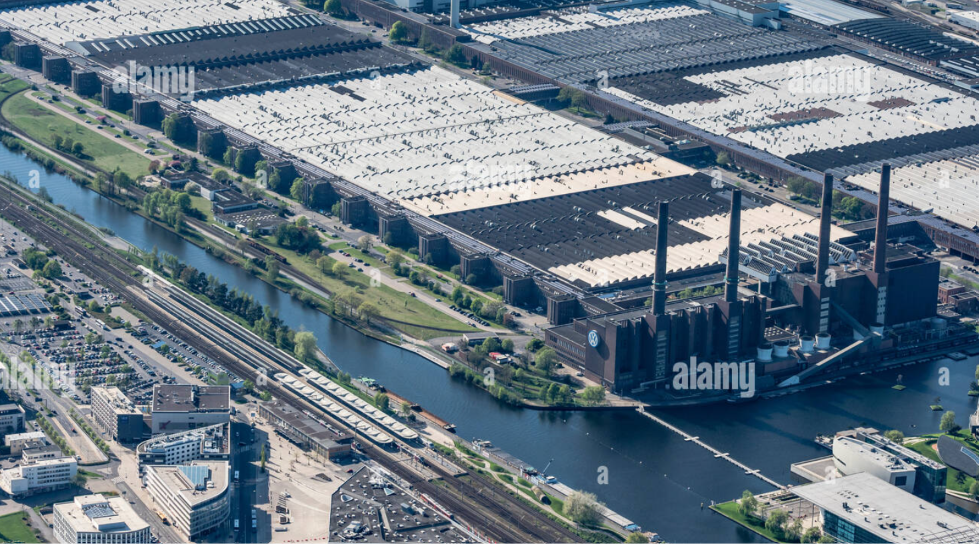
Volkswagen’s supervisory board approved a sweeping restructuring plan Thursday that includes cutting another 50,000 jobs worldwide, bringing total planned reductions to roughly 100,000 positions — and instead of punishing the stock, investors sent shares up as much as 8% the next day.
The Plan, By the Numbers
Volkswagen calls it “Future Plan 2030,” describing it as the most far-reaching transformation in the company’s 89-year history. The company plans to cut its vehicle lineup by half by 2035, and says its German factories currently have excess capacity of more than 500,000 vehicles a year. Four German plants are under review for repurposing or closure, with a final decision expected by mid-2027.
Why Investors Cheered Layoffs

Shares rose to their highest level in nearly three months on Friday, topping the pan-European Stoxx 600 index for the day — even though the stock remains down about 21% for the year. Analysts said the reaction reflected relief that Volkswagen’s powerful labor unions and complex management structure could still agree to cuts at this scale, signaling the company can actually execute change, not just announce it.
Why This Is Happening Now
Volkswagen cited intensifying competition from Chinese automakers, U.S. tariff costs, and shifting demand. The pressure isn’t unique to Volkswagen — Chinese EV makers have been taking share from Western automakers globally, while tariffs have raised the cost of shipping vehicles into the U.S.
What This Means for U.S. Consumers and Investors
Volkswagen owns Audi, Porsche, and Lamborghini alongside its namesake brand, so a slimmer lineup could eventually mean fewer trims or slower U.S. rollouts. For investors, this is a clean real-world example: markets often reward decisive cost-cutting at a struggling industrial company, even when the headline number sounds purely negative.
What to Watch Next
Which of the four German plants get repurposed versus closed, and how GM and Ford respond as a major global rival restructures.
Source: CNBC