 Eduardo Sifuentes
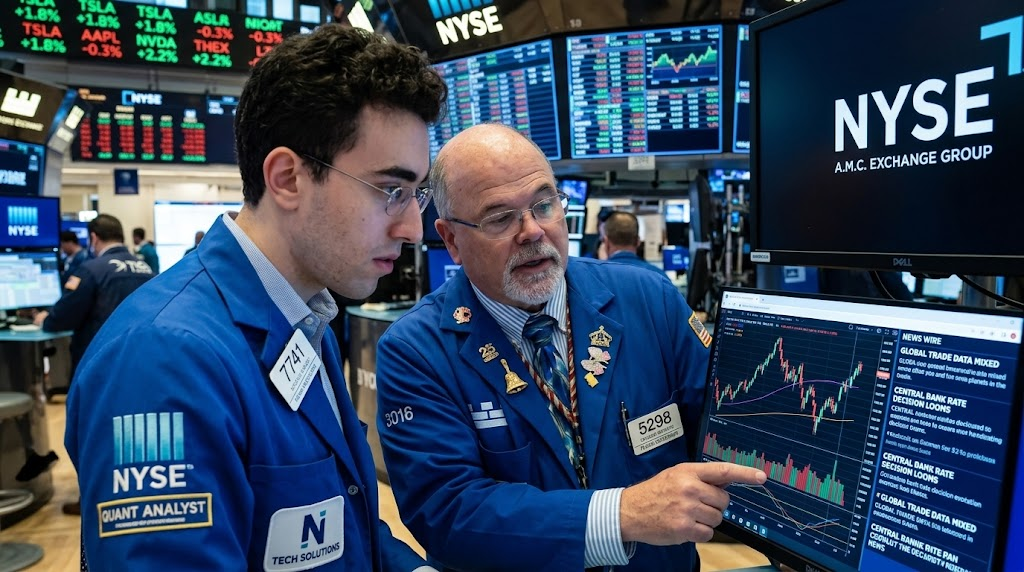
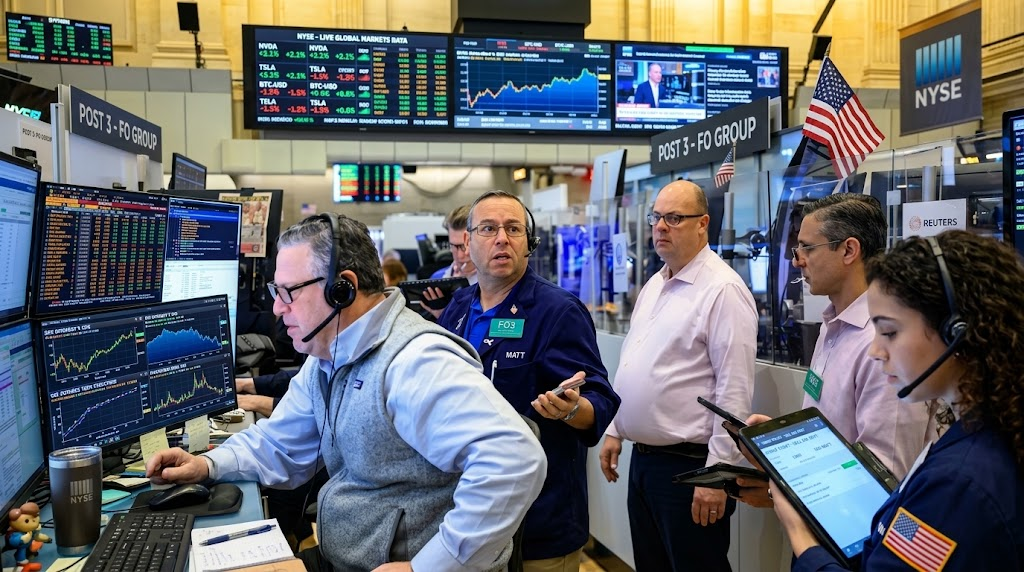
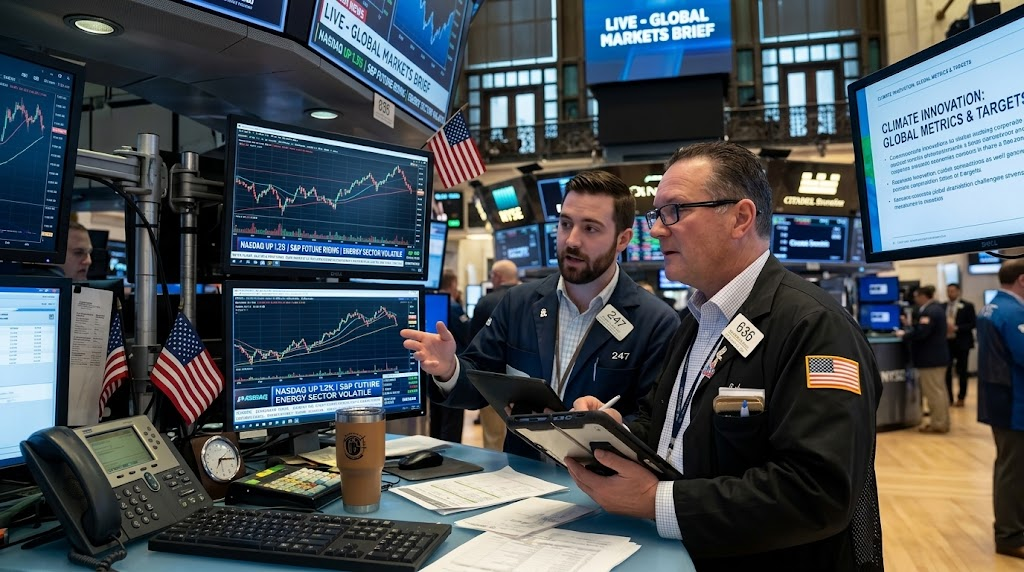
U.S. stocks fell Friday after the government’s August jobs report came in far hotter than economists expected, pushing traders to raise their bets on a Federal Reserve rate hike at this month’s meeting.
The Numbers
The Dow Jones Industrial Average dropped 271.86 points (0.51%) to close at 53,414.25. The S&P 500 slipped 0.38% to 7,718.60, and the Nasdaq fell 0.29% to 26,506.99. Nonfarm payrolls rose 162,000 in August — roughly three times the 53,000 economists forecast — while unemployment held steady at 4.1%. June and July figures were also revised up by a combined 55,000 jobs.
Why a “Good” Jobs Report Made Stocks Fall
Strong hiring is normally welcome, but it complicates the Fed’s decision. Traders pushed the odds of a quarter-point hike at the Fed’s September 15–16 meeting to roughly 58–60%, per CME Group’s FedWatch tool — up sharply from before the report. The 2-year Treasury yield, which tracks rate expectations closely, hit its highest level since January 2025.
What Wall Street Is Saying
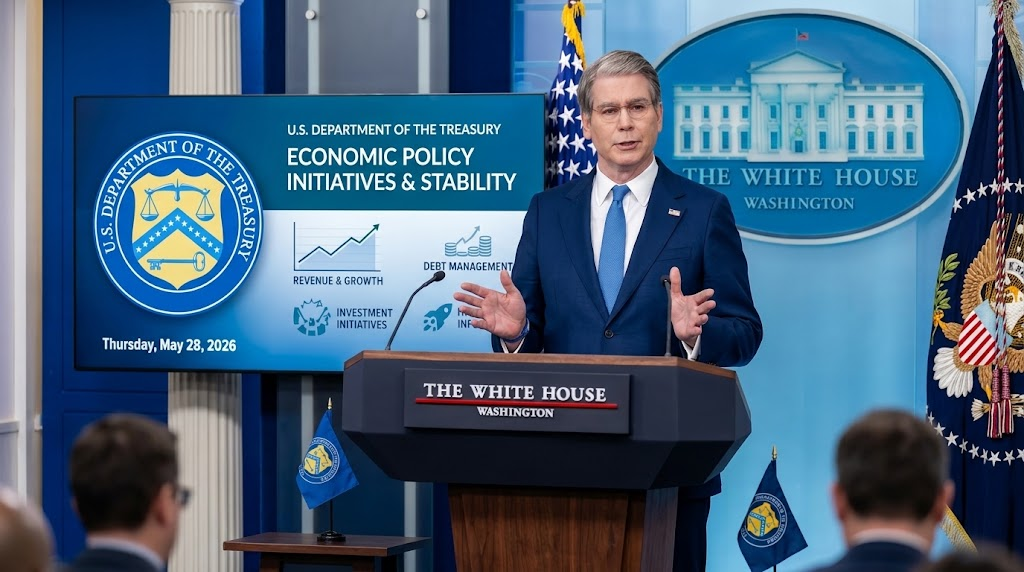
Morgan Stanley’s Ellen Zentner said the report’s strength would likely intensify rate-hike concerns, though next week’s inflation data could still shift the outlook if it comes in cooler than expected. President Trump called the report strong but renewed his public push for the Fed to cut rates instead, urging the central bank’s leadership toward what he framed as more patriotic policy in a social media post.
What This Means for Your Own Money
A rate hike means higher costs on new variable-rate debt — credit cards, some mortgages, auto loans — but better yields on savings and CDs. “Good news” for the economy overall isn’t always “good news” for your portfolio in the short term.
What to Watch Next
Next week’s inflation data, which both the Fed and traders are treating as the deciding factor for the September rate decision.