
 Eduardo Sifuentes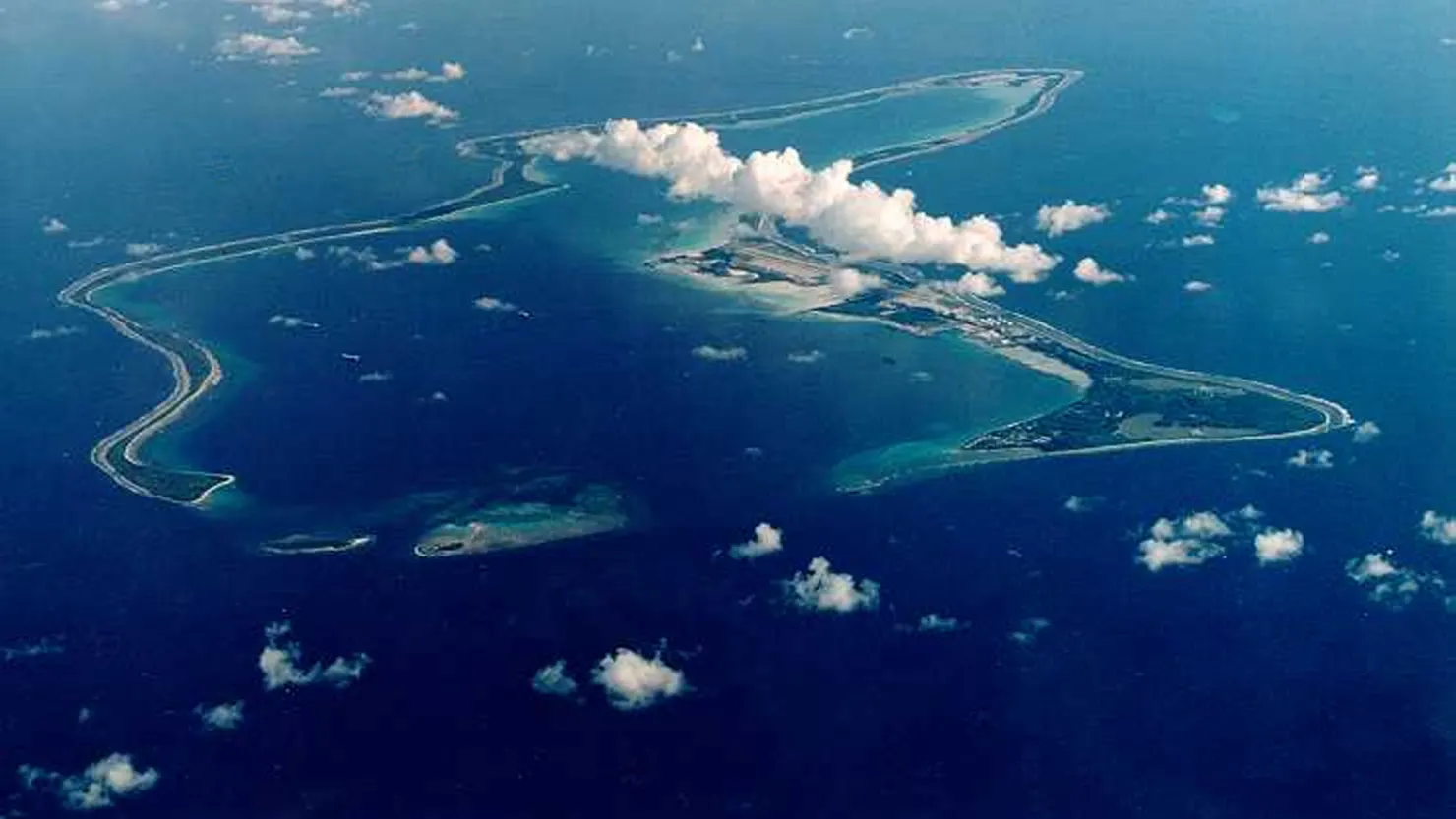

preCharge News POLITICS — Iran fired two missiles at the joint British-American Diego Garcia military base in the Indian Ocean but they failed to reach their target, a U.K. minister said Sunday, confirming earlier reports of the number of projectiles.
“Our assessment is that the Iranians certainly targeted Diego Garcia. As we understand it, one missile fell short, failed. The other was intercepted and prevented,” U.K. Housing Secretary Steve Reed told BBC television.
Reed declined to say how far short the missiles fell.
“There is no specific assessment that the Iranians are targeting the U.K. or even could if they wanted to,” Reed added.
First Use of Advanced Ballistic Missiles Raises Alarm
Iran targeted Diego Garcia with a two-stage intercontinental ballistic missile, Israel’s military said Saturday. This refers to missiles with at least two rocket engines, one allowing the missile to reach space, and the other propels it to its target, at a range of up to 4,000 kilometers (2,500 miles).
“These missiles are not intended to strike Israel. Their range extends to the capitals of Europe — Berlin, Paris, and Rome are all within direct threat range,” Chief of Staff Lt. Gen. Eyal Zamir said.
The Wall Street Journal first reported the attack on Friday, citing multiple U.S. officials.
The reported attack marked Iran’s first operational use of intermediate-range ballistic missiles and a significant attempt to reach far beyond the Middle East and threaten U.S. interests.
U.S. and U.K. Respond as Regional Tensions Intensify
“Iran’s reckless attacks, lashing out across the region and holding hostage the Strait of Hormuz, are a threat to British interests and British allies,” the U.K.’s Ministry of Defence said in a statement.
The MoD said Iran’s unsuccessful targeting of the base happened before the U.K. approved, a day earlier, the use of its bases by U.S. forces for defensive operations.
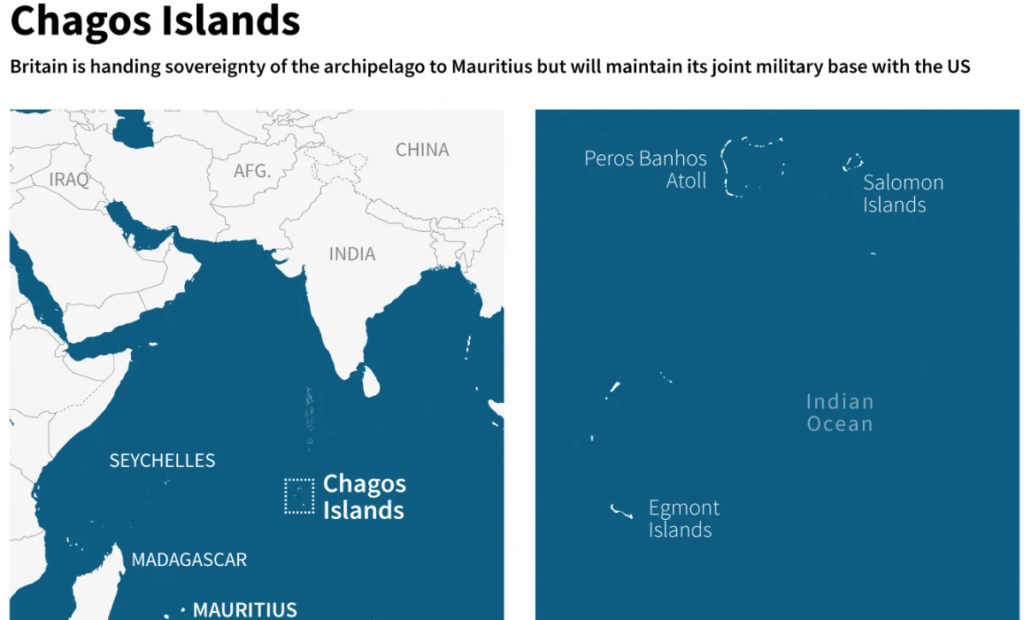
The U.K. has given the U.S. permission to use its bases at RAF Fairford in England and at Diego Garcia in the Chagos Islands for “specific and limited defensive operations.”
British Prime Minister Keir Starmer’s office confirmed ministers had approved U.S. use of British bases to defend the region, including operations targeting missile capabilities used to attack ships in the Strait of Hormuz.
Reuters quoted Iran’s representative to the U.N.’s International Maritime Organization, Ali Mousavi, as saying the Strait remains open to most shipping, except vessels linked to “Iran’s enemies.”
Trump Threatens Massive Retaliation Against Iran
Warning to “Obliterate” Power Plants
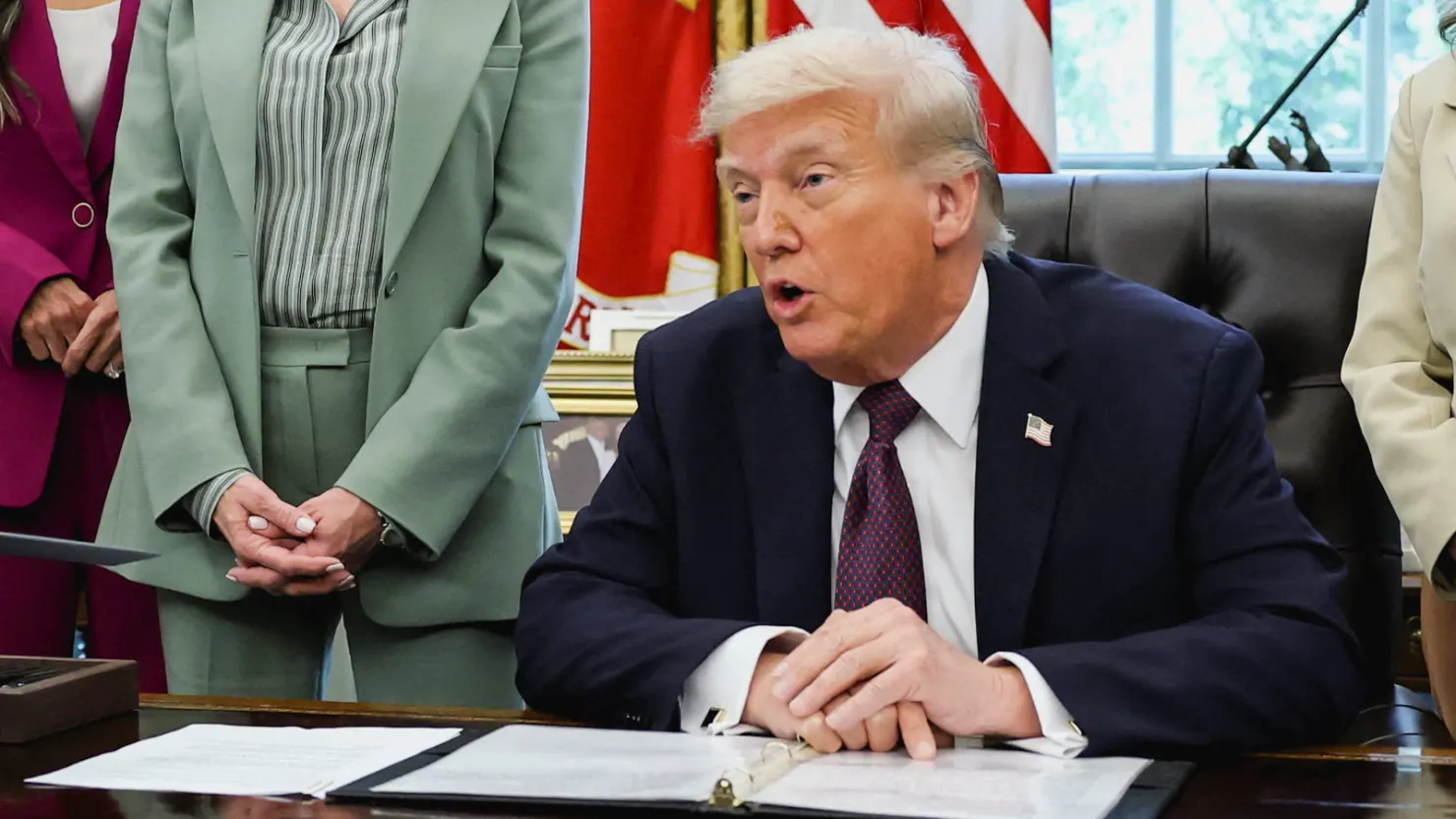
U.S. President Donald Trump late Saturday threatened to “obliterate” Iran’s power plants if Tehran does not fully reopen the Strait of Hormuz within 48 hours.
“If Iran doesn’t FULLY OPEN, WITHOUT THREAT, the Strait of Hormuz… the United States of America will hit and obliterate their various POWER PLANTS,” Trump said in a Truth Social post.
The warning marked a sharp escalation after earlier comments suggesting the war could soon wind down.
“We could have dialogue, but I don’t want to do a ceasefire,” Trump said. “You don’t do a ceasefire when you’re literally obliterating the other side.”
Iran Threatens Regional Energy Infrastructure
Iranian Parliament Speaker Mohammad Bagher Ghalibaf responded by warning that any attack on Iran’s infrastructure would trigger retaliation across the region.
“Energy infrastructure and oil facilities throughout the region will be considered legitimate targets,” he said.
Israeli Defense Minister Israel Katz also warned that Israeli strikes against Iran would “increase significantly” in the coming week.
Missile Strikes Hit Israel as War Expands
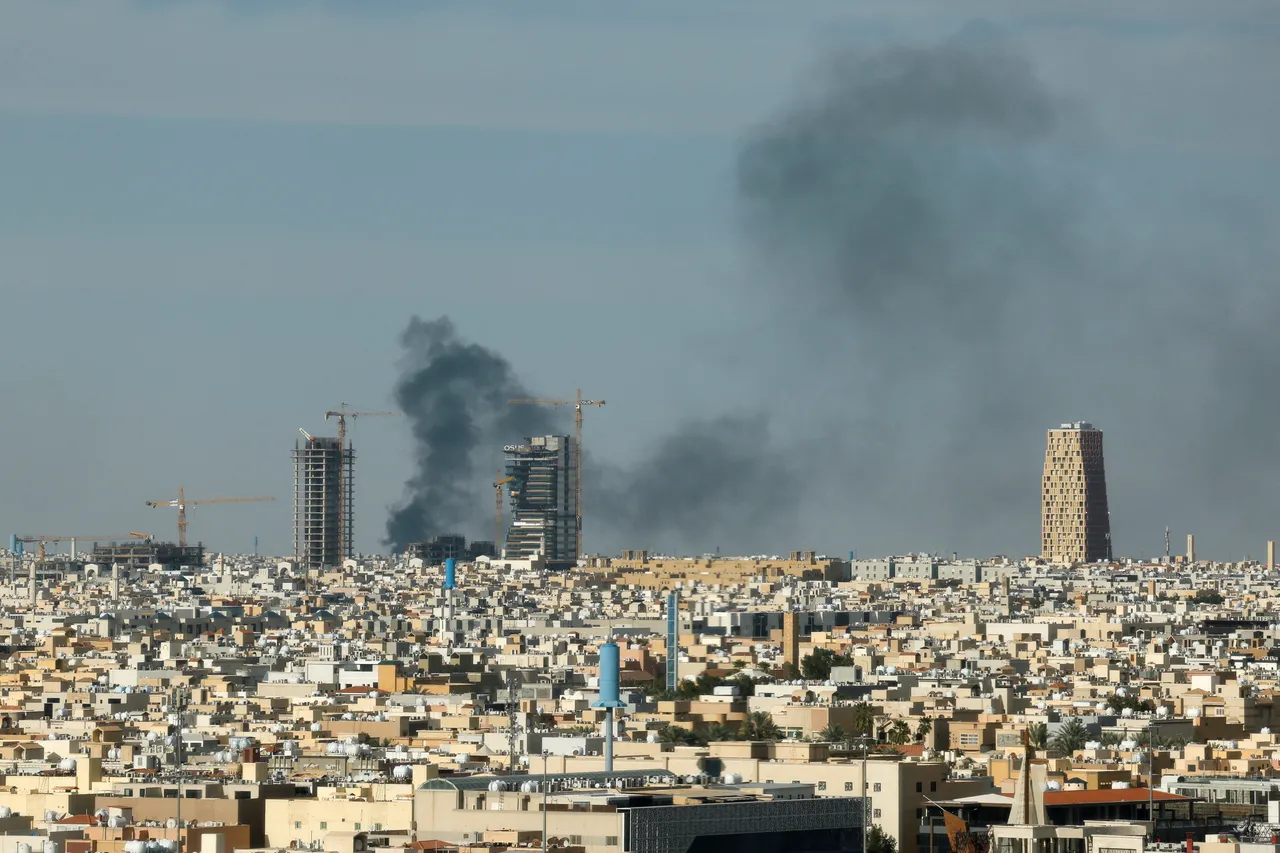
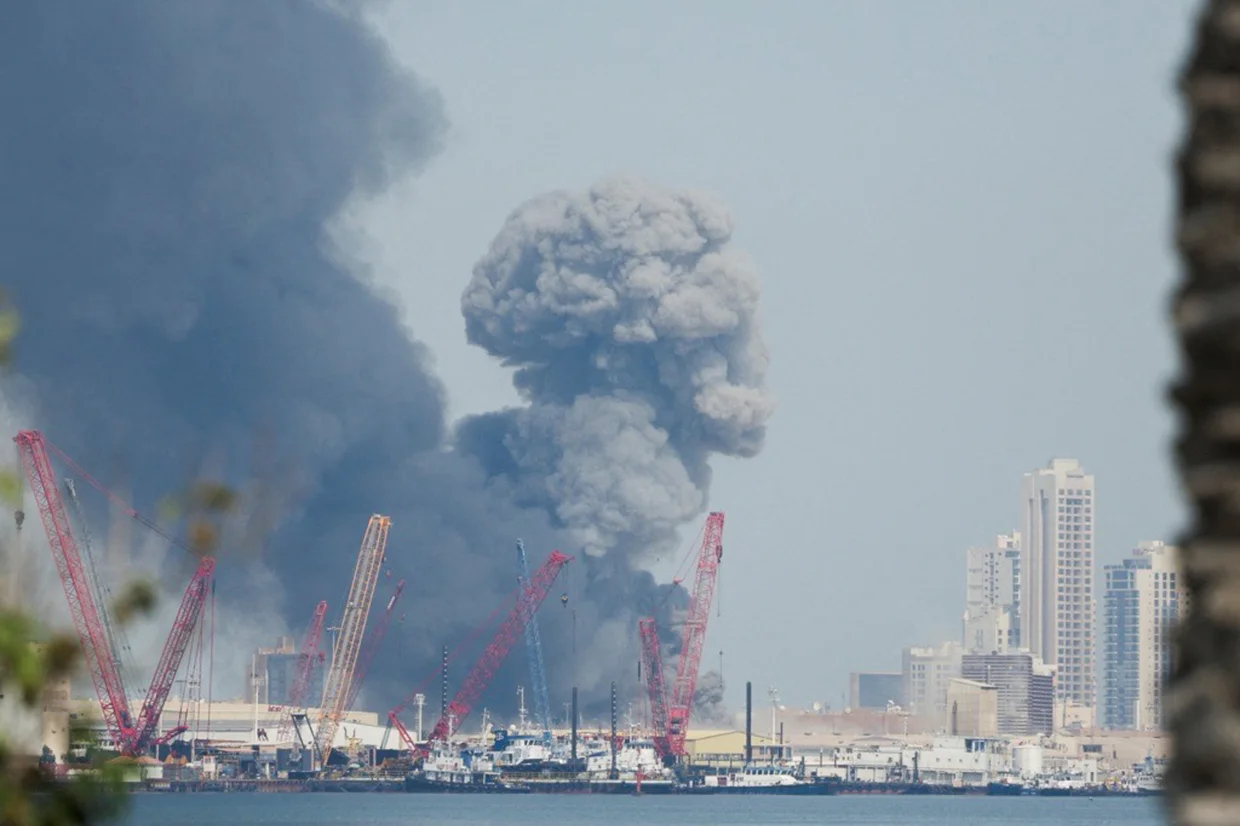
Dozens of people were injured after Iran struck two communities near Israel’s main nuclear research site.
Missiles hit the southern cities of Dimona and Arad, with Israel’s defenses unable to intercept all incoming projectiles.
Emergency responders reported:
- Four people seriously injured, including a child
- Dozens of additional injuries
- Significant damage to buildings and vehicles
Authorities are still searching for missing individuals.
This marked the first time Israel’s nuclear research area has been directly targeted during the conflict.
Strait of Hormuz Crisis Drives Global Oil Shock
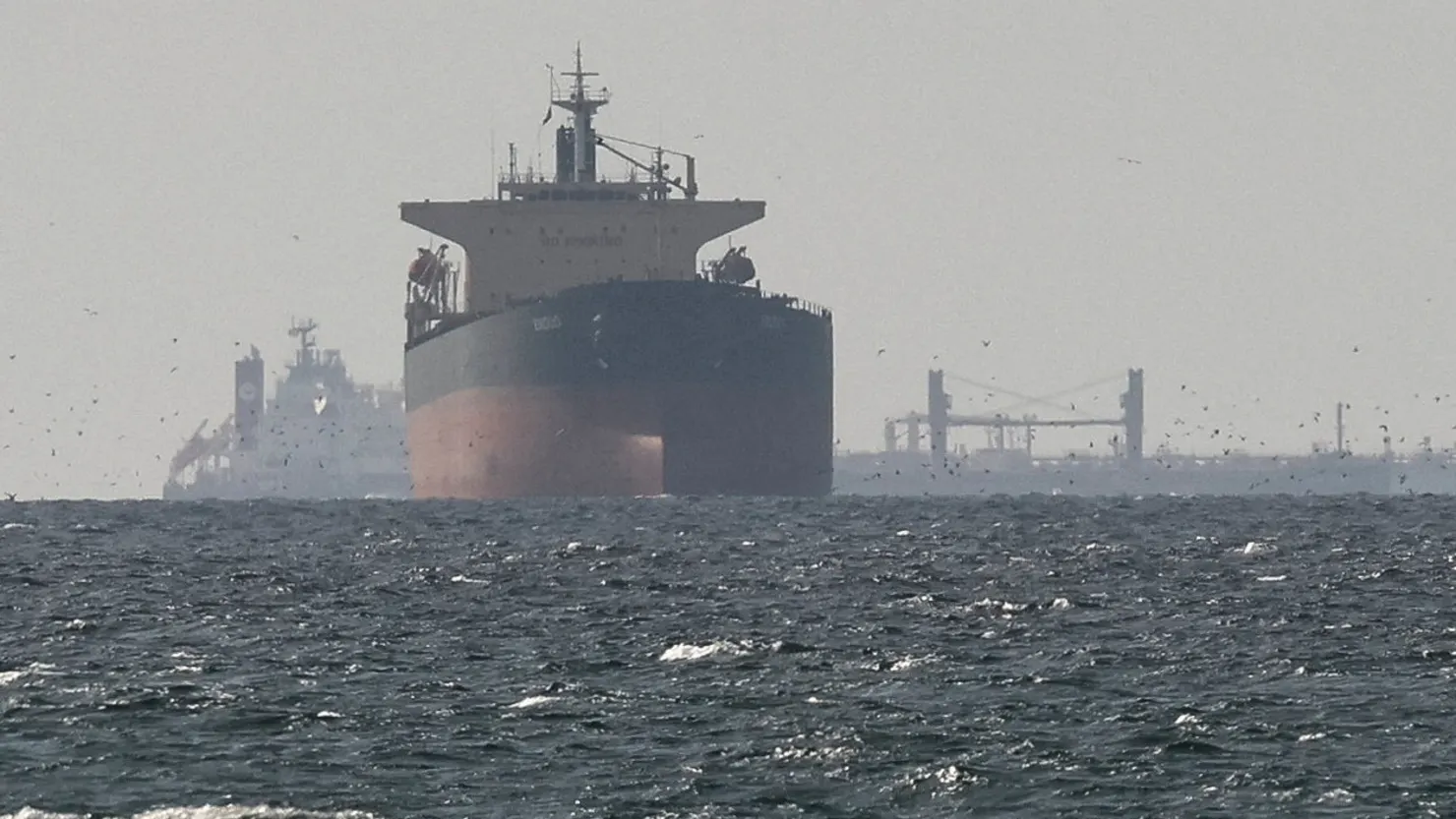
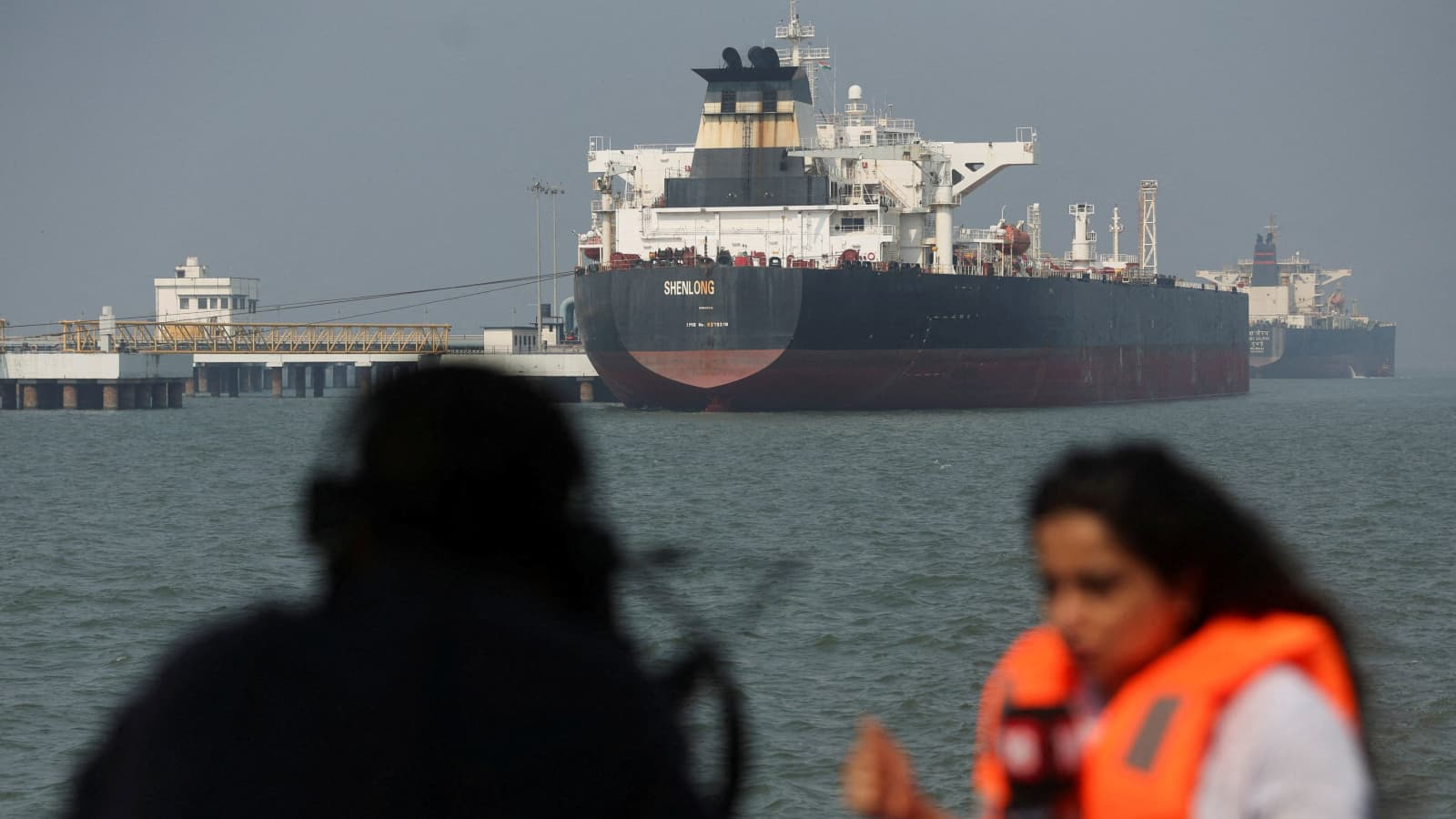
The war has effectively choked off the Strait of Hormuz, a critical global shipping route through which about 20% of the world’s oil supply passes.
Shipping traffic has dropped dramatically, with daily transit calls falling from over 120 earlier this year to near zero.
Oil Prices Surge Amid Supply Disruptions
- Brent crude rose to $112.19 per barrel
- U.S. West Texas Intermediate reached $98.32
- Global energy markets remain highly volatile
To ease pressure, the Trump administration temporarily waived sanctions on Iranian oil sales at sea for 30 days, aiming to boost supply.
The Group of Seven nations also pledged to support global energy markets and safeguard maritime routes.
Want to earn some extra money on the side? Buy PCPi Coin or Subscribe to VIP and get dividens monthly.
____
Associated Press, CNBC News, Fox News, and preCharge News contributed to this report.