
 Eduardo Sifuentes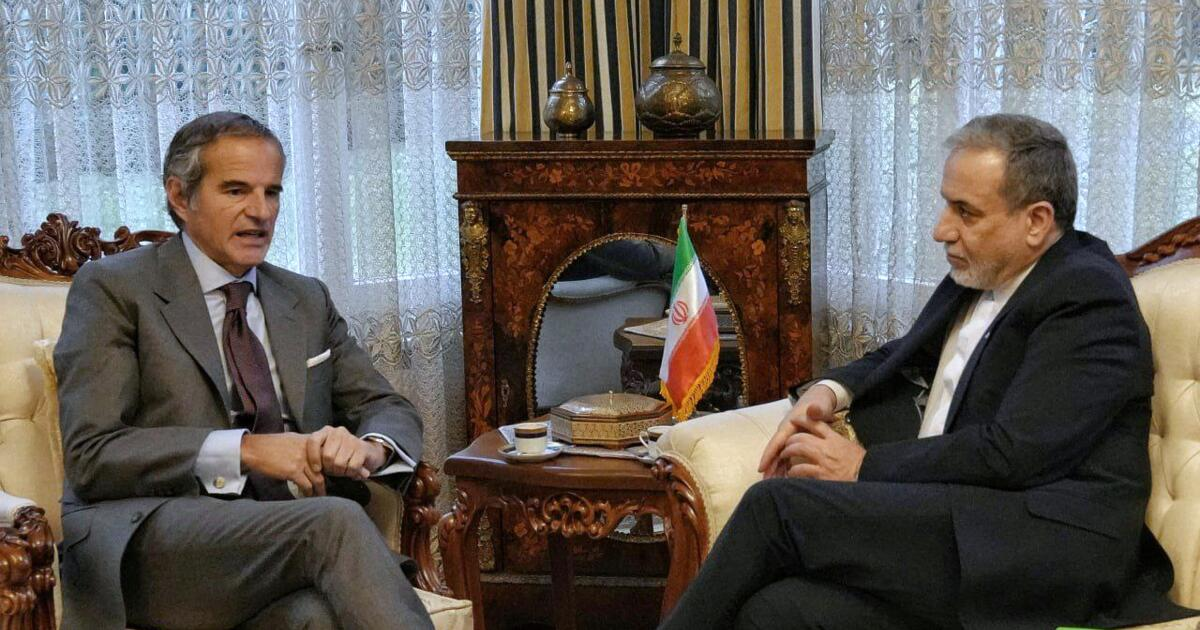

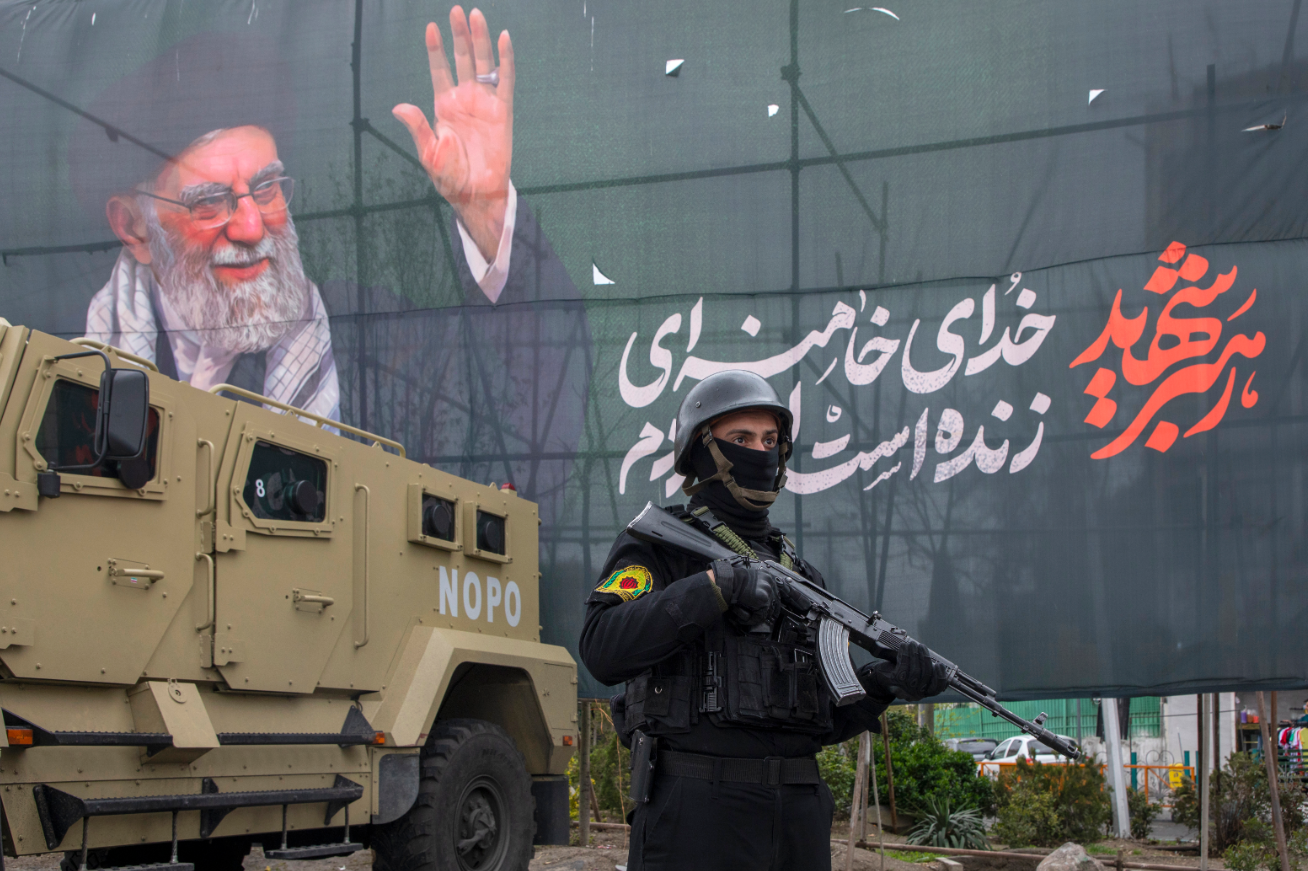
preCharge News POLITICS — Iran partially closed the Strait of Hormuz on Tuesday, citing security precautions as the country’s Revolutionary Guard carried out military drills in the vital waterway, according to Iranian state media.
The move comes as the United States and Iran hold talks in Geneva, aimed at resolving a long-running dispute over Tehran’s nuclear program.
First Partial Closure Since Trump’s January Warning
Heightened Tensions in a Critical Waterway
The temporary closure marks the first time Iran has restricted parts of the Strait of Hormuz since U.S. President Donald Trump threatened Tehran with military action earlier this year.
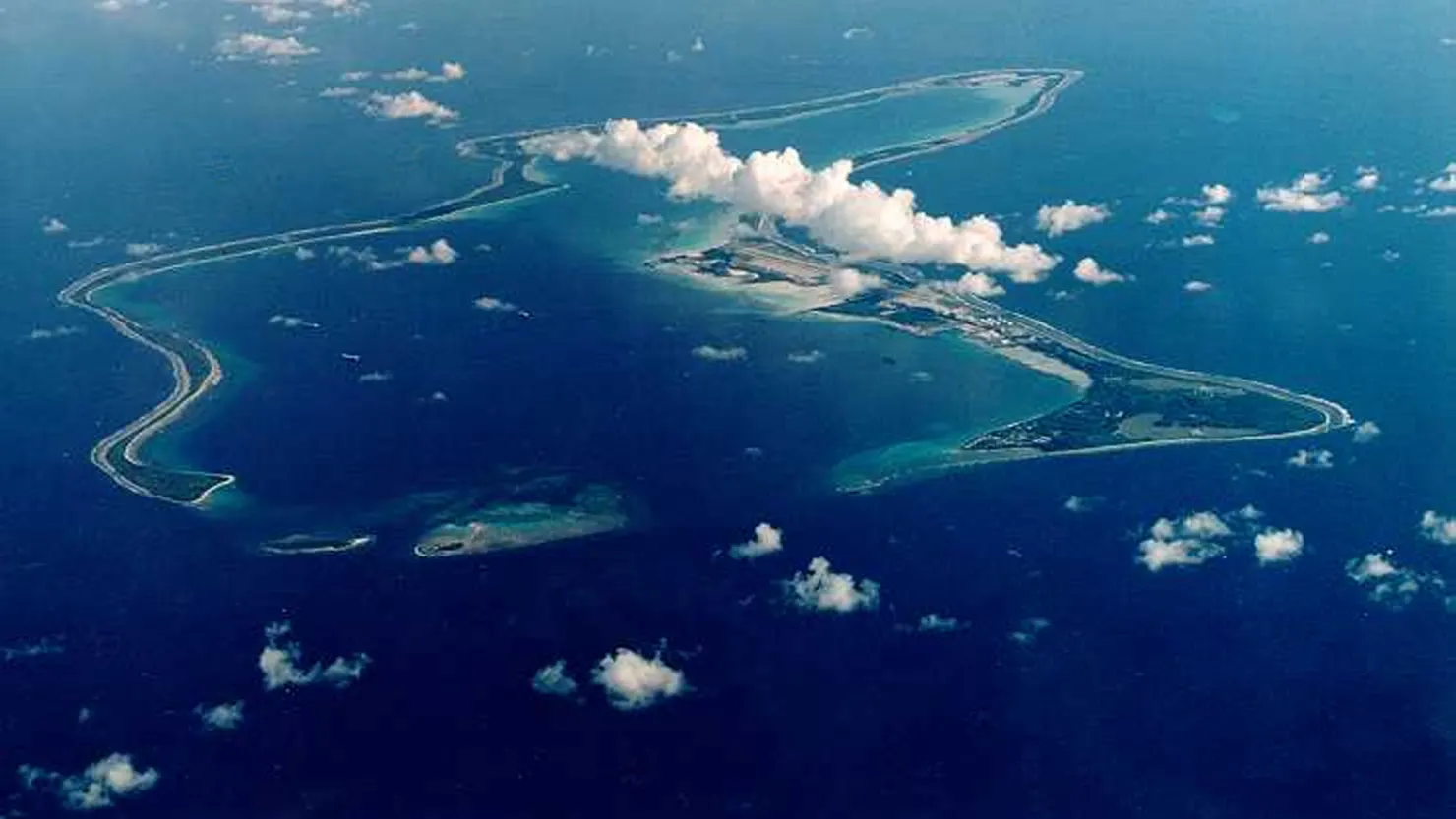
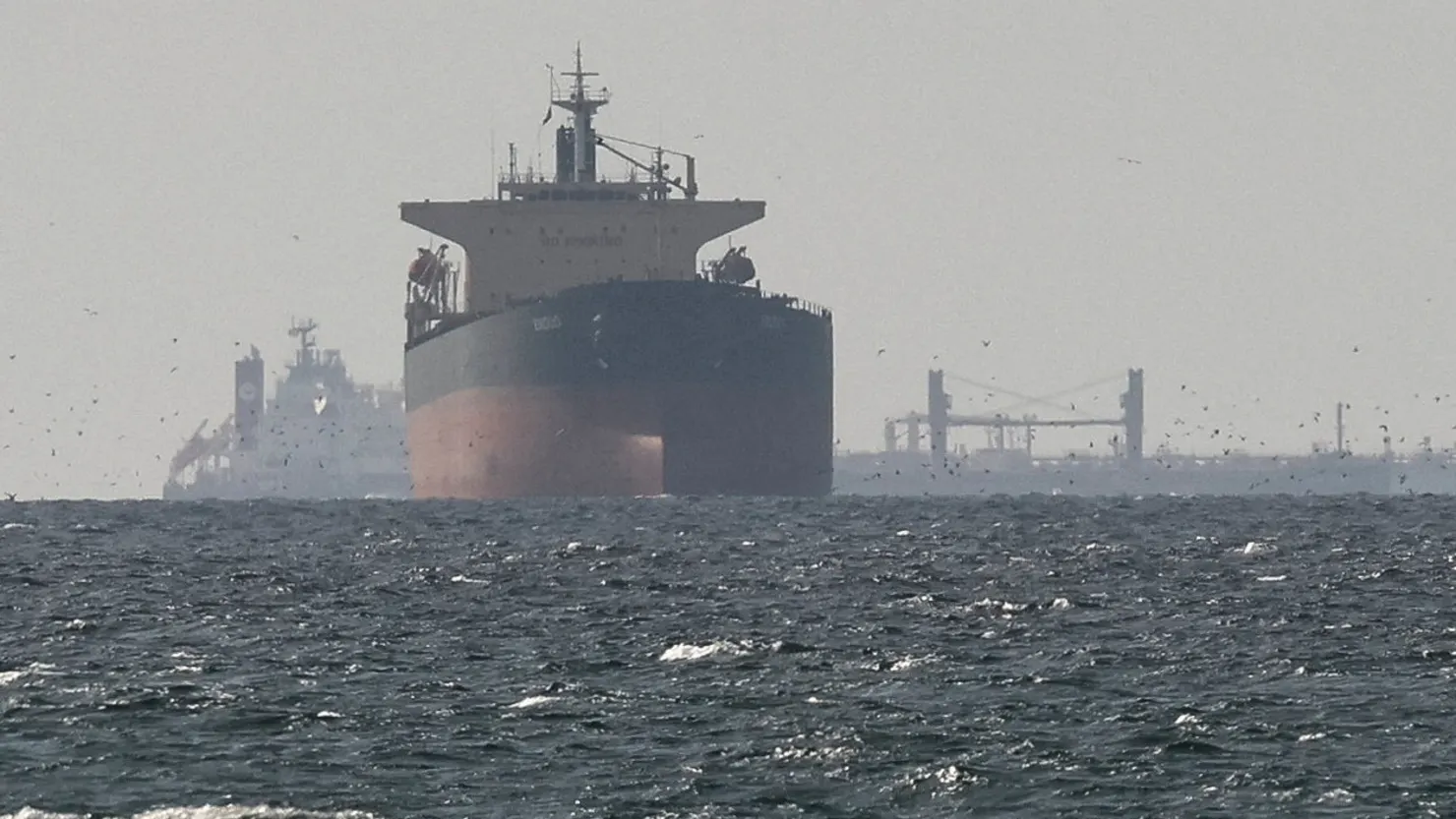
Situated between Oman and Iran, the strait is widely regarded as one of the world’s most important oil chokepoints, serving as a critical conduit between Middle Eastern crude producers and global markets.
Why the Strait of Hormuz Matters
A Key Artery for Global Oil Supply
Roughly 13 million barrels per day of crude oil transited the Strait of Hormuz in 2025, accounting for about 31% of global seaborne crude flows, according to data from market intelligence firm Kpler.
Any disruption — even temporary — draws close scrutiny from energy markets and governments due to the strait’s outsized role in global supply chains.
Iranian Military Drill Behind the Closure
‘Smart Control of the Strait of Hormuz’ Exercise
Iran said Tuesday’s partial closure was implemented to ensure shipping safety during a Revolutionary Guard exercise known as “Smart Control of the Strait of Hormuz.”
The drill is designed to improve Iran’s operational readiness and enhance its deterrence posture, according to state media.
Diplomatic Track Continues in Geneva
Nuclear Talks Show Limited Progress
Despite the military activity, diplomatic efforts continued.
Iranian Foreign Minister Abbas Araghchi said Tehran and Washington reached an understanding on the “guiding principles” of the negotiations, according to Reuters.
However, he cautioned that significant work remains and that progress does not signal an imminent agreement.
Oil Prices Ease Despite Tensions
Markets Shrug Off Temporary Disruption
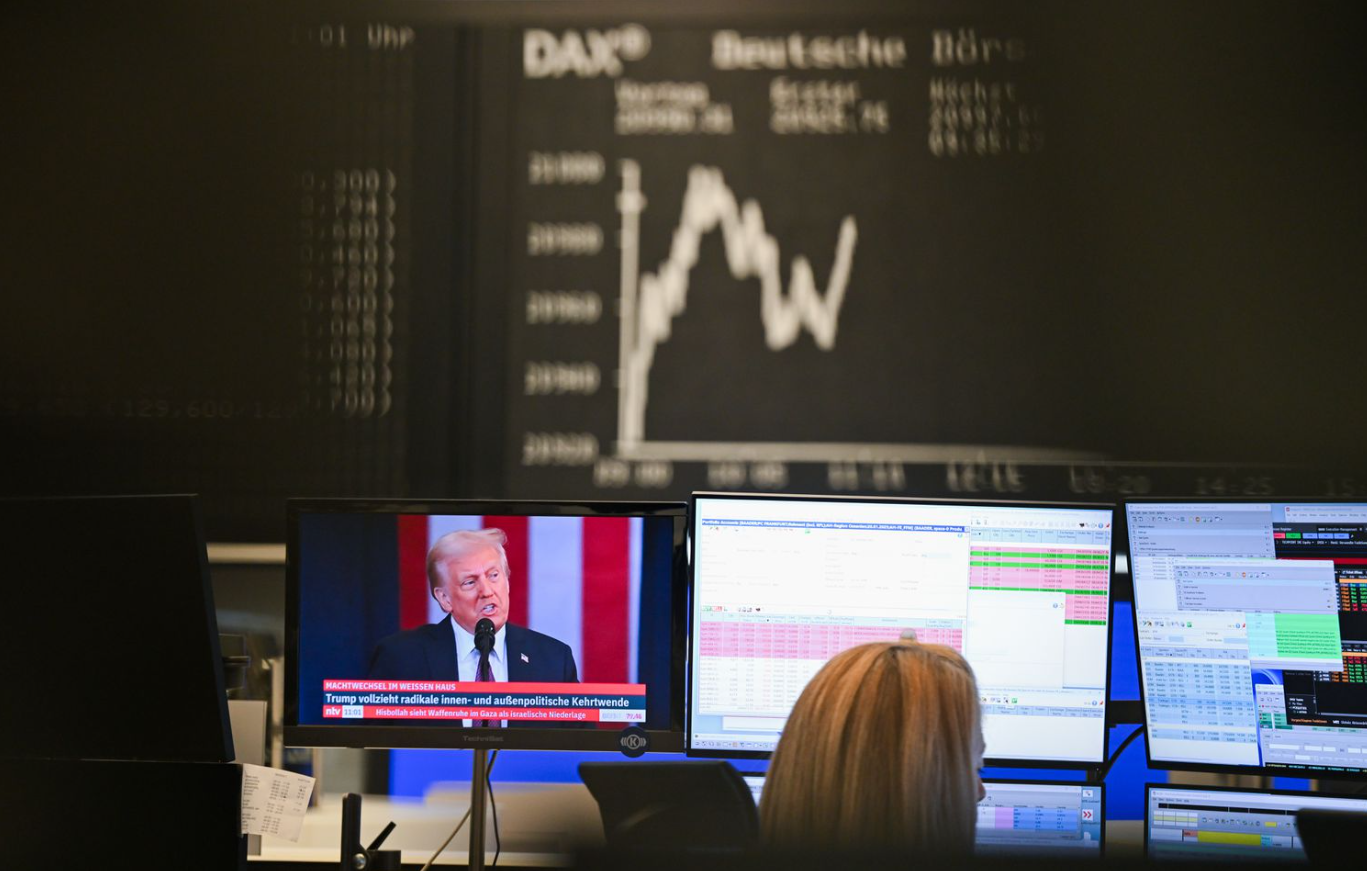
Oil prices fell, erasing earlier gains, as traders assessed the limited impact of the closure.
- Brent crude futures for April delivery dropped 1.8% to $67.48 a barrel
- West Texas Intermediate futures for March delivery were 0.4% lower at $62.65
Energy markets had been closely watching the outcome of U.S.-Iran talks amid rising military activity in the region.
Shipping Industry Sees Limited Impact
Delays Expected, Not Major Disruptions
Jakob Larsen, chief safety and security officer at BIMCO, said the partial closure would likely cause only minor delays.
“The exercise establishes a live firing area overlapping the inbound part of the Strait of Hormuz’s traffic separation scheme, and requests that shipping keeps clear for a few hours,” Larsen said.
Compliance Expected Amid Regional Tensions
Given the heightened tensions, Larsen added, commercial vessels are expected to comply with Iran’s request to avoid the exercise zone, limiting broader disruption.
A Delicate Balance Between Diplomacy and Deterrence
Signals to Markets and Negotiators Alike
Iran’s move underscores the fragile balance between diplomacy and military signaling, as talks continue even while Tehran demonstrates its ability to exert control over one of the world’s most critical energy corridors.
For now, markets appear to view the closure as a contained security measure, not a sustained disruption — but the situation remains closely watched.
Want to earn some extra money on the side? Buy PCPi Coin or Subscribe to VIP and get dividens monthly.
____
Associated Press, CNBC News, Fox News, and preCharge News contributed to this report.