
 Eduardo Sifuentes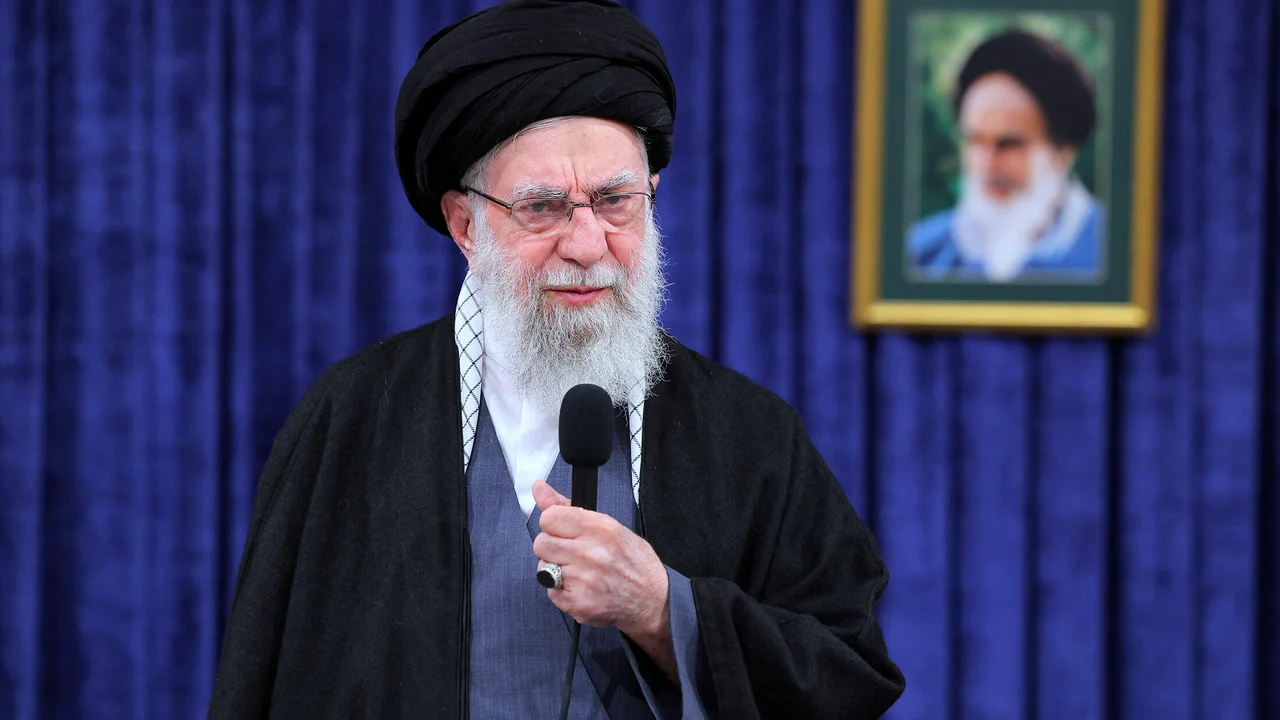

preCharge News POLITICS — Iranian Supreme Leader Ayatollah Ali Khamenei was killed Saturday following what President Donald Trump described as a massive U.S. and Israeli military operation, according to multiple Israeli officials and a senior U.S. intelligence source who confirmed the news to preCharge News.
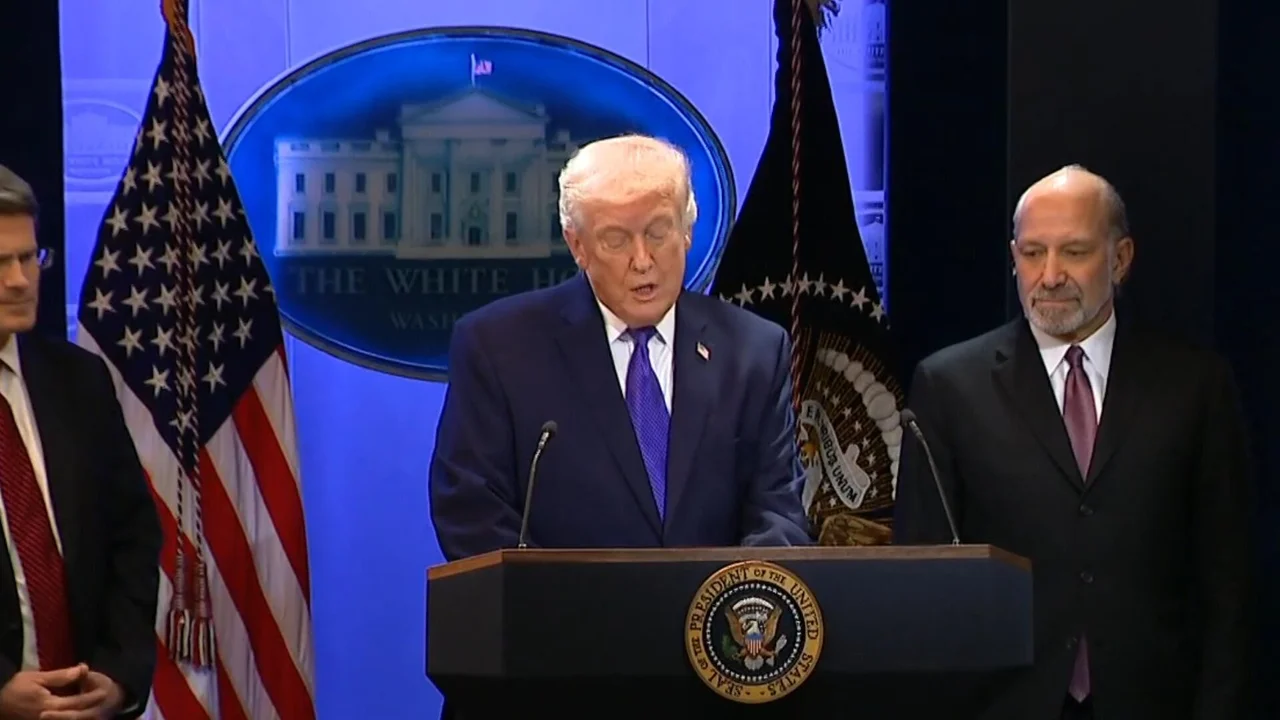
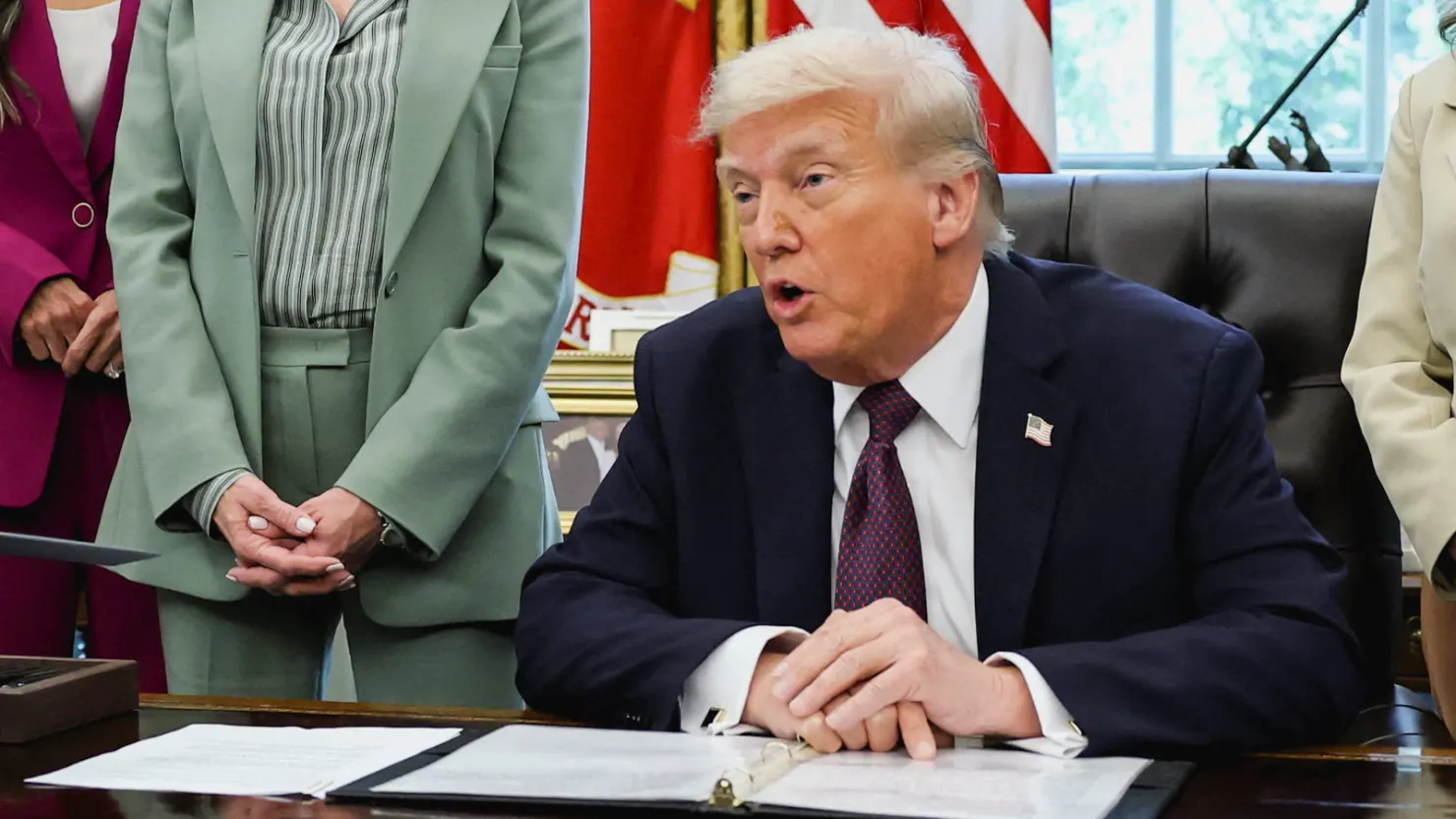
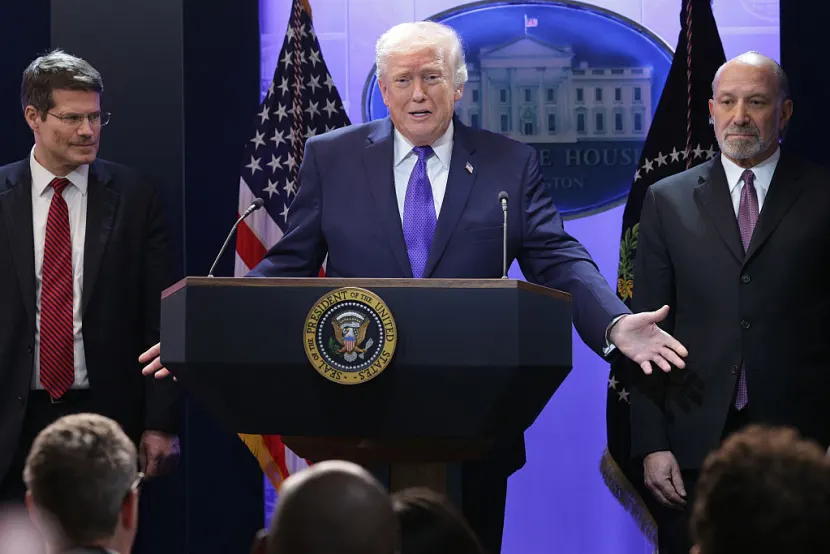
“Khamenei, one of the most evil people in History, is dead,” Trump wrote in a post on social media.
Trump Vows Continued Military Pressure
‘Heavy and Pinpoint Bombing Will Continue’
Trump said the U.S. government is receiving intelligence indicating that elements of Iran’s security forces are seeking immunity.
“We are hearing that many of their IRGC, Military, and other Security and Police Forces, no longer want to fight,” he wrote.
Trump added that “heavy and pinpoint bombing” would continue “as long as necessary to achieve our objective of PEACE THROUGHOUT THE MIDDLE EAST AND, INDEED, THE WORLD!”
Iranian and Israeli Officials Confirm Death
State Media and Israeli Sources Corroborate
Iranian state media later confirmed Khamenei’s death. The state-run IRNA did not specify the cause, while Tasnim — a semi-official outlet affiliated with the Islamic Revolutionary Guard Corps — reported he died during the attack.
An Israeli broadcaster said Prime Minister Benjamin Netanyahu was shown a photograph of Khamenei’s body.
The Israel Defense Forces said seven senior Iranian officials were killed, including Ali Shamkhani, a key adviser to Khamenei.
A Supreme Leader With Absolute Power
Iran’s Dominant Political and Religious Figure Since 1989
Khamenei, 86, had served as Iran’s supreme leader since 1989, succeeding Ayatollah Ruhollah Khomeini. He controlled Iran’s executive, legislative, judicial, and military institutions and was regarded as the country’s highest religious authority.
Despite facing powerful internal factions, Khamenei maintained loyalty across Iran’s political system for more than three decades, relying heavily on the IRGC to enforce the Islamic Republic’s rule.
“There’s corruption across the whole system,” said Sanam Vakil of Chatham House, describing Khamenei as a pragmatist who understood power dynamics and loyalty.
From Revolutionary Cleric to Authoritarian Ruler
Architect of Iran’s Security State
Born in Mashhad, Khamenei rose through Iran’s clerical ranks, served as president from 1981 to 1989, and was elevated to supreme leader by Iran’s Guardian Council following Khomeini’s death.
Lacking his predecessor’s religious stature, Khamenei consolidated power by cultivating elite networks within the IRGC. In Reading Khamenei, Karim Sadjadpour of the Carnegie Endowment for International Peace wrote that Khamenei personally shaped the Guard into Iran’s most powerful political and economic institution.
Nuclear Ambiguity and Western Confrontation
Fatwas, Uranium, and Strategic Ambivalence
In 2003, Khamenei issued a fatwa banning weapons of mass destruction, yet tacitly supported Iran’s nuclear expansion. A May 2025 U.S. intelligence assessment said Iran was not actively building a bomb but was positioned to do so quickly.
Netanyahu repeatedly warned Iran was months to a year from nuclear capability.
Trump, who withdrew the U.S. from the 2015 nuclear deal during his first term, unsuccessfully sought a new agreement limiting Iran’s enrichment program — a demand Khamenei rejected outright.
Hostility Toward the United States
Decades of Mutual Distrust
Khamenei blamed the U.S. for the 1953 CIA-backed coup and supported the 1979 hostage-taking of American diplomats. Over time, he labeled the U.S. “the number one enemy of our nation.”
When Trump exited the nuclear deal in 2018, Khamenei cited it as proof Washington could not be trusted — even as mass protests erupted inside Iran against clerical rule.
Declining Legitimacy at Home
Protests, Crackdowns, and Economic Decline
Under Khamenei, Iran’s economy deteriorated and public loyalty to the revolution waned. Protesters openly chanted “Death to the supreme leader,” once an unthinkable act.
Rather than reform, Khamenei authorized violent crackdowns, blaming unrest on the U.S. and Israel. Rumors about his health intensified after prostate surgery in 2014, but he remained in power until his death — presiding over a system increasingly out of step with Iranian society.
Uncertain Succession Ahead
A Power Vacuum in Tehran
With Khamenei dead, Iran faces its most significant leadership crisis since 1979. No successor has been named, and analysts warn of internal instability as rival factions within the regime vie for control.
The death of Iran’s longest-serving supreme leader marks a historic inflection point — not only for Iran, but for the balance of power across the Middle East.
Want to earn some extra money on the side? Buy PCPi Coin or Subscribe to VIP and get dividens monthly.
____
Associated Press, CNBC News, Fox News, and preCharge News contributed to this report.