
 Eduardo Sifuentes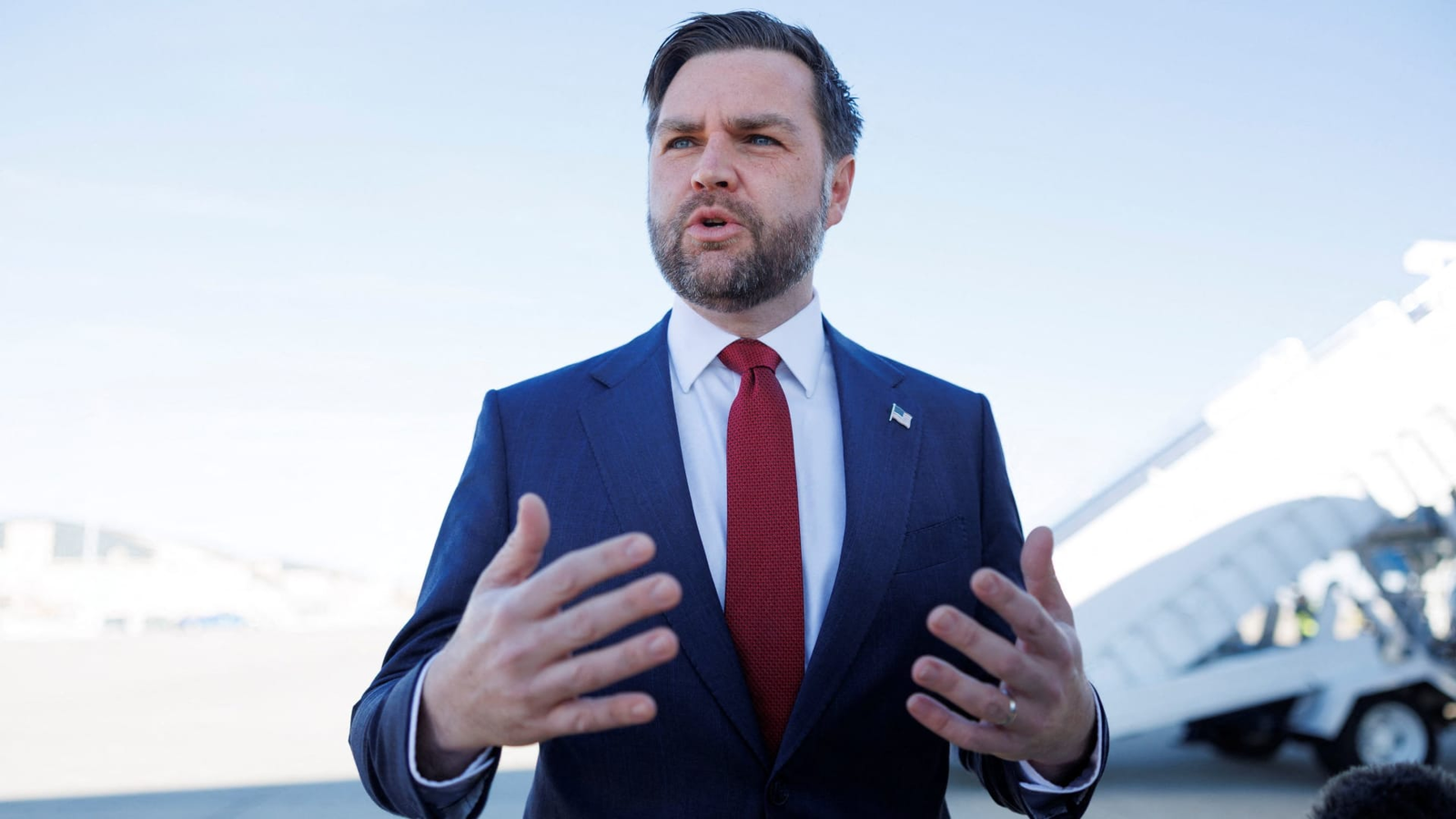

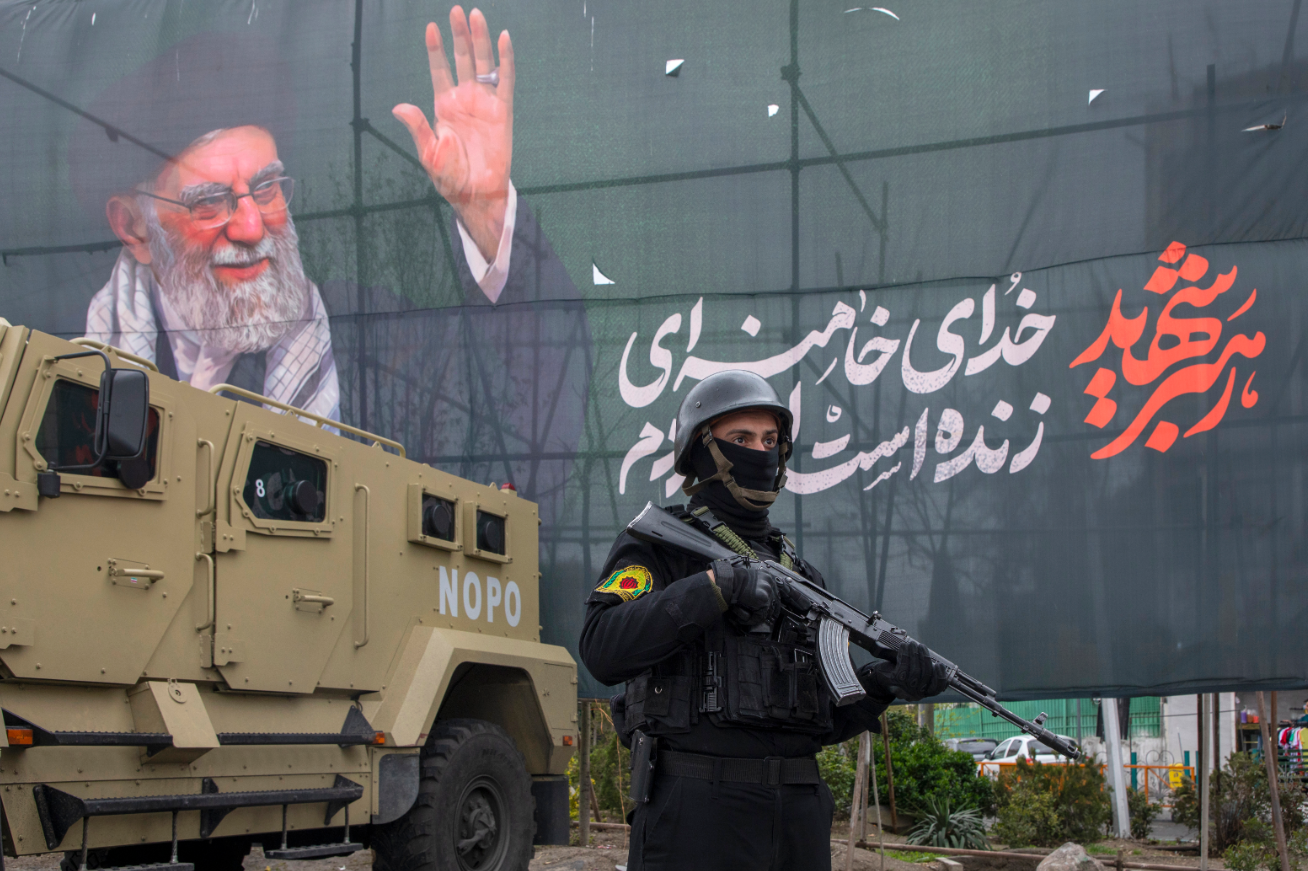
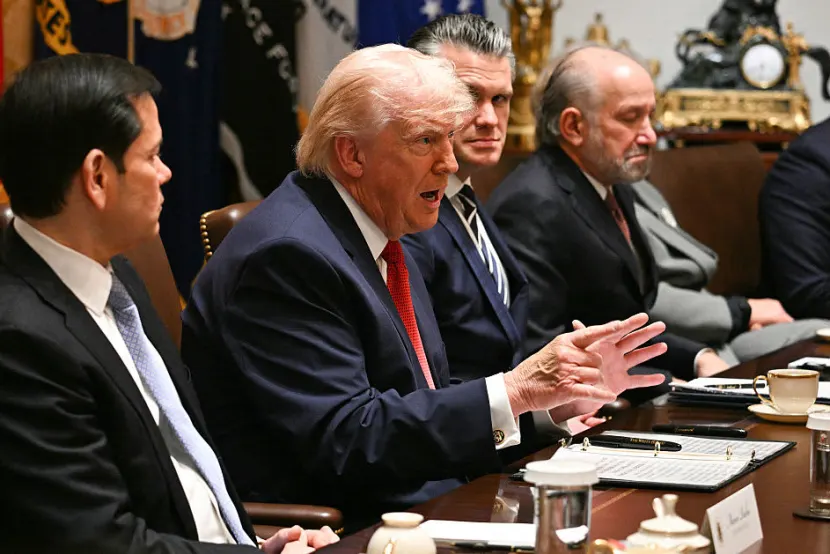
preCharge News POLITICS — Oil prices surged about 4% on Wednesday after U.S. Vice President J.D. Vance said that Iran did not address core U.S. red lines in indirect nuclear talks this week, and President Donald Trump reserved the right to use military force if diplomacy failed to stop Tehran’s nuclear program.
The rally reflected growing geopolitical risk in energy markets as investors weighed the implications of stalled negotiations and rising tensions in the Middle East.
Crude Benchmarks Rally Sharply in Midday Trading
U.S. and Brent Crude Gain on Escalating Tensions
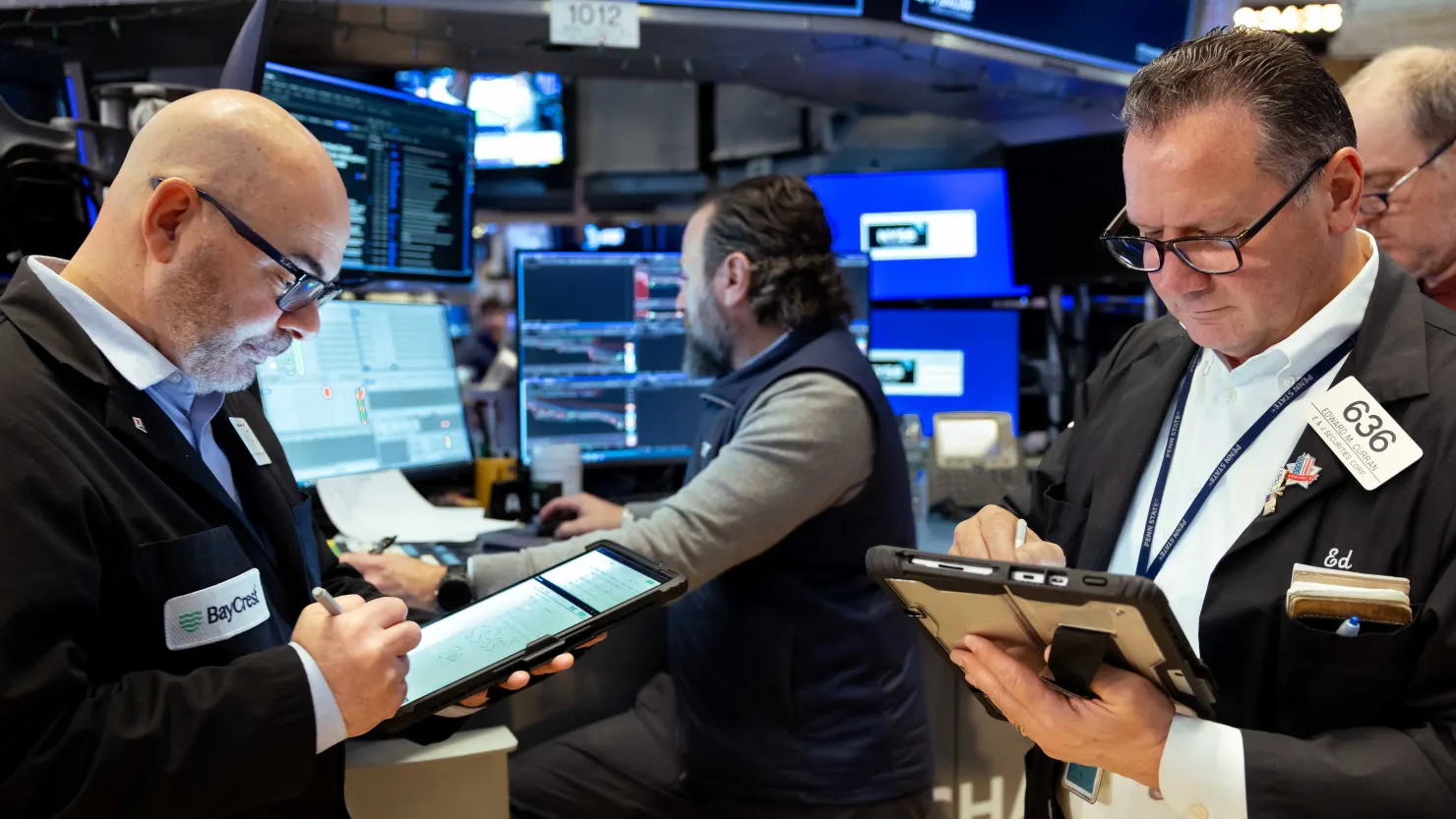
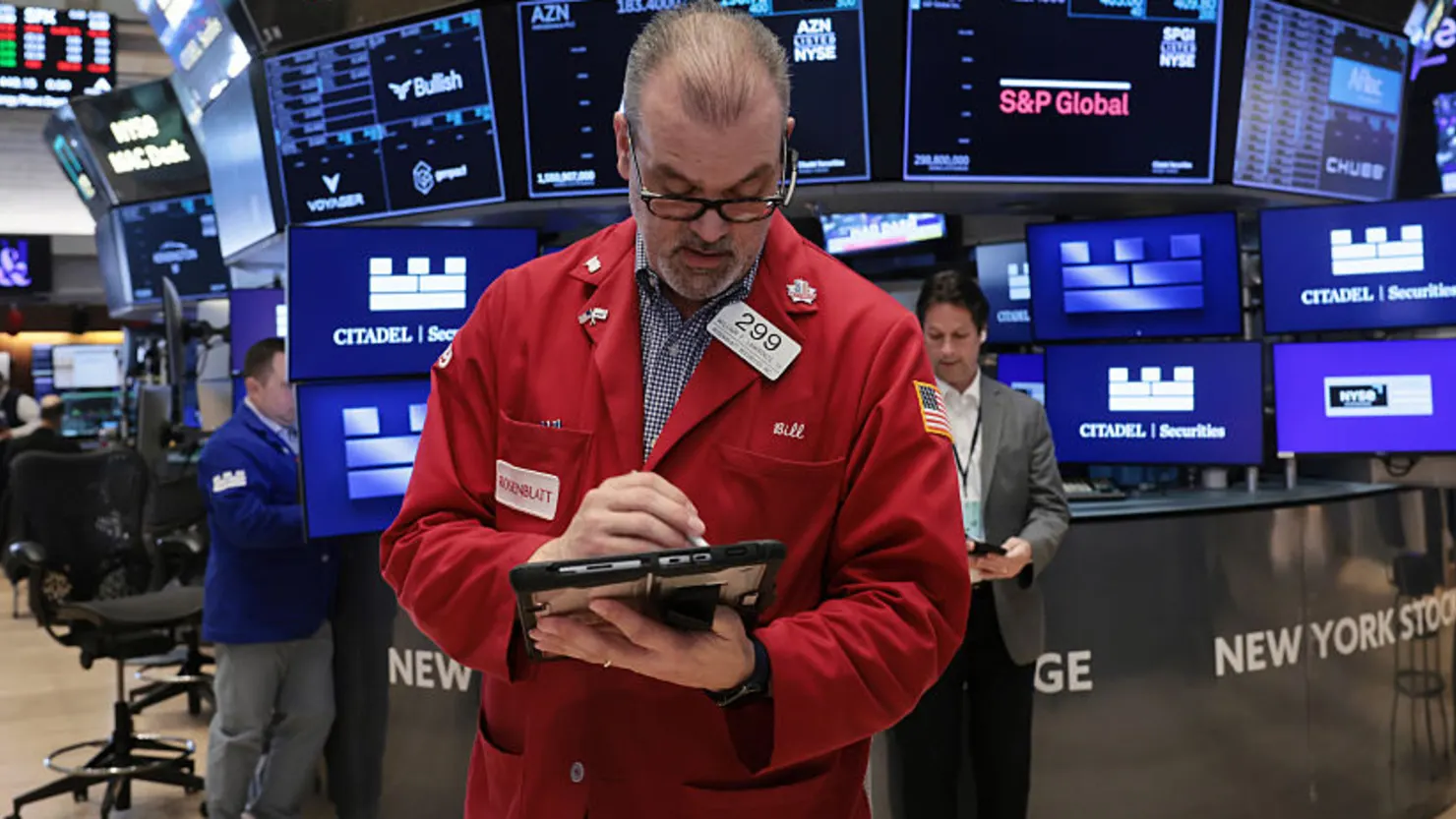
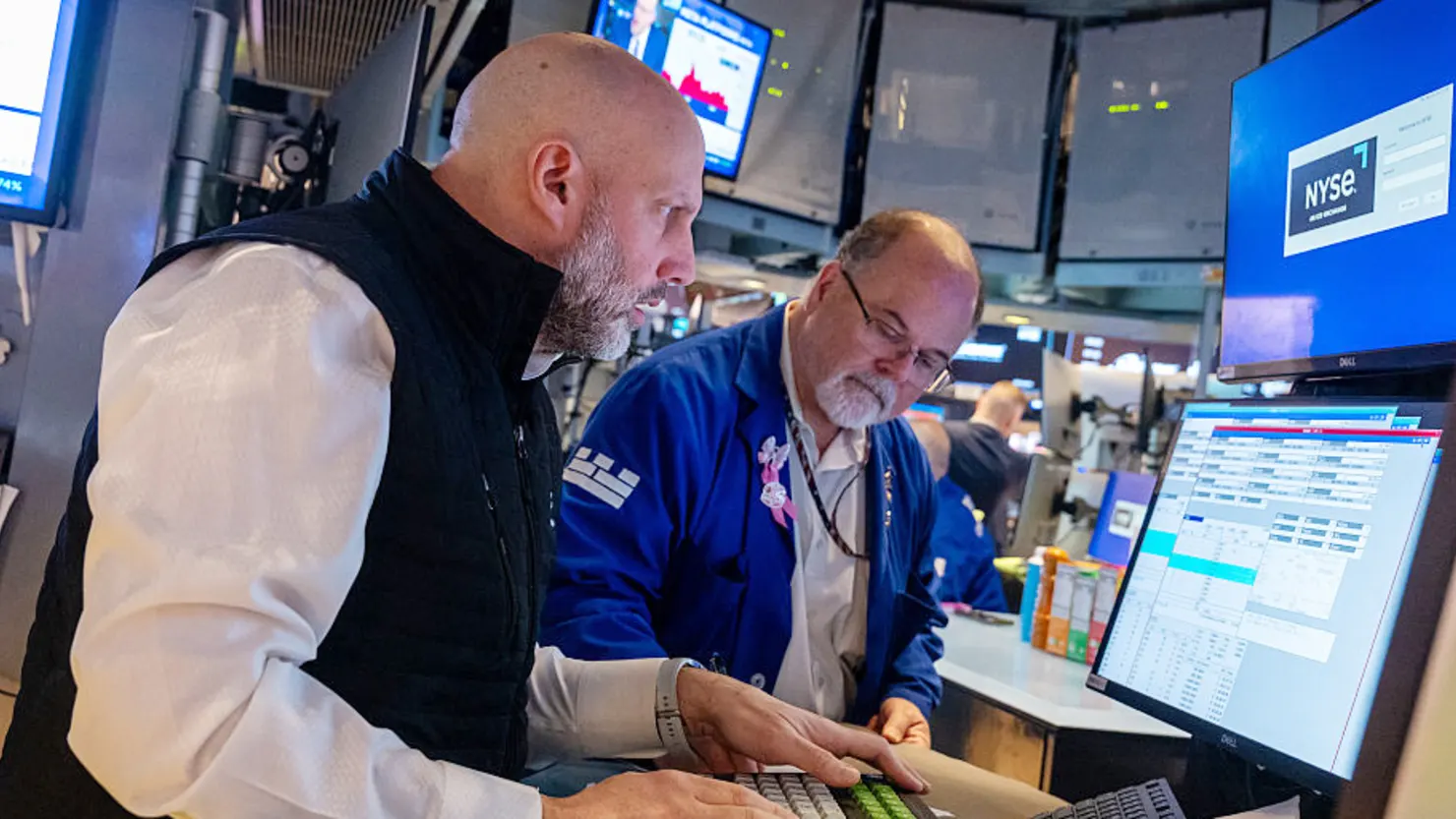
By 12:20 p.m. ET, U.S. crude oil was up $2.65, or 4.25%, at $64.98 per barrel, while global benchmark Brent rose $2.65, or 3.93%, to $70.07 per barrel.
The gains marked a significant swing from earlier sessions after traders digested comments linking the outcome of nuclear talks to broader geopolitical and military risks.
U.S.–Iran Talks Yield Mixed Signals
Diplomacy Continues, But Red Lines Remain Unresolved
U.S. envoys Steve Witkoff and Jared Kushner held nuclear negotiations with Iran in Geneva on Tuesday. Iranian foreign minister Abbas Araghchi described the discussions as “constructive” and said they yielded a general agreement on guiding principles, though analysts caution that agreement on principles does not guarantee a final deal.
Oil prices previously closed lower Tuesday as markets interpreted Araghchi’s tone as potentially signalling diplomatic progress, but sentiment shifted when Vance said Tehran failed to meet Washington’s core demands.
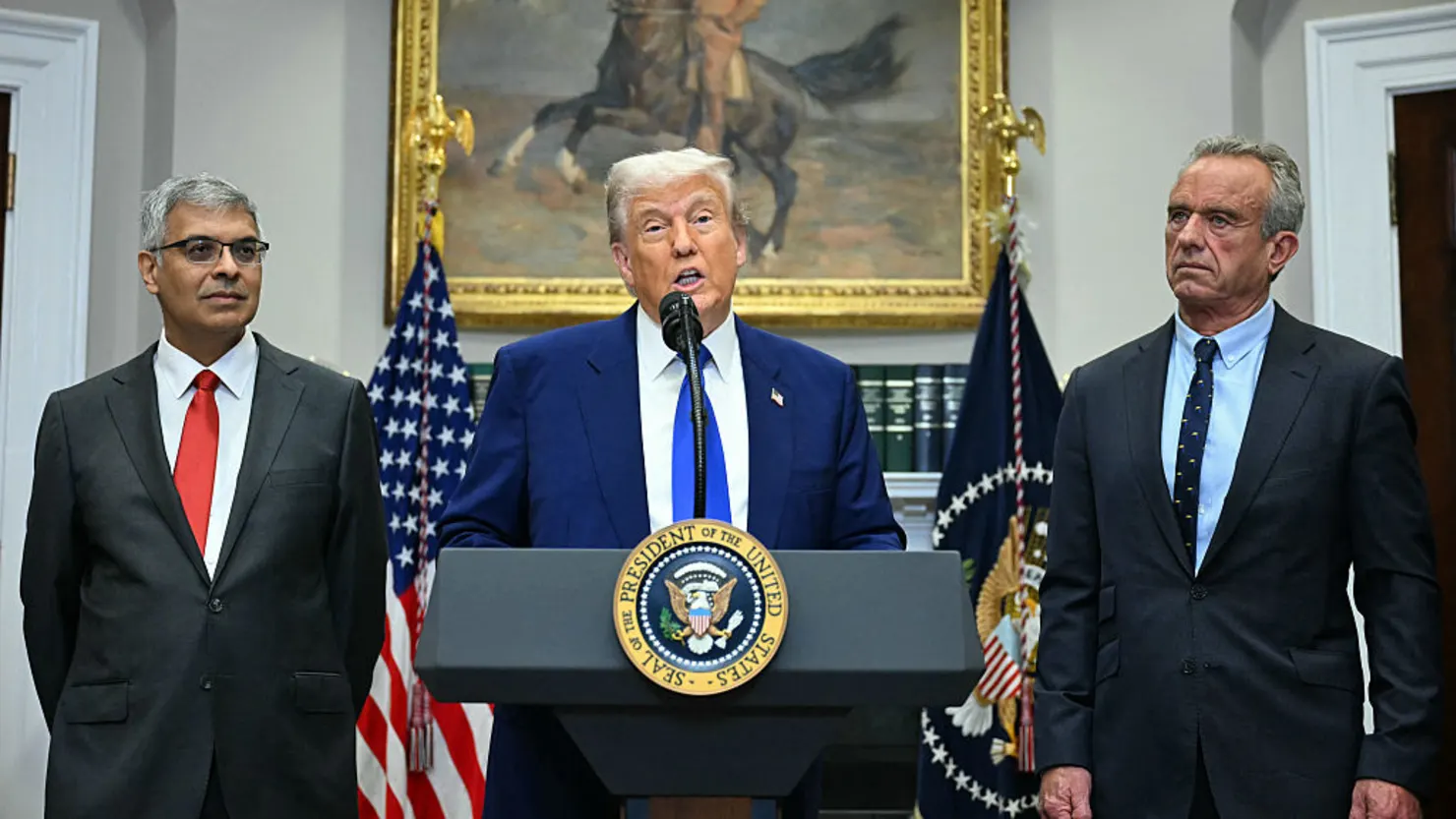
“In some ways it went well, they agreed to meet afterwards,” Vance told Fox News, but added that “the president has set some red lines that the Iranians are not yet willing to actually acknowledge and work through.”
Military Options and U.S. Force Reserved
Trump Administration Signals Force if Talks Fail
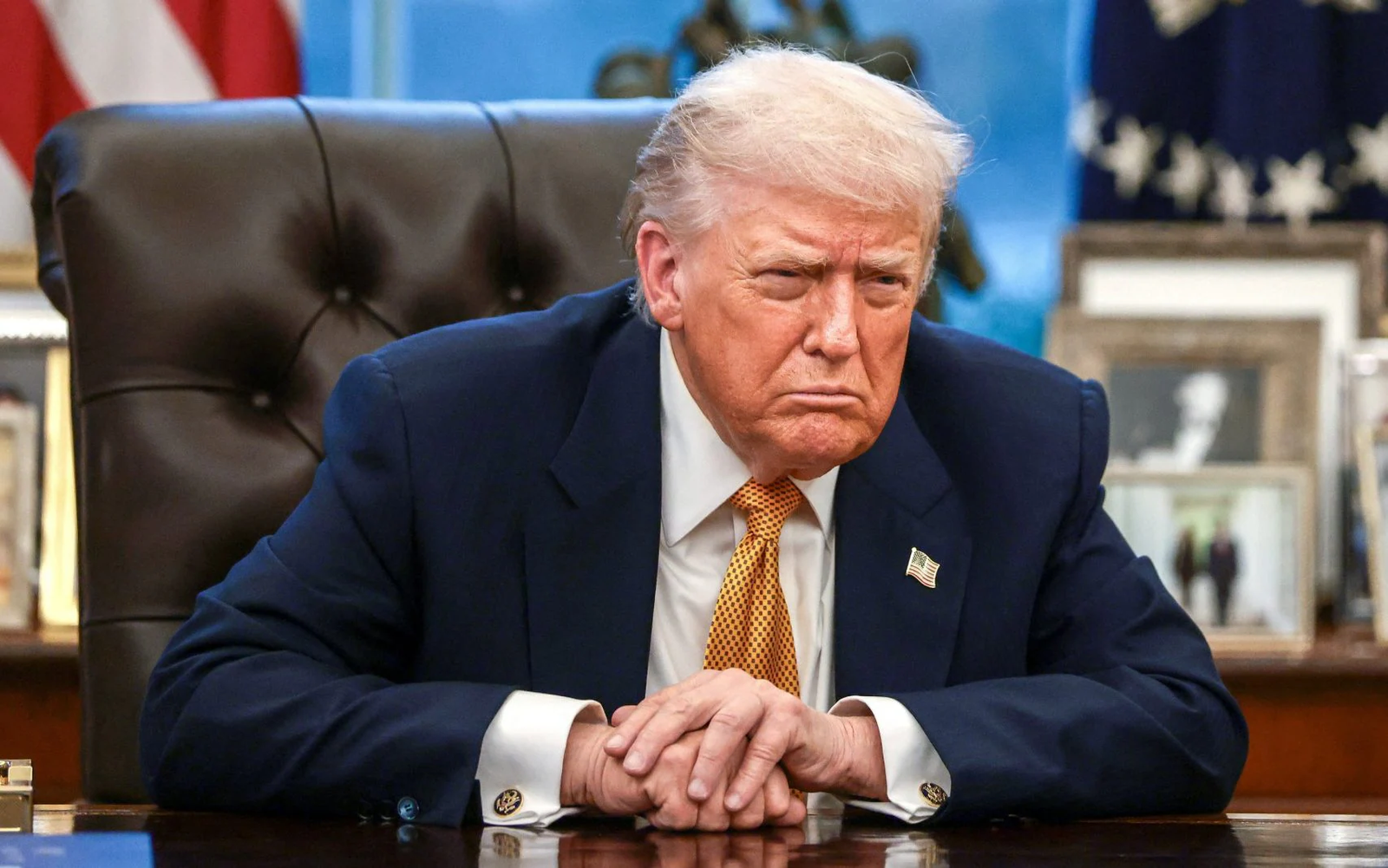
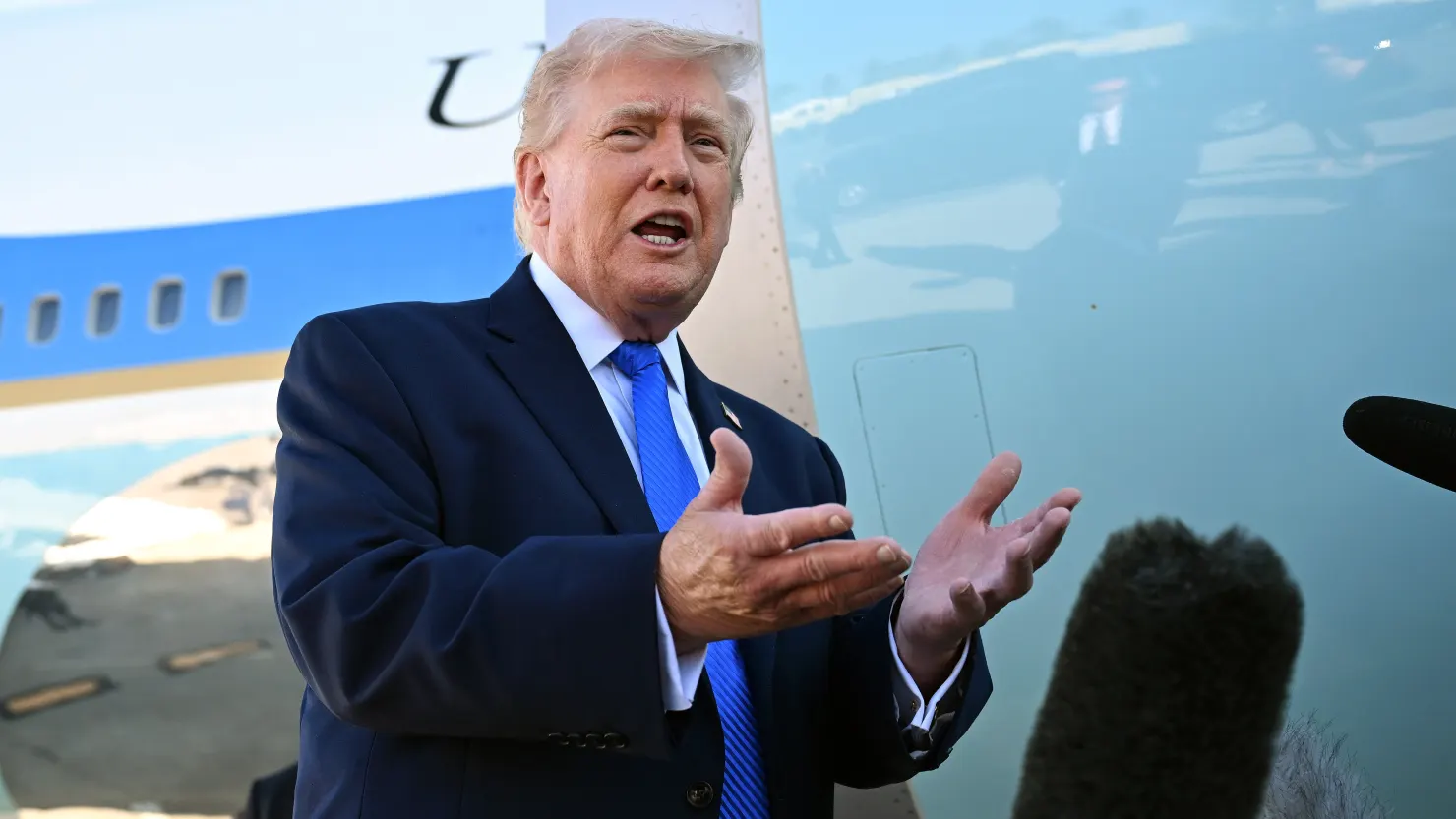
Vance emphasized that President Trump reserves the right to use military force if diplomacy does not succeed in halting Iran’s nuclear ambitions.
“We do have a very powerful military — the president has shown a willingness to use it,” Vance told Fox News.
Sources familiar with planning told Axios that a potential U.S. military campaign against Iran would likely be massive and prolonged, potentially resembling a broader conflict rather than a targeted raid.
Geopolitical Risks in the Middle East Support Prices
Tensions in the Strait of Hormuz Highlight Supply Vulnerabilities
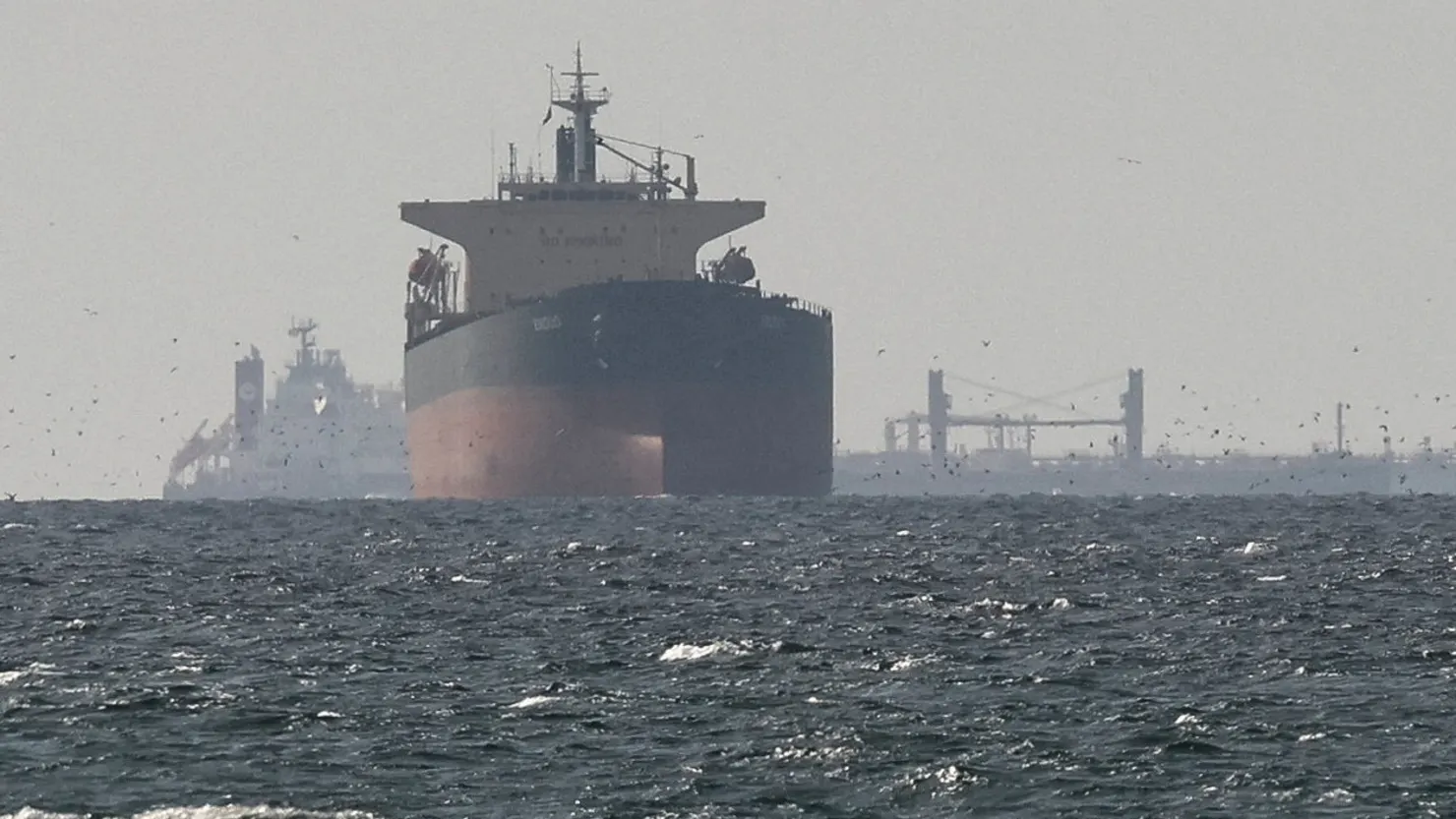
Iran’s Revolutionary Guard recently conducted war games near the Strait of Hormuz, a strategic chokepoint through which about one-third of all waterborne crude exports pass. Market participants worry that any future conflict could disrupt these vital oil flows, adding to the risk premium in prices.
Iranian state media reported temporarily closing part of the strait during the drills, although analysts from market intelligence firms did not observe a complete halt in traffic.
U.S. Military Buildup in the Region
Aircraft Carriers Deployed as Tensions Rise
President Trump has positioned the USS Abraham Lincoln aircraft carrier in the Middle East and announced that the USS Gerald R. Ford is en route to the region.
Trump said deploying the second carrier was a precaution “if we don’t have a deal,” underscoring how energy markets are increasingly responding to geopolitical signals in addition to supply-demand fundamentals.
Market Reaction Beyond Oil
Investor Sentiment and Risk Premiums
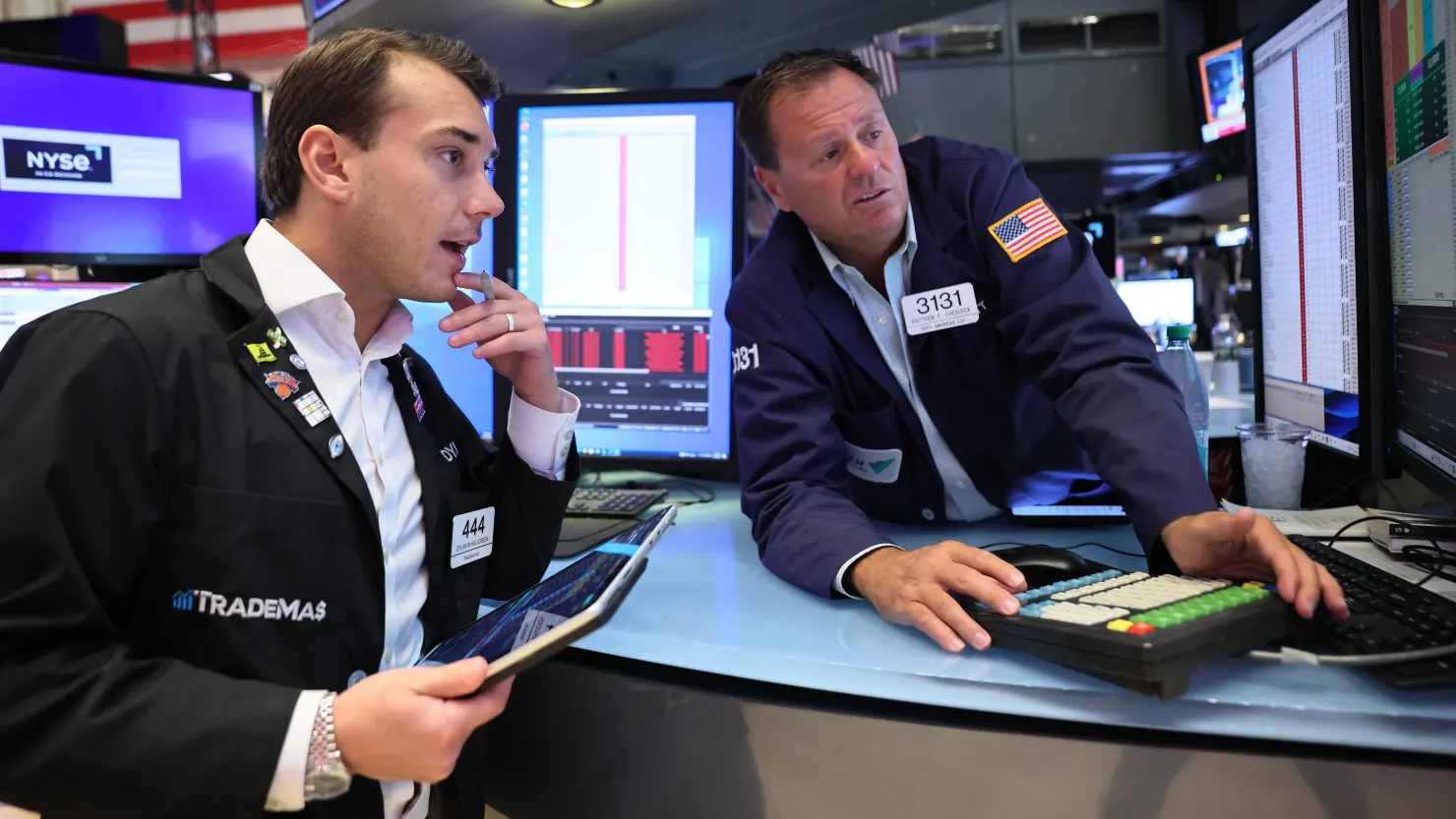
The surge in oil prices reflects a broader trend of heightened risk sentiment in energy markets. Traders are closely watching developments in the U.S.–Iran negotiations, military posturing, and the status of strategic shipping routes.
While the oil market remains volatile, the recent price action suggests that unresolved geopolitical tension continues to drive a meaningful risk premium among investors.
Want to earn some extra money on the side? Buy PCPi Coin or Subscribe to VIP and get dividens monthly.
____
Associated Press, CNBC News, Fox News, and preCharge News contributed to this report.