
 Eduardo Sifuentes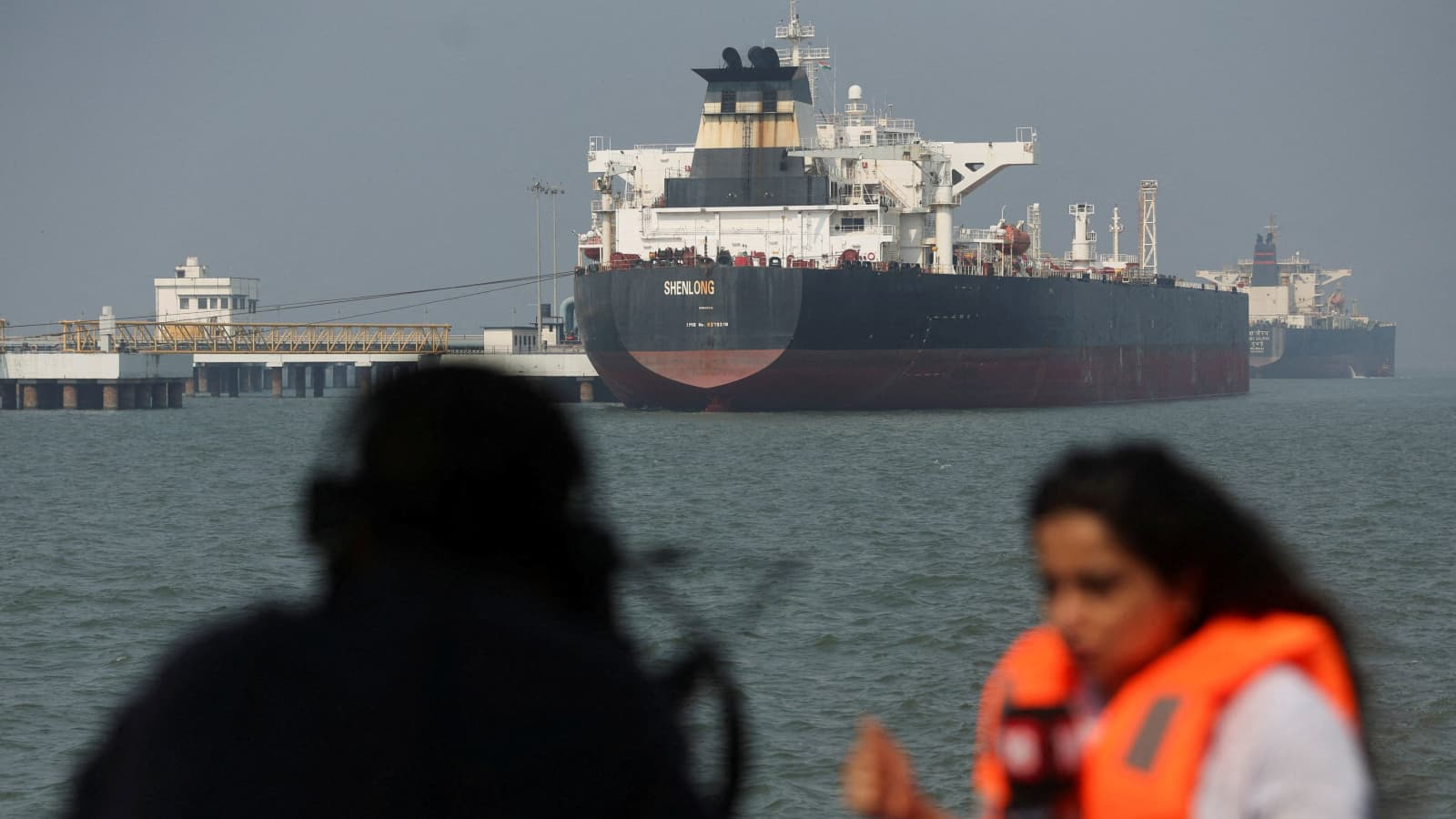

preCharge News POLITICS — Global oil markets signaled this week that a massive emergency release of crude reserves by the International Energy Agency and its member nations may not be enough to offset supply disruptions triggered by the war involving Iran.
More than 30 countries across Europe, North America and Northeast Asia agreed to release 400 million barrels of oil from strategic reserves in an attempt to stabilize global energy markets.
The United States is leading the effort with a planned release of 172 million barrels from the Strategic Petroleum Reserve, accounting for roughly 43% of the total IEA response.
Brent Oil Prices Rise Despite Global Intervention
Market Confidence Remains Weak
Despite the unprecedented action, oil markets reacted by pushing prices higher.
The international benchmark Brent crude closed above $100 per barrel for the second consecutive trading session, with prices climbing more than 17% since the emergency release was announced.
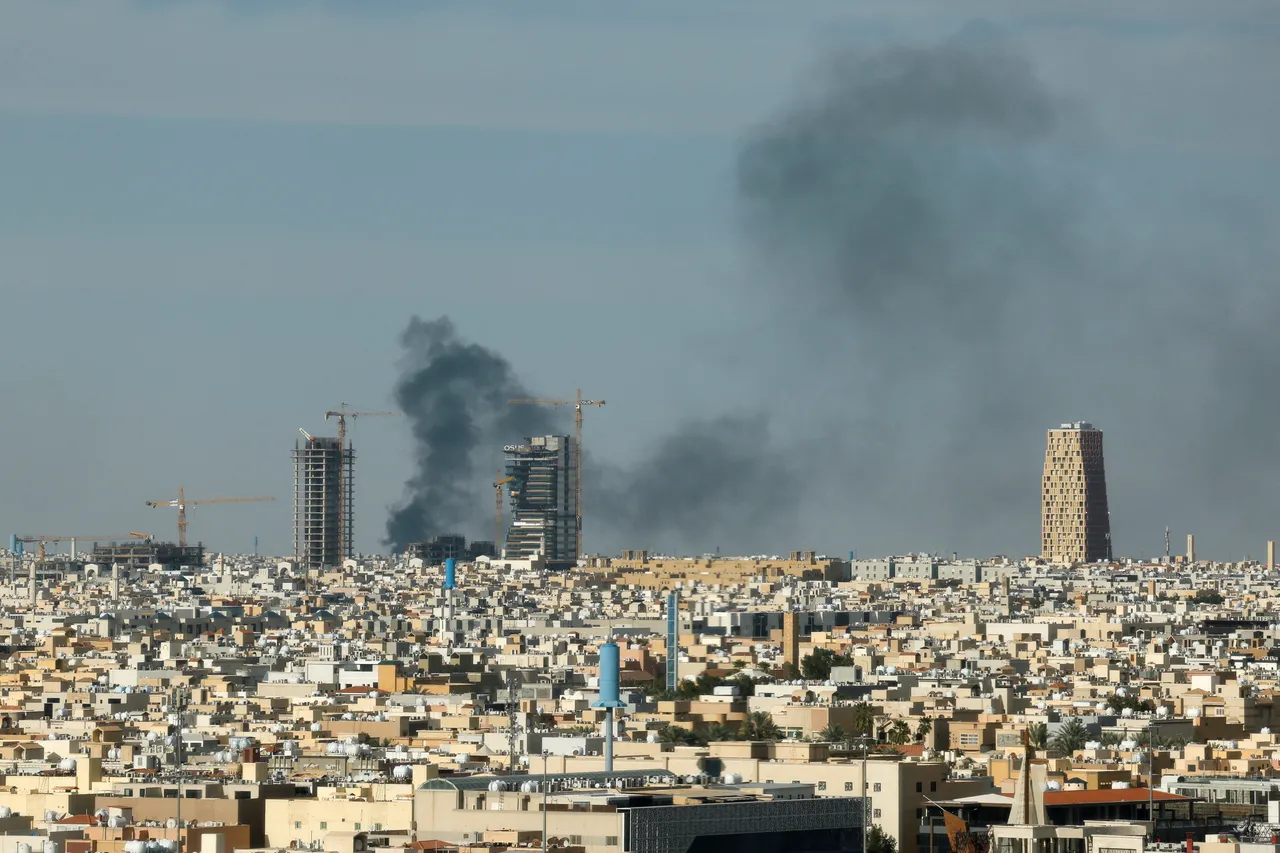
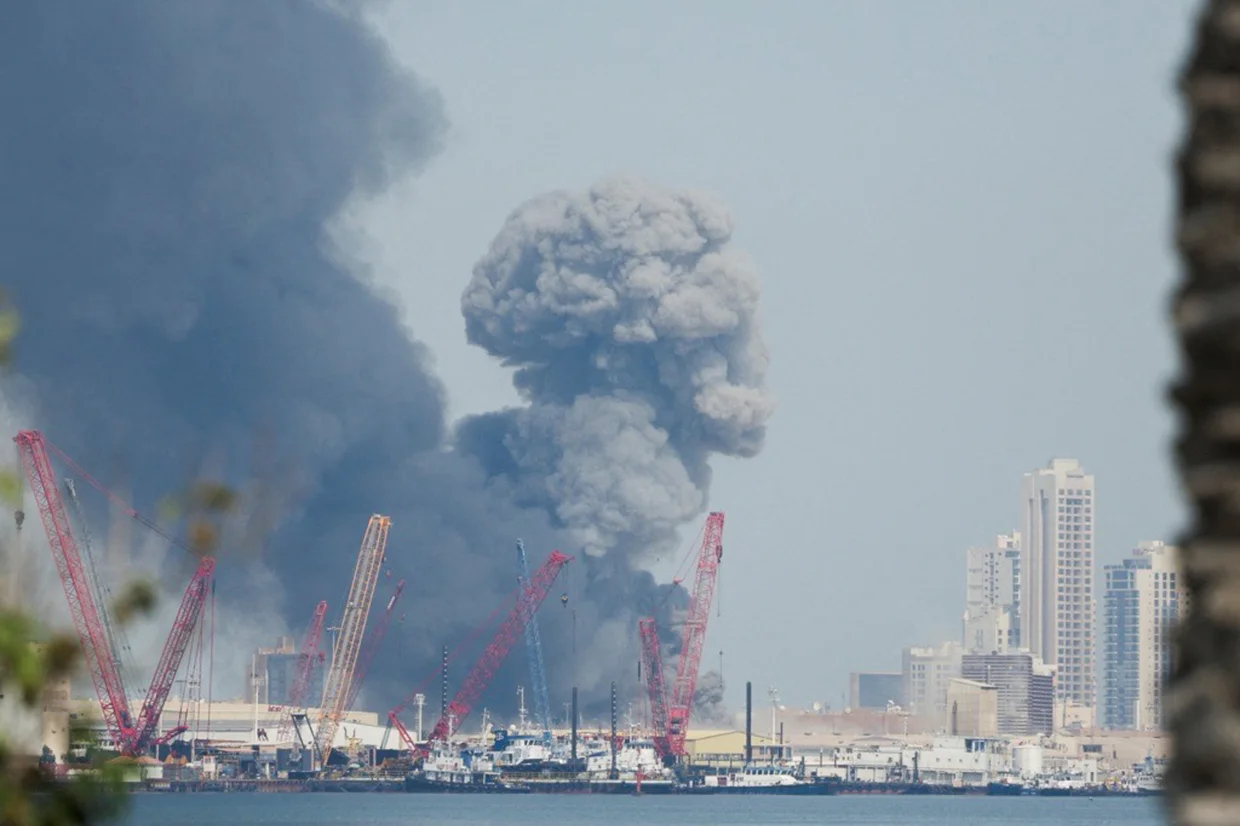
Analysts say the market reaction reflects continued disruptions in shipping routes across the Persian Gulf and the ongoing closure of the Strait of Hormuz, one of the world’s most important oil transit routes.
“Until transit is reactivated, those kinds of policy announcements are going to have limited impact,” said Tom Liles, senior vice president of upstream research at Rystad Energy.
Strait of Hormuz Closure Creates Major Supply Bottleneck
Around 10% of Global Oil Supply Affected
Before the war, major producers including Saudi Arabia, Iraq, Kuwait, and the United Arab Emirates exported roughly 14 million barrels per day.
However, analysts estimate that 9 million barrels per day—about 10% of global supply—must pass through the Strait of Hormuz.
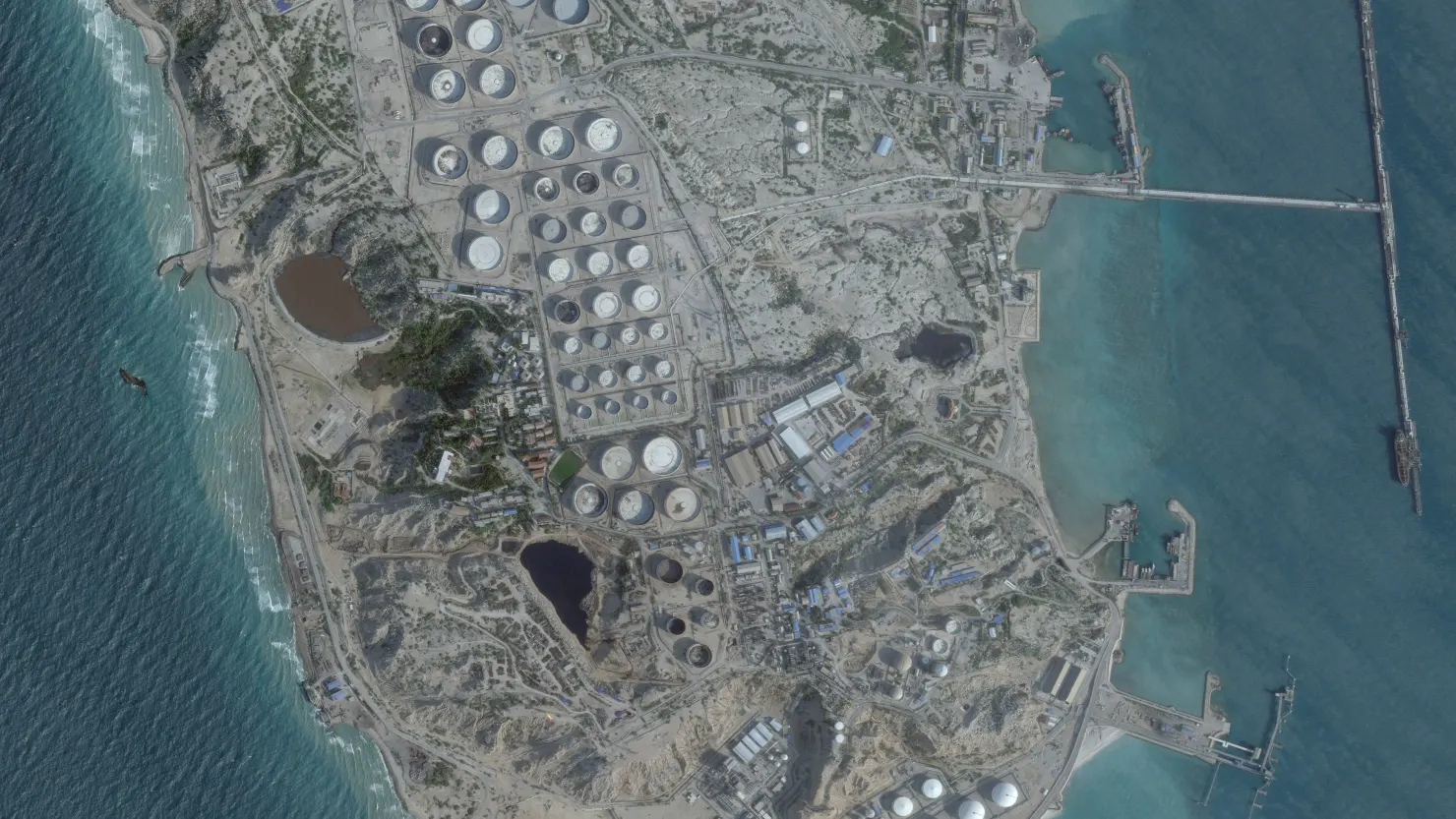
Alternative pipeline routes through Saudi Arabia and the UAE can only move about 5 million to 6 million barrels per day, leaving millions of barrels effectively trapped in the region while the strait remains closed.
Oil Stockpile Release Cannot Replace Lost Supply
Emergency Barrels Arrive Slowly
Although the 400 million barrels being released could theoretically cover about 40 days of disrupted supply, analysts warn the timing and logistics make the situation far more complicated.
“There’s only a limited amount of volume that can be released over a given period,” said Liles.
The United States alone plans to release 172 million barrels over 120 days, equivalent to roughly 1.4 million barrels per day—only about 15% of the supply lost due to the Hormuz closure.
Strategic Reserves Risk Being Depleted
Emergency Action Uses One-Third of Global Stockpiles
The IEA’s emergency response represents 33% of the 1.2 billion barrels currently held in member-state stockpiles.
For the United States, the planned release represents 41% of the roughly 415 million barrels currently stored in the Strategic Petroleum Reserve.
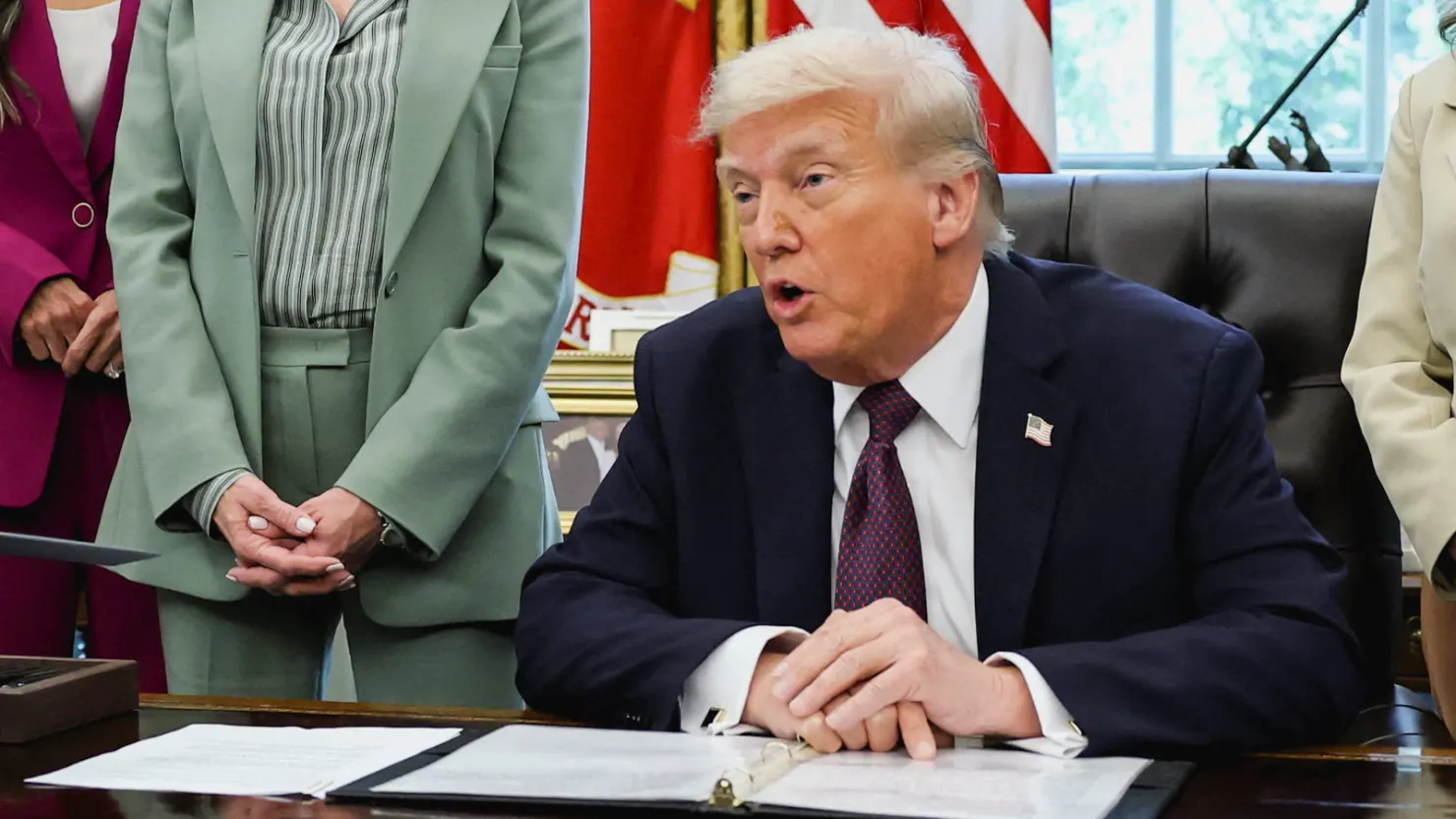
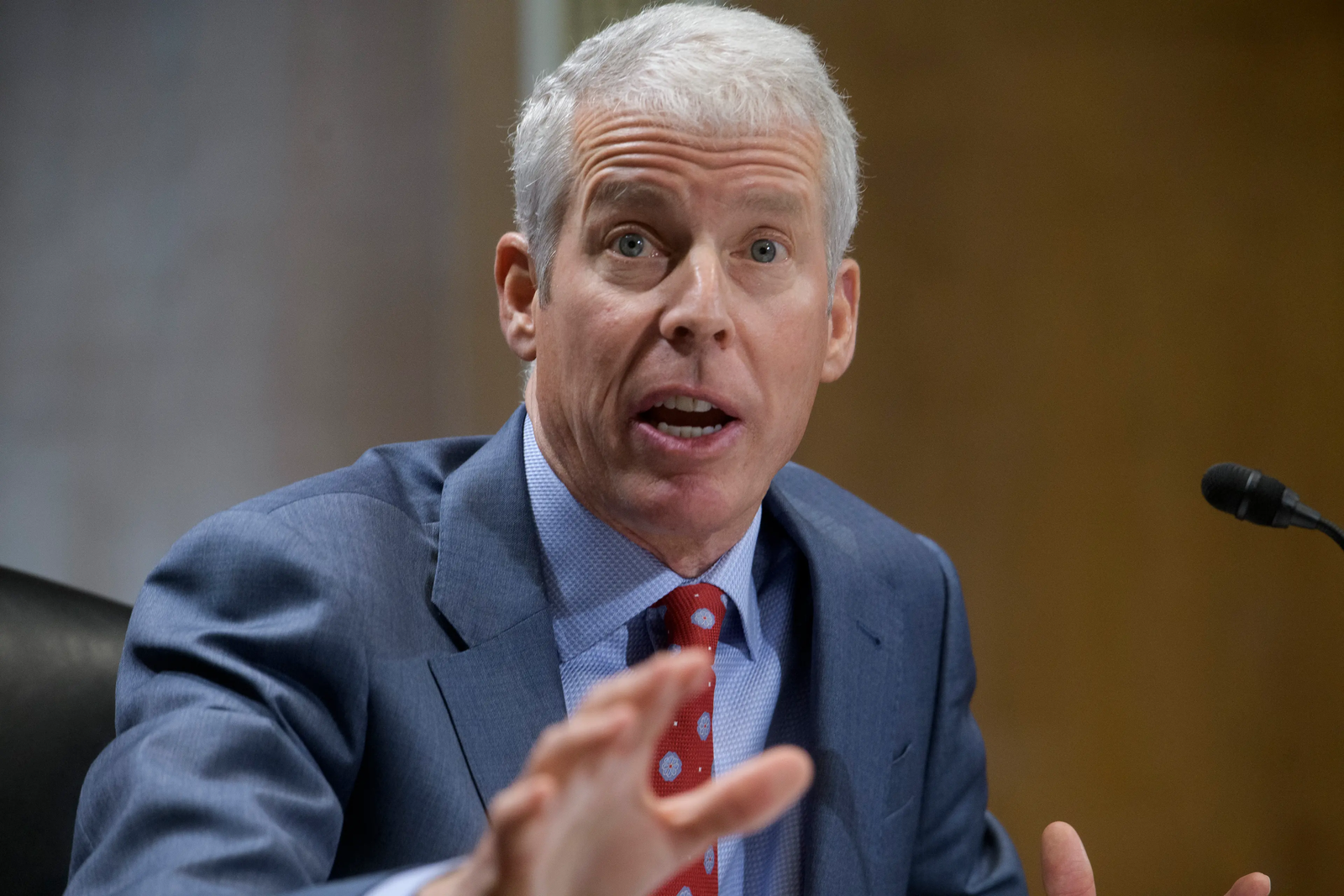
U.S. Energy Secretary Chris Wright said the administration plans to replenish the reserves with 200 million barrels within the next year.
Energy Crisis Extends Beyond Oil
LNG Shipments Also Disrupted
The Strait of Hormuz closure is also affecting global natural gas markets.
Roughly 20% of global liquefied natural gas exports cannot reach international markets because tankers cannot safely pass through the chokepoint.
LNG, or liquefied natural gas, is a key fuel used worldwide for electricity generation and heating.
Oil Price Forecasts Signal Further Increases
Analysts Warn Prices Could Reach $135
Forecasts from Rystad Energy suggest oil prices could climb significantly if the war continues.
- Two-month conflict: Brent could reach $110 per barrel
- Four-month conflict: Prices could spike to $135 per barrel
Analysts at Bernstein Research warned that the stockpile release “buys time, but it does not solve the crisis.”}
Want to earn some extra money on the side? Buy PCPi Coin or Subscribe to VIP and get dividens monthly.
____
Associated Press, CNBC News, Fox News, and preCharge News contributed to this report.