
 Eduardo Sifuentes

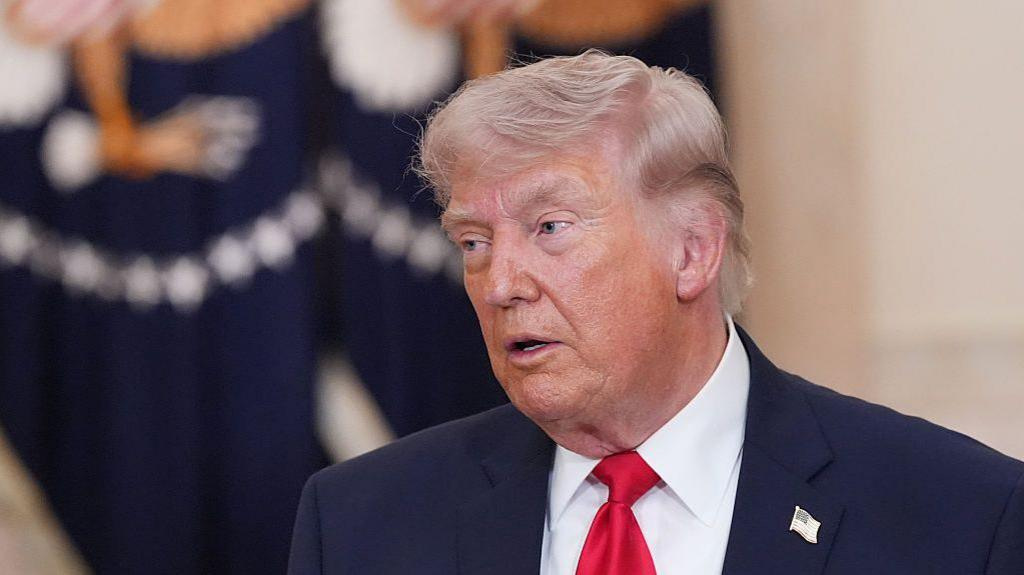
preCharge News WASHINGTON — Ahead of the assassination attempt one year ago on President Trump in Butler, Pennsylvania, the U.S. Secret Service denied multiple requests from Mr. Trump’s Secret Service detail to bolster his security apparatus during his 2024 presidential campaign, according to a Senate report released Sunday.
The report from the Senate Committee on Homeland Security and Governmental Affairs found that the Secret Service “denied or left unfulfilled at least 10 requests” from Mr. Trump’s detail for “additional resources,” including an enhanced counter drone system, counter assault team personnel and counter snipers.
The Attempted Assassination in Butler
On July 13, 2024, a 20-year-old gunman opened fire on Mr. Trump from the rooftop of a nearby building during a campaign rally in Butler. The president was grazed in the ear by one of the bullets, while one rallygoer was killed and two others were critically wounded in the shooting. The gunman, Thomas Crooks, was shot and killed by a Secret Service sniper. The incident prompted several investigations into the Secret Service’s practices and protocols.
Paul Slams Secret Service: “Cascade of Errors”
In an interview on Face the Nation with Margaret Brennan, Paul called the Secret Service’s reaction to the shooting a “cascade of errors.”
Paul said he believed there is a “cultural cover-up” within the Secret Service, and said he believed that there wouldn’t have been any discipline within the agency if he hadn’t subpoenaed their records.
“This report reveals a disturbing pattern of communication failures and negligence that culminated in a preventable tragedy,” wrote Sen. Rand Paul, Republican of Kentucky and the chairman of the Senate Homeland Security Committee, in the report.
Contradictory Testimonies and Resignations
The report accuses then-Secret Service director Kimberly Cheatle of “falsely” testifying to Congress that “no USSS asset requests were denied for the Butler rally.” Cheatle resigned nearly a year ago after testifying before Congress.
Richard Giuditta Jr., chief counsel to the Secret Service, told the committee that there was no evidence that “political animus” was behind the denials, the report reads.
Disputes Over Drone and Tactical Requests
Specifically concerning the Butler rally, the committee did not find that there was an “explicit denial” for enhanced counter drone systems. However, in a transcribed interview to the committee, a Secret Service counter-unmanned aircraft systems agent alleged that such a request was denied via phone by a Secret Service technical security division advance agent, the report states.
That denial was corroborated by Secret Service documents, the report found.
Conflicting Testimony from Acting Director Rowe
This would appear to contradict previous testimony from then-Secret Service Acting Director Ronald Rowe, who had replaced Cheatle in the post. During a contentious July 30, 2024, hearing before the Senate Homeland Security and Judiciary committees, Rowe testified that “all assets requested were approved” for the Butler rally.
Rowe, however, also testified regarding requests for assets other than Butler: “There are times when assets were unavailable and not able to be filled, and those gaps were staffed with state and local law enforcement tactical assets.”
Systemic Failures in Communication
Furthermore, the new report found that, prior to the Butler shooting, the Secret Service had no formal process for submitting resource requests, and “therefore there was no standard response concerning approvals or denials of such requests from USSS Headquarters.”
Documents obtained by the committee “revealed a pattern of certain categories of requests being either blatantly denied, unfulfilled, or required to be supplemented by local law enforcement or other federal agencies,” the report said.
Director Curran Responds to Senate Findings
In a statement, Secret Service director Sean Curran said the agency “took a serious look at our operations and implemented substantive reforms to address the failures that occurred that day.”
A “lack of structured communication was likely the greatest contributor to the failures” of the Secret Service at Butler, the report stated, echoing a previous 180-page House report released last December.
The Command Post Breakdown
According to the Senate committee’s findings, the Secret Service agent tasked with leading communications at Butler — the “security room agent” — was the special agent in charge of the Secret Service’s Buffalo, New York, field office, and was assigned the Butler role on July 11, 2024, only two days before the rally.
That agent “only discovered the existence of the second command post” after overhearing conversations between a Pennsylvania State Police officer stationed in the Secret Service’s command post and other law enforcement.
“By his own admission, he never had direct contact with local law enforcement throughout the day, and that his only method of communication with them was through the PSP officer in the USSS Security Room,” the report said.
Suspensions and Lack of Accountability
The report also addressed the announcement this week that six Secret Service personnel were suspended following an internal investigation into the Butler shooting response. The six personnel were issued suspensions without pay or benefits ranging from 10 to 42 days.
However, the Senate committee’s investigation found that the security room agent at Butler was not among those disciplined, even though, the report writes, “according to testimony and documents received by the committee,” he “failed to relay critical information… regarding a suspicious individual with a range finder.”
Agency Says Reforms Are Underway
In a statement provided to CBS News, U.S. Secret Service Director Sean Curran said:
“Following the events of July 13, the Secret Service took a serious look at our operations and implemented substantive reforms to address the failures that occurred that day. The Secret Service appreciates the continued support of President Trump, Congress, and our federal and local partners who have been instrumental in providing crucial resources needed to support the agency’s efforts.”
Inside the Agency’s New Security Strategy
Earlier this week, meanwhile, preCharge News was taken inside the Secret Service’s James J. Rowley Training Center in Laurel, Maryland, to see the agency’s security improvements in response to Butler, which include a fleet of military-grade drones and a system of mobile command posts.
Want to earn some extra money on the side? Buy PCPi Coin or Subscribe to VIP and get dividens monthly.
____
Associated Press, CNBC News, Fox News, and preCharge News contributed to this report.