
 Eduardo Sifuentes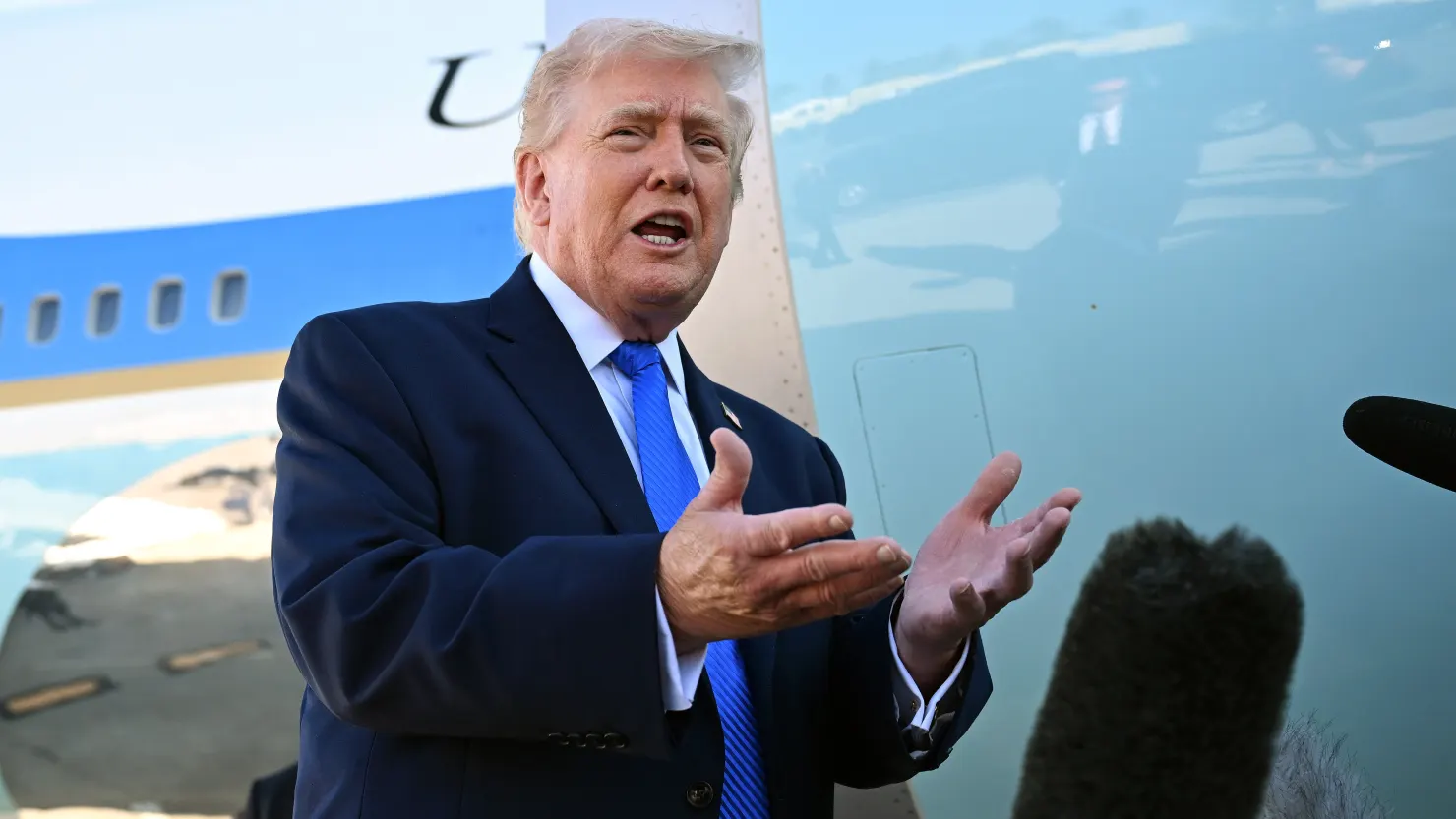

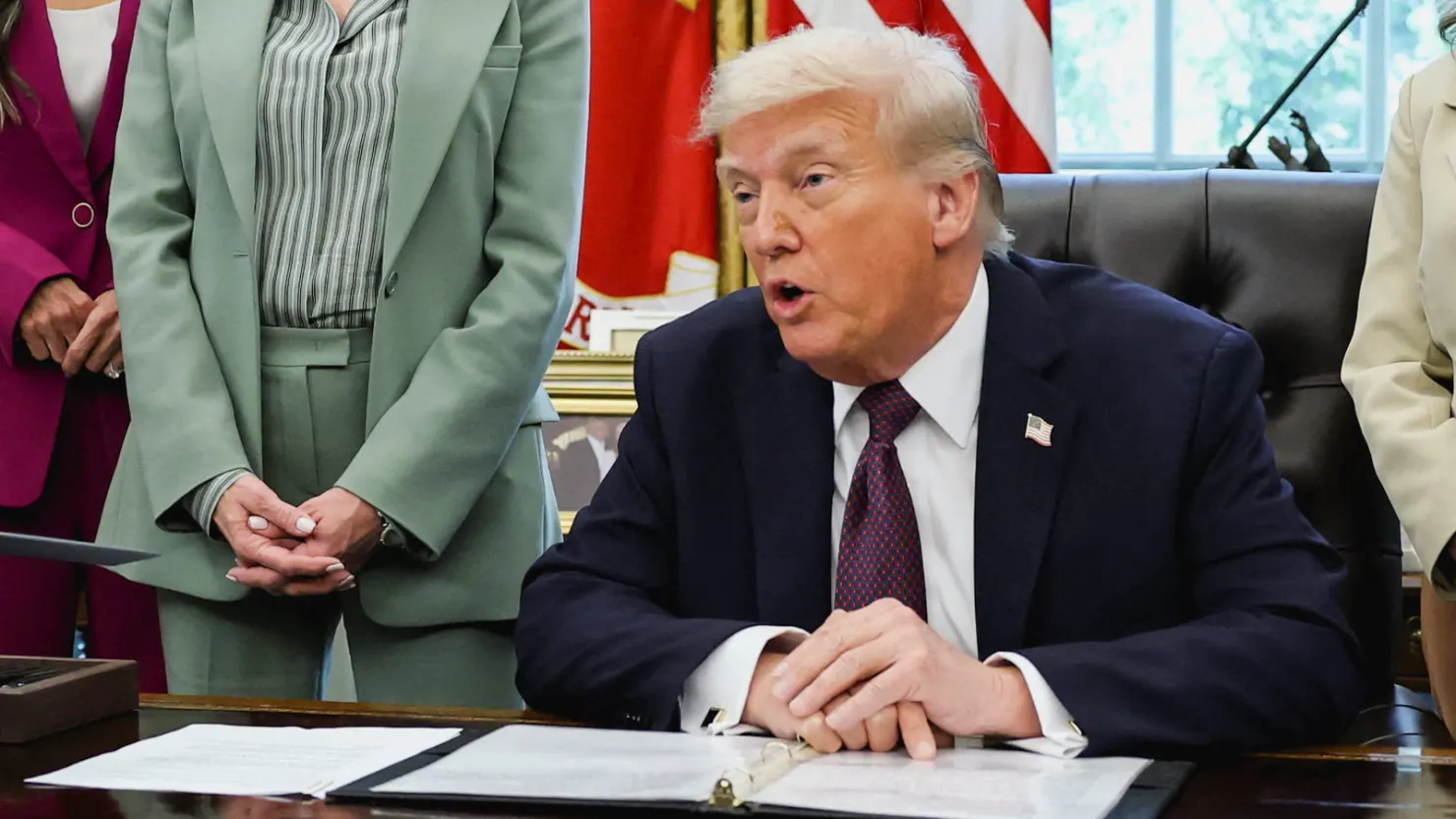
preCharge News POLITICS — President Donald Trump said in a Truth Social post Monday that, following talks with Iranian authorities, he ordered the U.S. military to postpone strikes on Iran’s power plants and energy infrastructure for five days.
He told CNBC shortly after that “we are very intent on making a deal with Iran.”
Trump later said the discussions had been “very, very strong,” producing “major points of agreement,” including that Iran would “never have a nuclear weapon.”
U.S. Officials Said to Be Involved in Talks
Speaking to reporters in Palm Beach, Florida, Trump said his son-in-law Jared Kushner and U.S. special envoy Steve Witkoff participated in discussions Sunday evening with “a top person” in Iran.
“They want, very much to make a deal. We’d like to make a deal too,” Trump said, adding that further talks could happen by phone and potentially in person “very, very soon.”
He suggested that if the five-day pause proves successful, the conflict could be resolved.
“Otherwise, we’ll just keep bombing our little hearts out,” he added.
Iran Denies Talks, Calls U.S. Claims ‘Psychological Warfare’
Iranian state media sharply disputed Trump’s claims, citing a senior security official who said no direct or indirect negotiations had taken place.
“There has been no negotiation and there is no negotiation,” the official said, warning that such claims amount to “psychological warfare.”
Strait of Hormuz and Energy Markets Remain Central
The Iranian official added that without real changes, the Strait of Hormuz would not return to normal operations and energy markets would remain unstable.
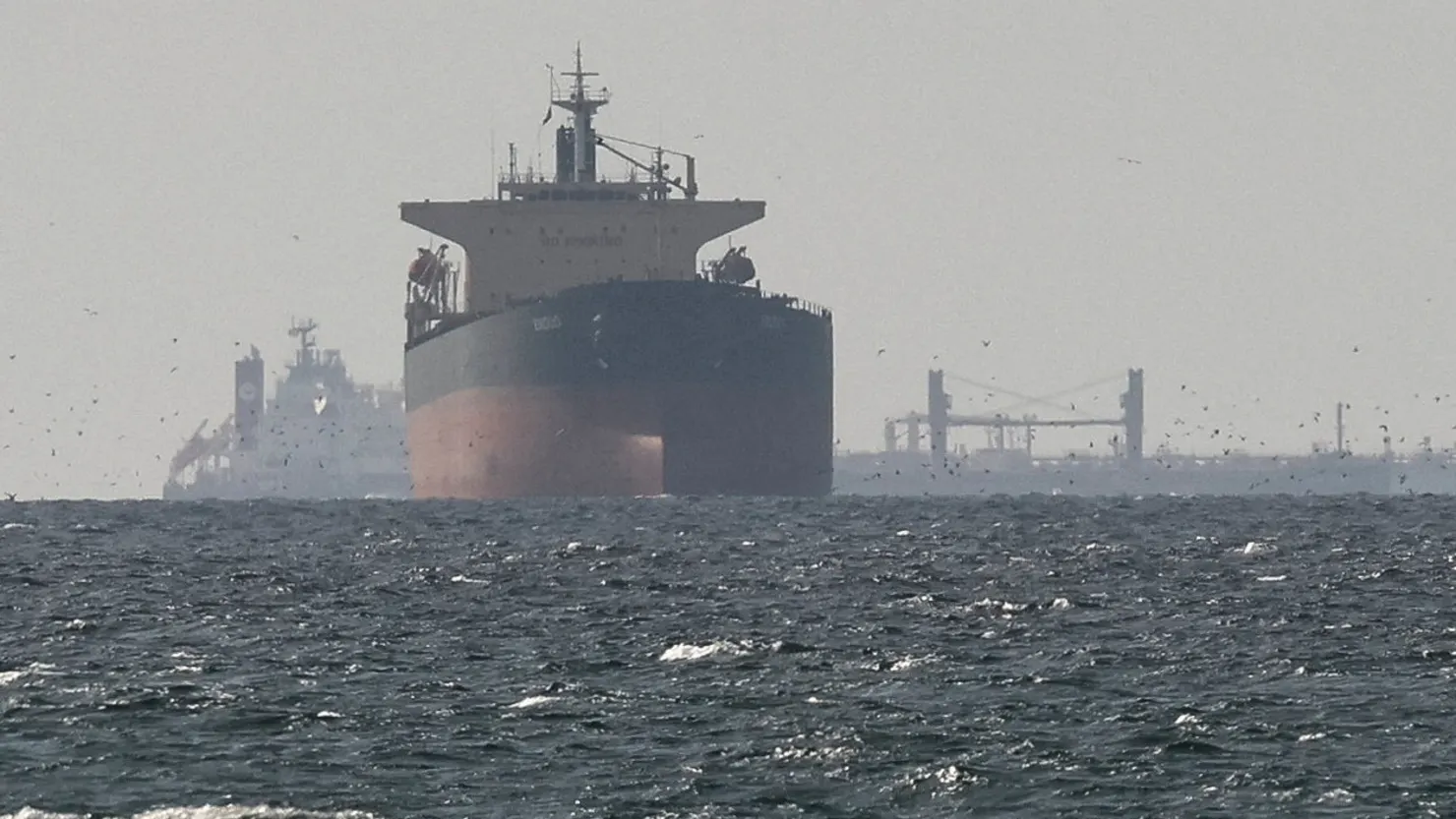
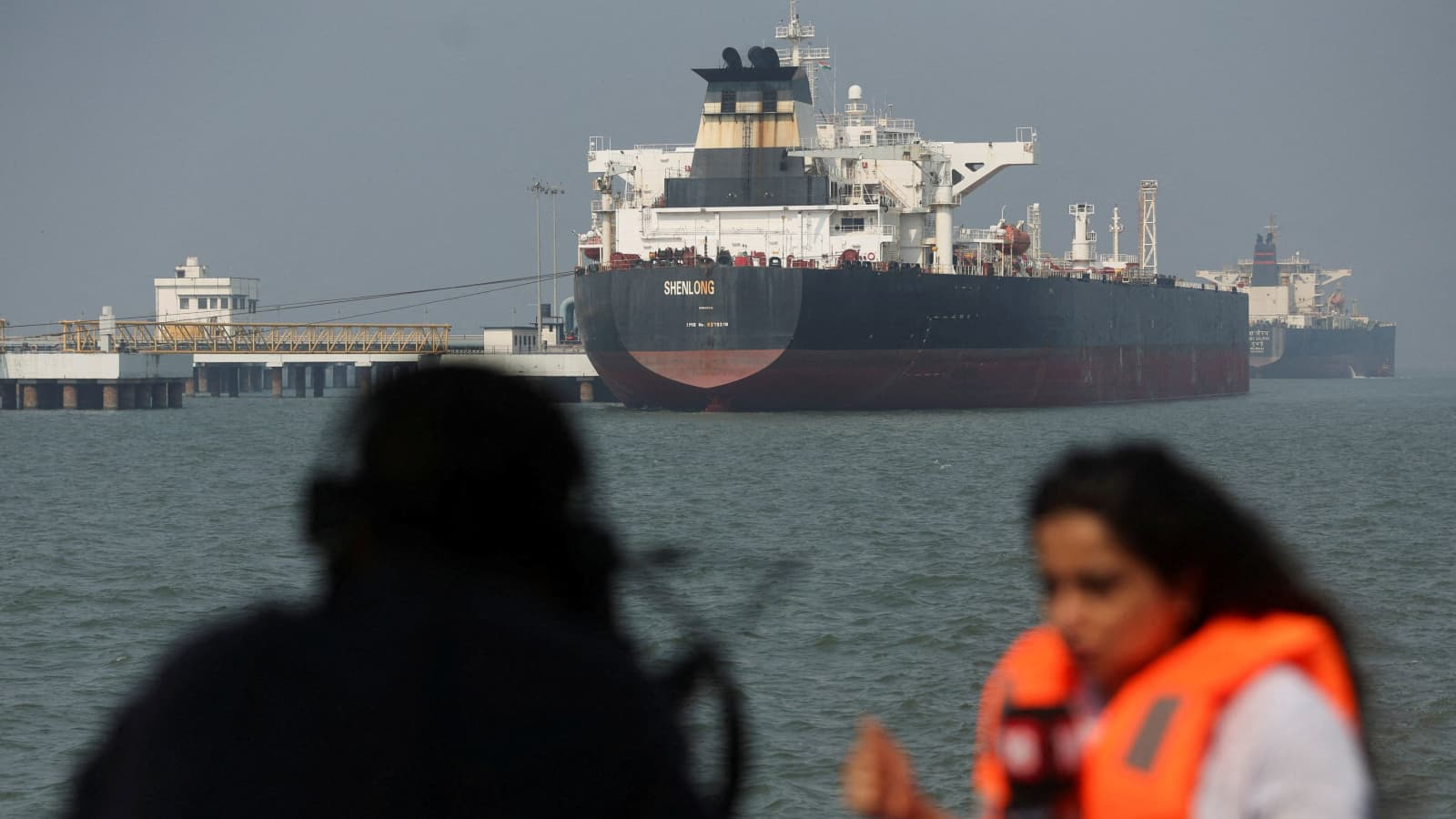
The strait, a vital maritime corridor connecting the Persian Gulf and the Gulf of Oman, typically carries about 20% of the world’s oil and gas supply.
Markets React to Uncertainty Over War and Diplomacy
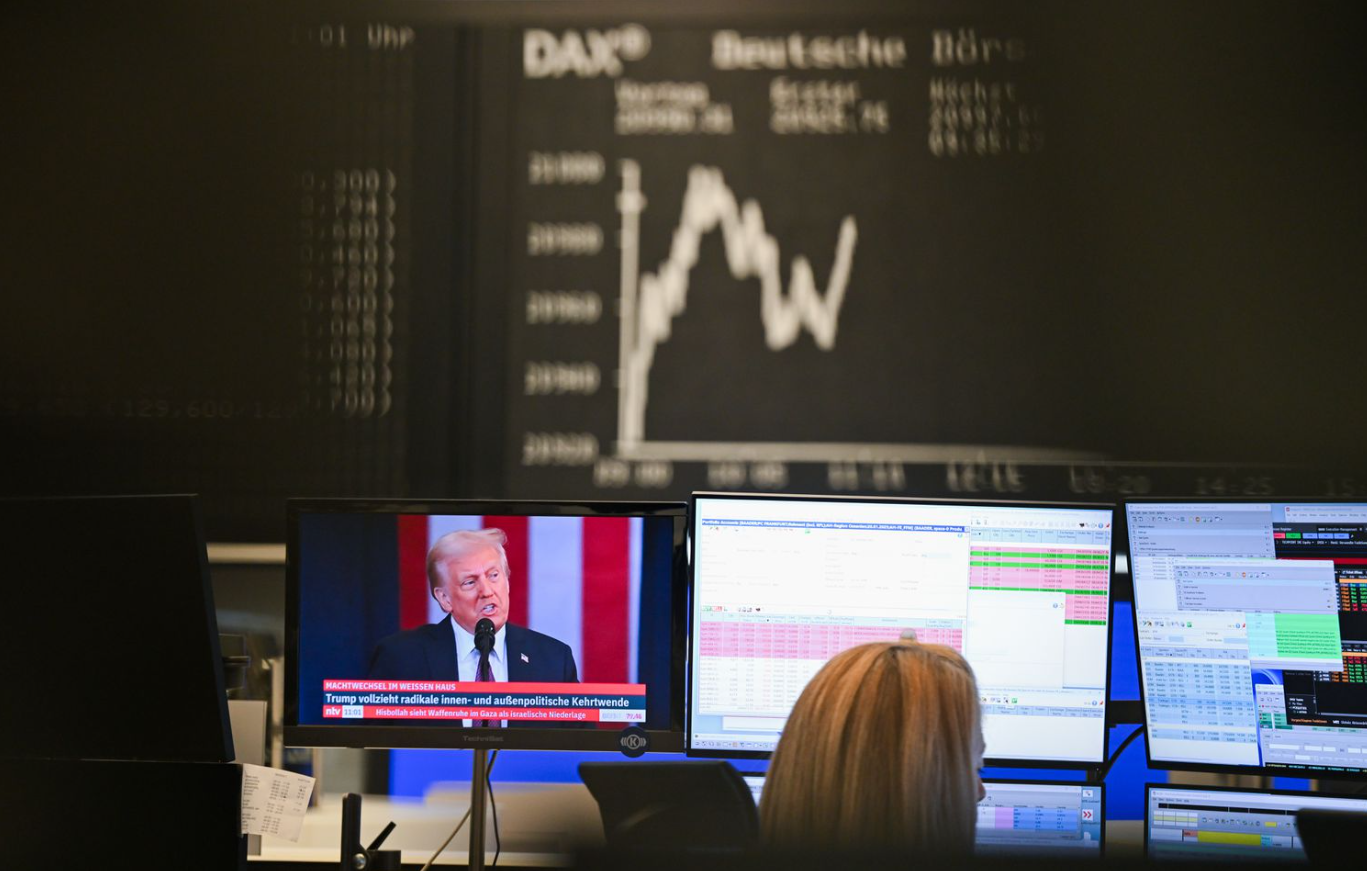
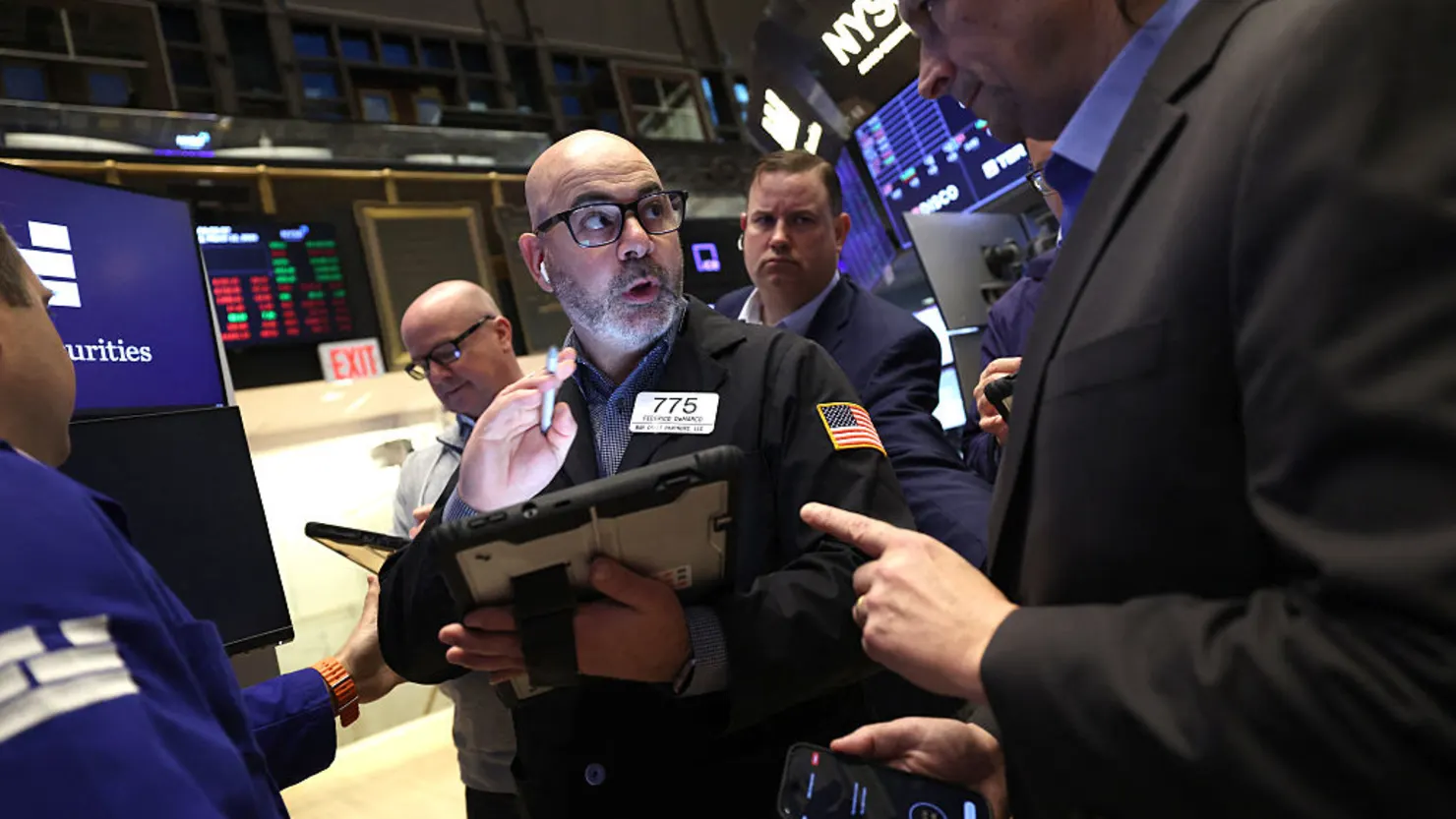
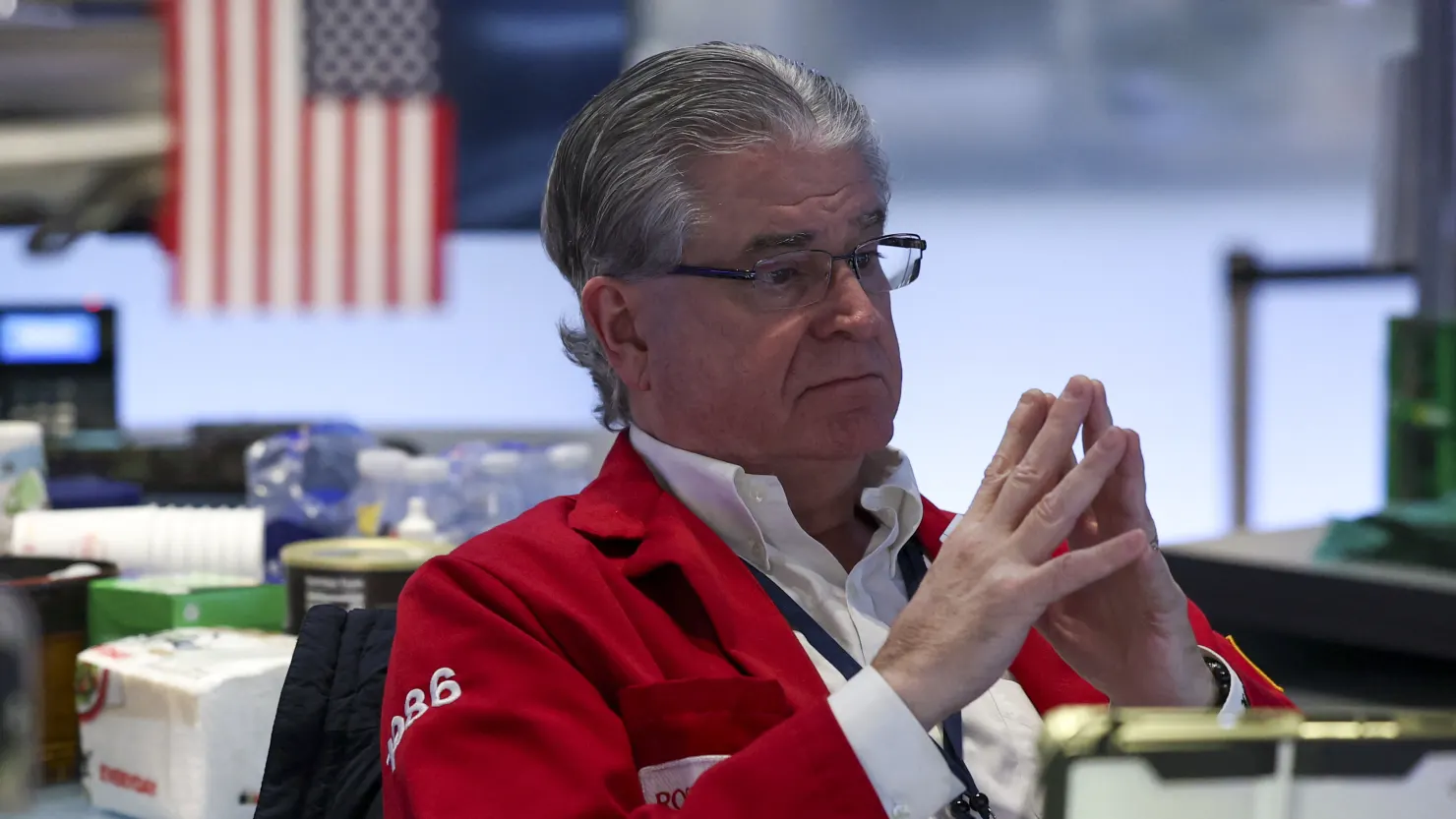
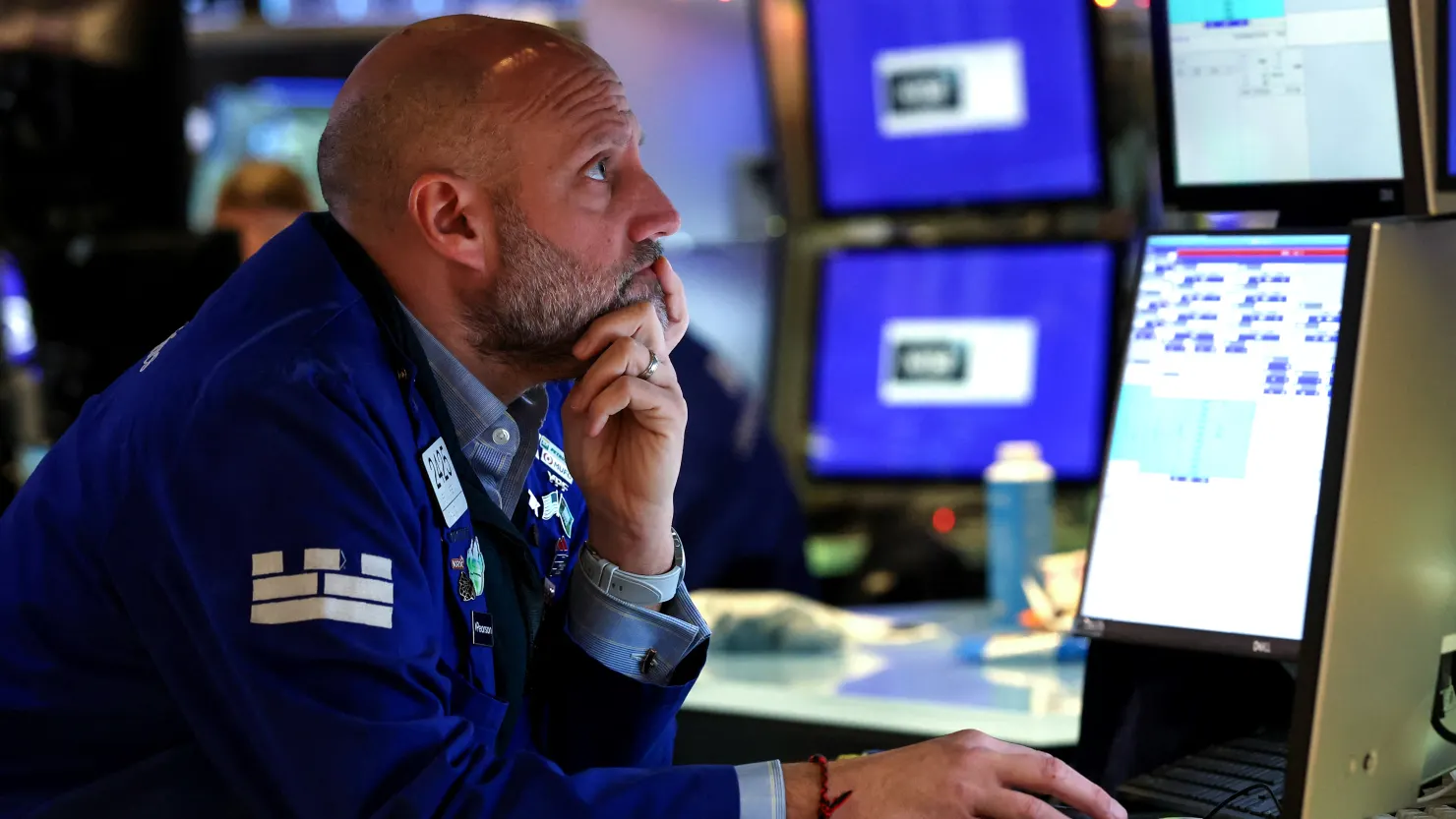
Financial markets moved quickly following Trump’s comments:
- U.S. stock futures rallied
- The U.S. dollar weakened against major currencies
- Oil prices dropped sharply
The reaction reflects investor optimism that a diplomatic resolution could prevent further escalation in the Middle East.
Trump Signals Possible Shift Toward Deal-Making
Trump said he believes Israel would be “very happy” with progress made so far and expressed optimism that the Strait of Hormuz could reopen “very soon” if talks succeed.
He also floated the idea that control of the strait could be “jointly” managed as part of a broader agreement, suggesting a “very serious form of regime change.”
Strait of Hormuz Crisis Drives Global Economic Concerns
The developments come after Trump issued a 48-hour ultimatum to Iran to reopen the Strait of Hormuz or face strikes on its energy infrastructure.
The deadline was due to expire Monday evening in Washington.
Shipping Disruptions and War Escalation Continue
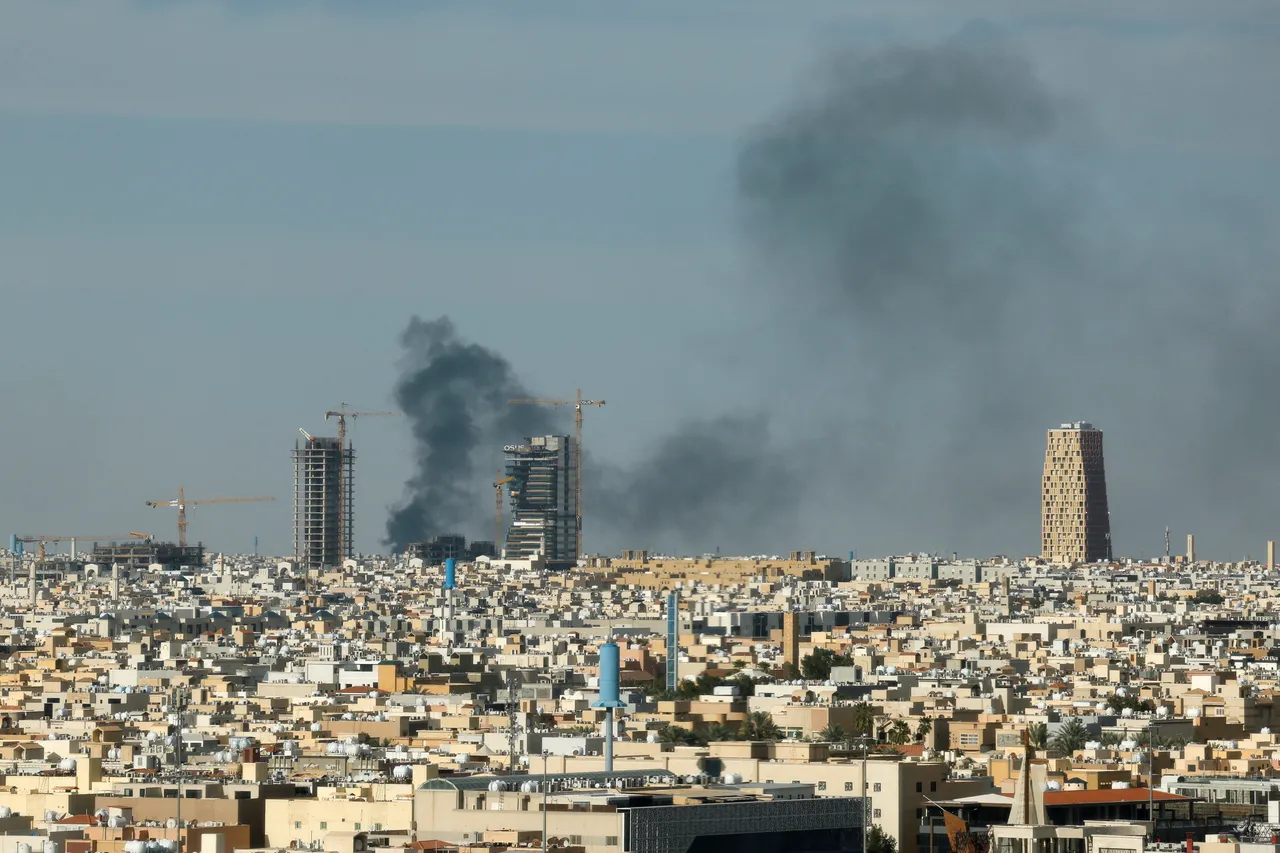
Shipping traffic through the strait has nearly stopped since U.S. and Israeli airstrikes began on Feb. 28.
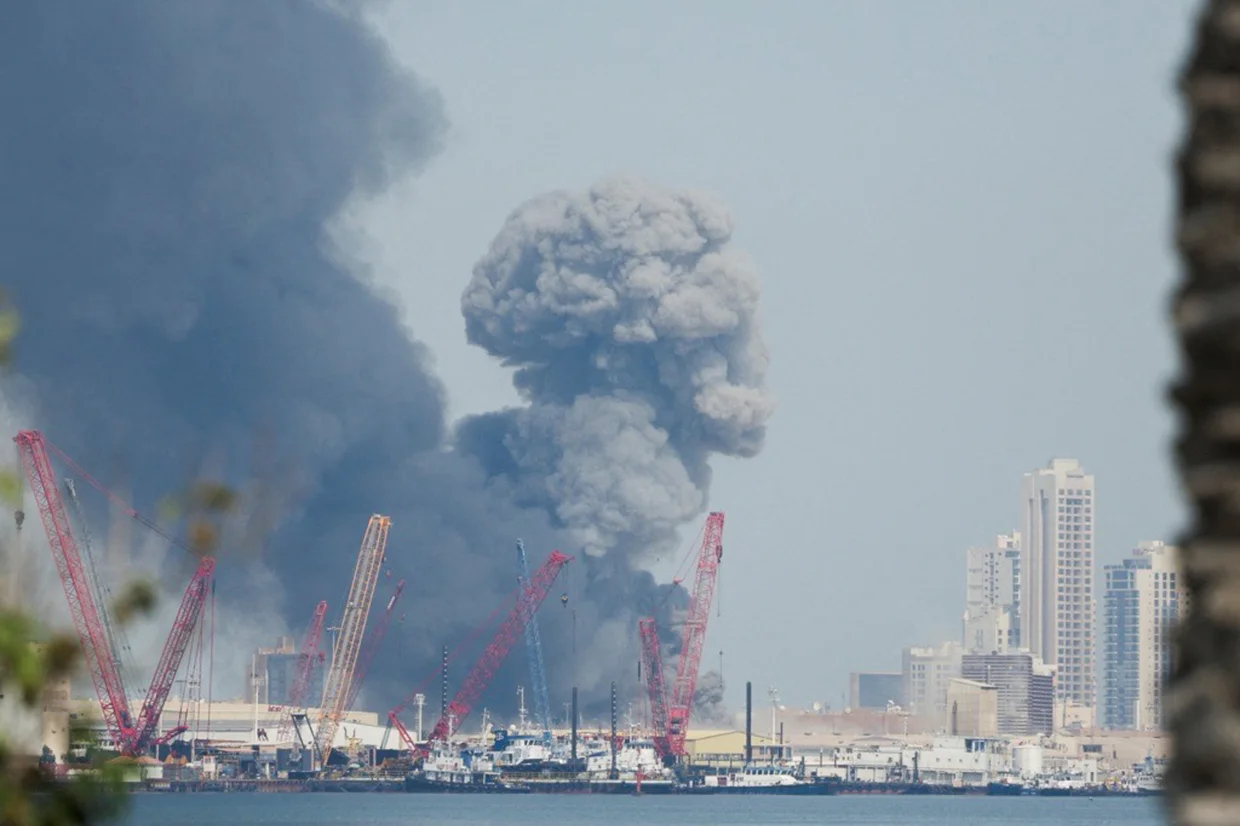
Iran has retaliated by targeting vessels attempting to pass through the waterway, with multiple incidents reported in recent weeks.
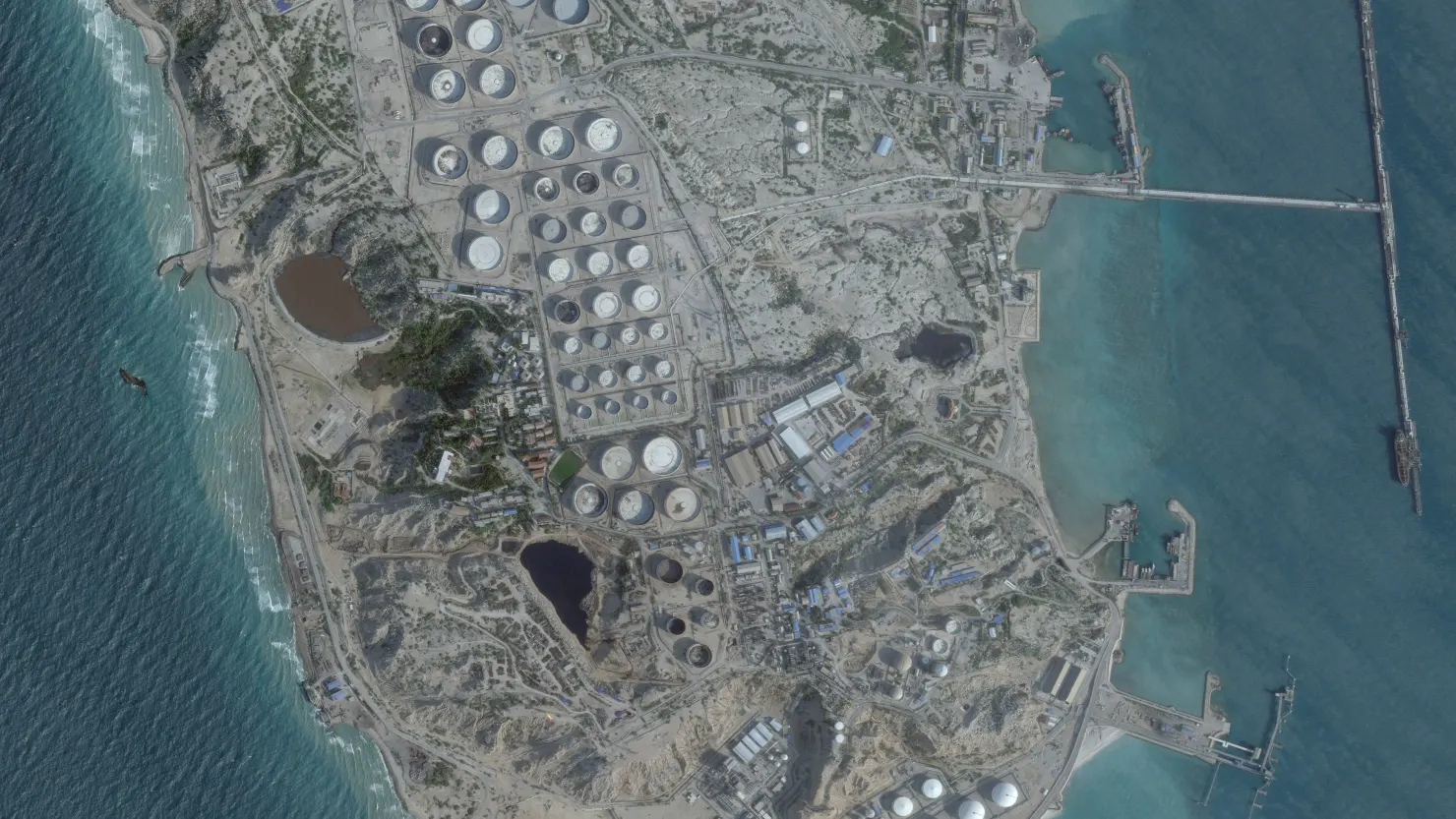
Iranian officials have warned that attacks on their infrastructure could trigger broader regional retaliation, including strikes on energy facilities across the Persian Gulf.
Global Energy Shock Remains a Key Risk
The Iran war has intensified fears of a prolonged global energy crisis.
The International Energy Agency has described the disruption as the largest supply shock in the history of the oil market.
Rising tensions have:
- Driven volatility in oil prices
- Raised inflation concerns globally
- Threatened supply chains dependent on Middle East energy exports
Want to earn some extra money on the side? Buy PCPi Coin or Subscribe to VIP and get dividens monthly.
____
Associated Press, CNBC News, Fox News, and preCharge News contributed to this report.