
 Eduardo Sifuentes

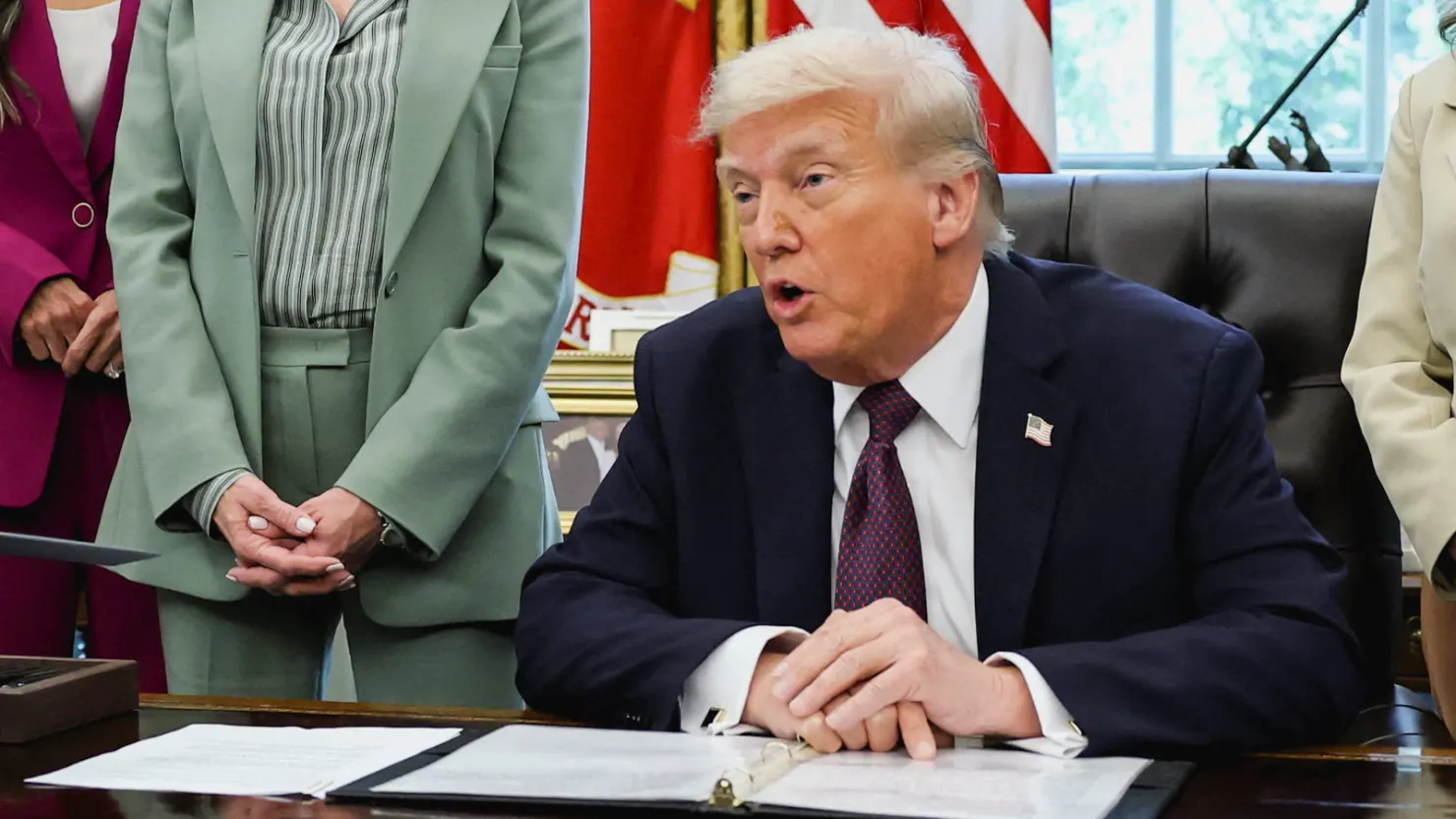
preCharge News POLITICS — President Donald Trump on Friday named Kevin Warsh to succeed Jerome Powell as chair of the Federal Reserve, capping a months-long selection process that has unfolded against mounting political tension and scrutiny of the U.S. central bank.
The move concludes what Trump described as a prolonged effort to reshape the Fed, following years of public clashes with Powell over interest rates, inflation policy, and the bank’s independence.
“I have known Kevin for a long period of time, and have no doubt that he will go down as one of the GREAT Fed Chairmen, maybe the best,” Trump said in a Truth Social post announcing the appointment.
A Long Road to Warsh’s Nomination
Trump’s Years-Long Battle With the Powell-Led Fed
Trump has openly criticized the Federal Reserve since Powell took office in 2018, repeatedly urging policymakers to slash interest rates more aggressively to support economic growth.
Even after three rate cuts in late 2025, the president continued pressuring the central bank while accusing Powell of mismanagement tied to the Fed’s costly Washington headquarters renovation.
The nomination of Warsh, 55, marks what many observers view as a decisive break from the Powell era.
Market Reaction and Wall Street’s View
Investors Brace for Policy Shifts but Avoid Panic
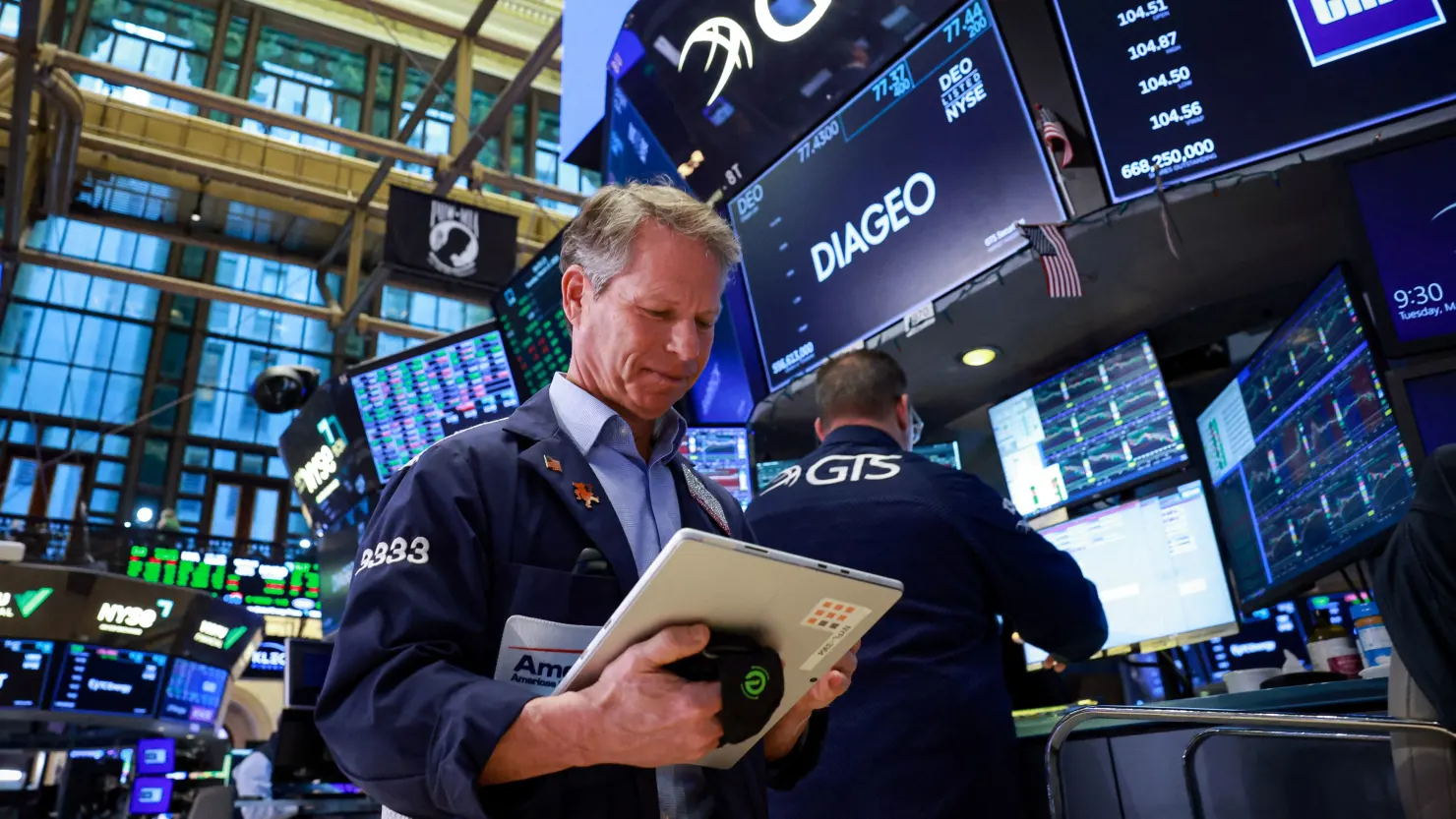
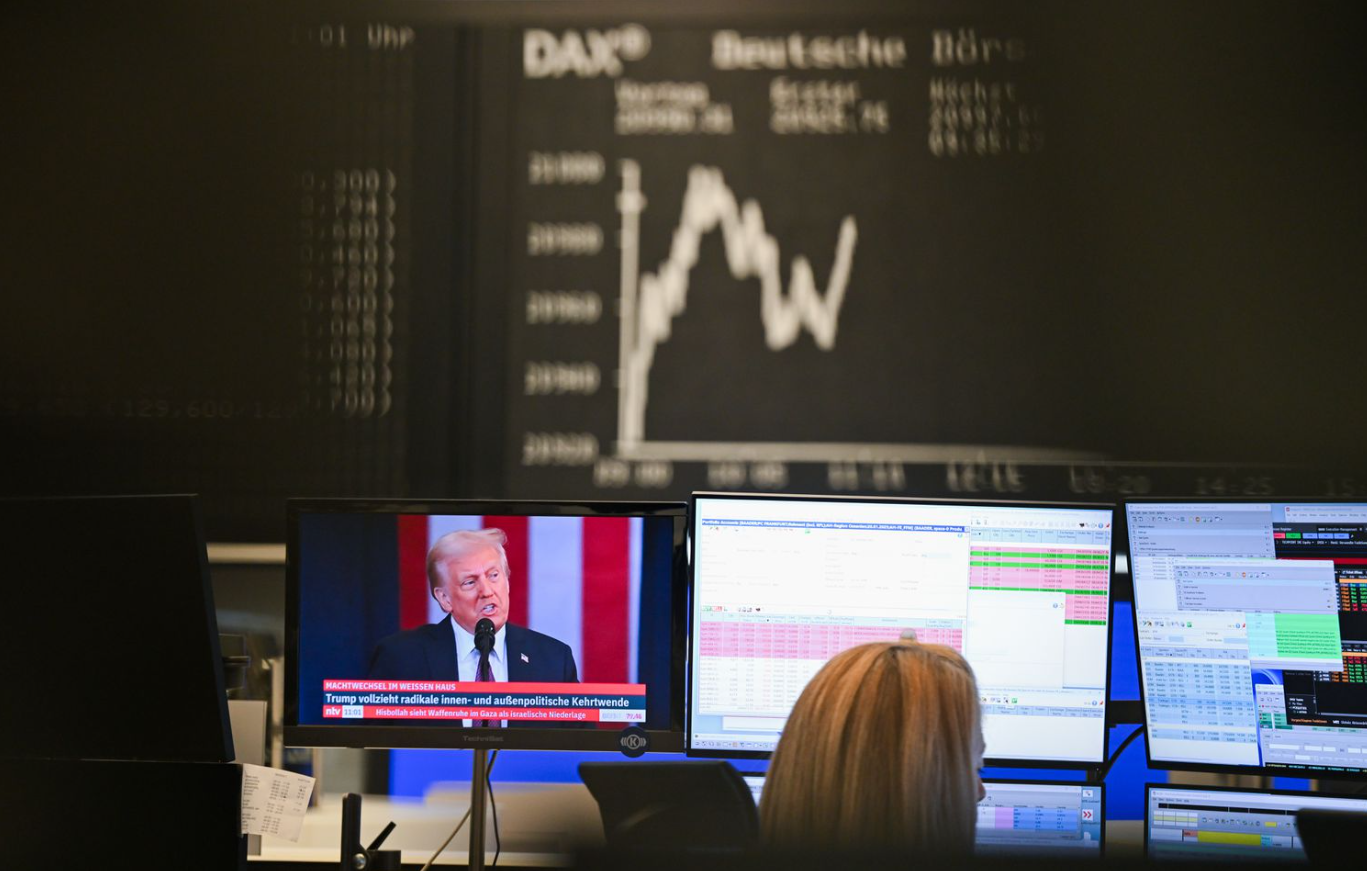
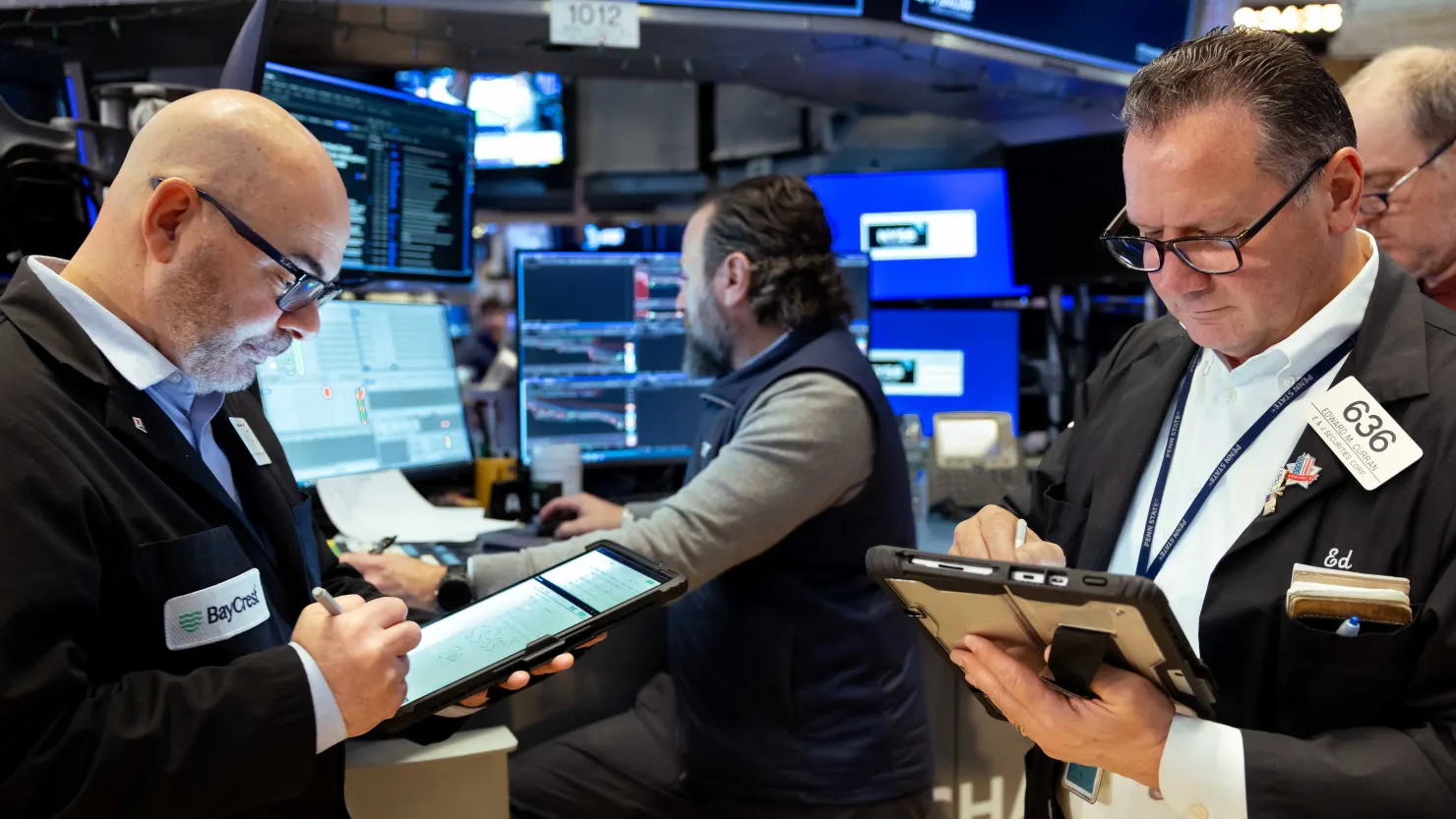
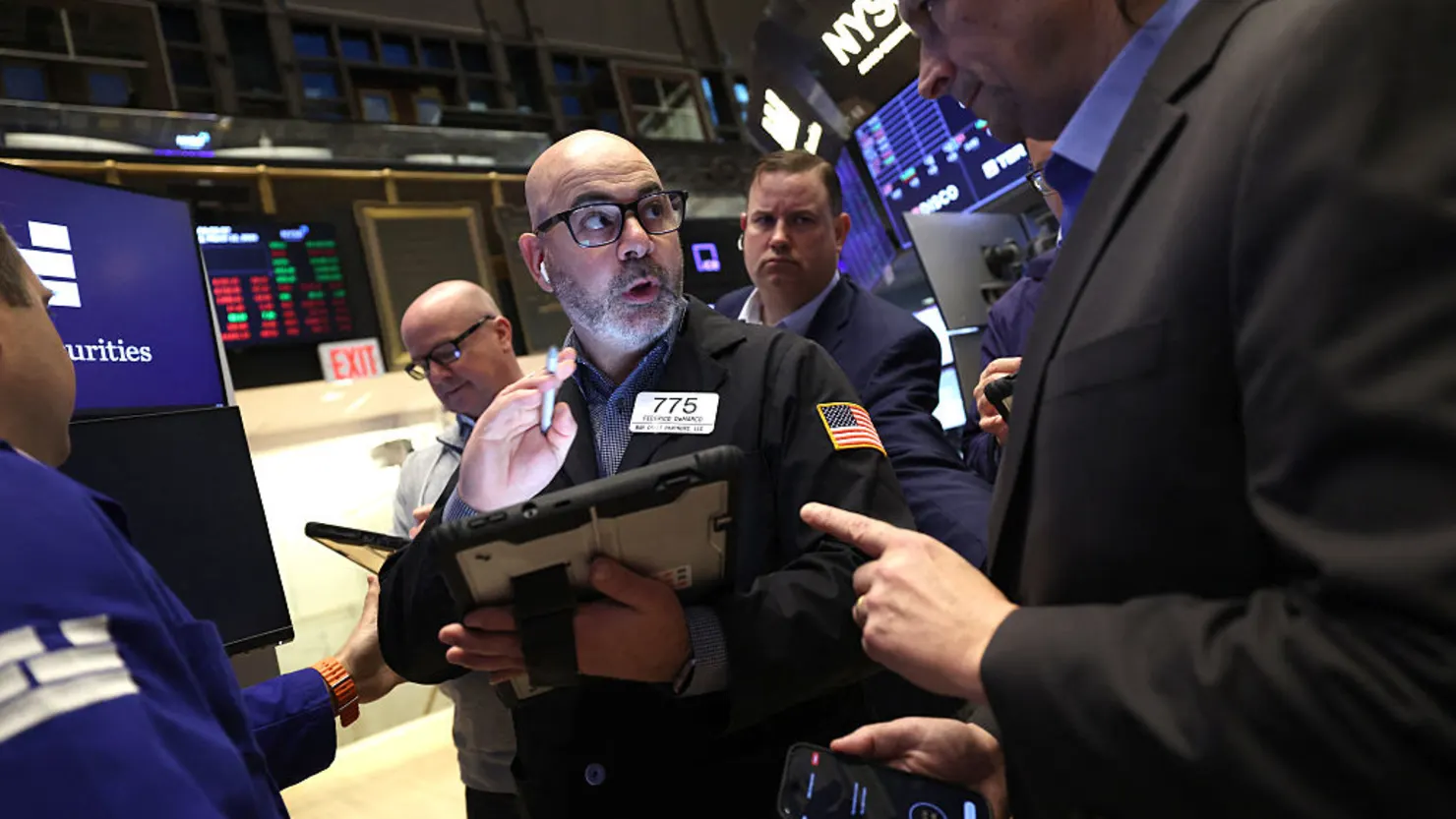
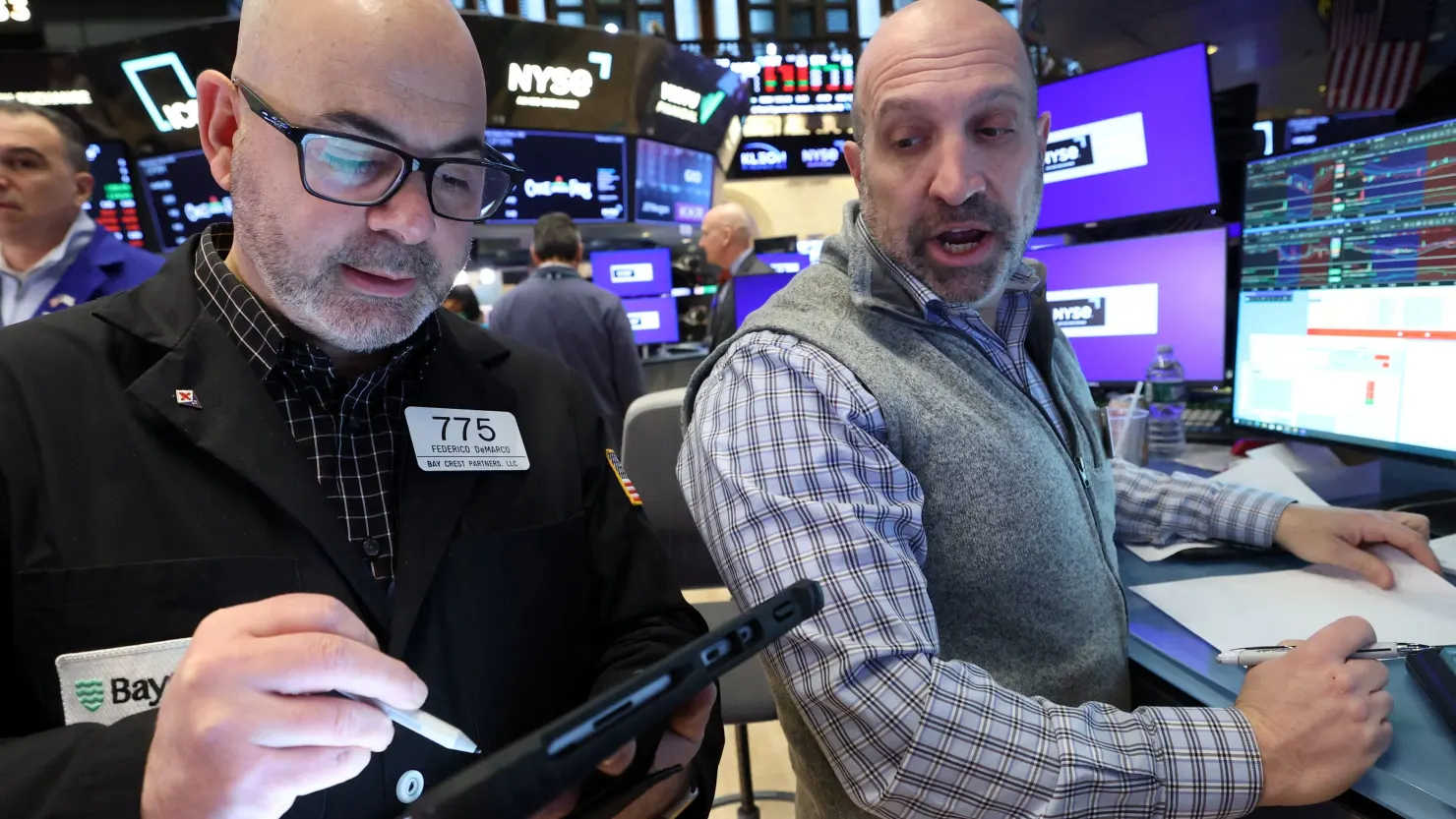
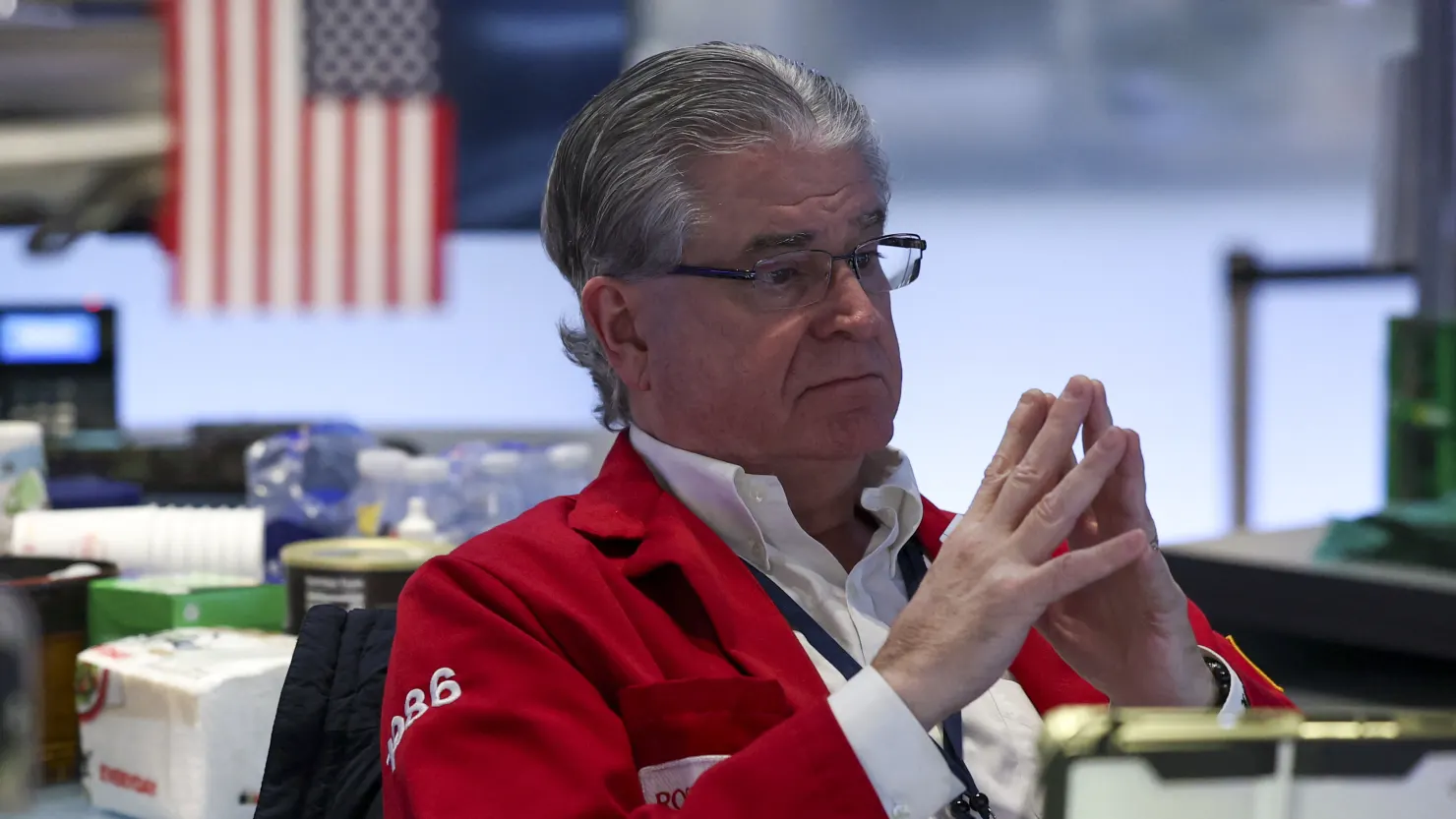
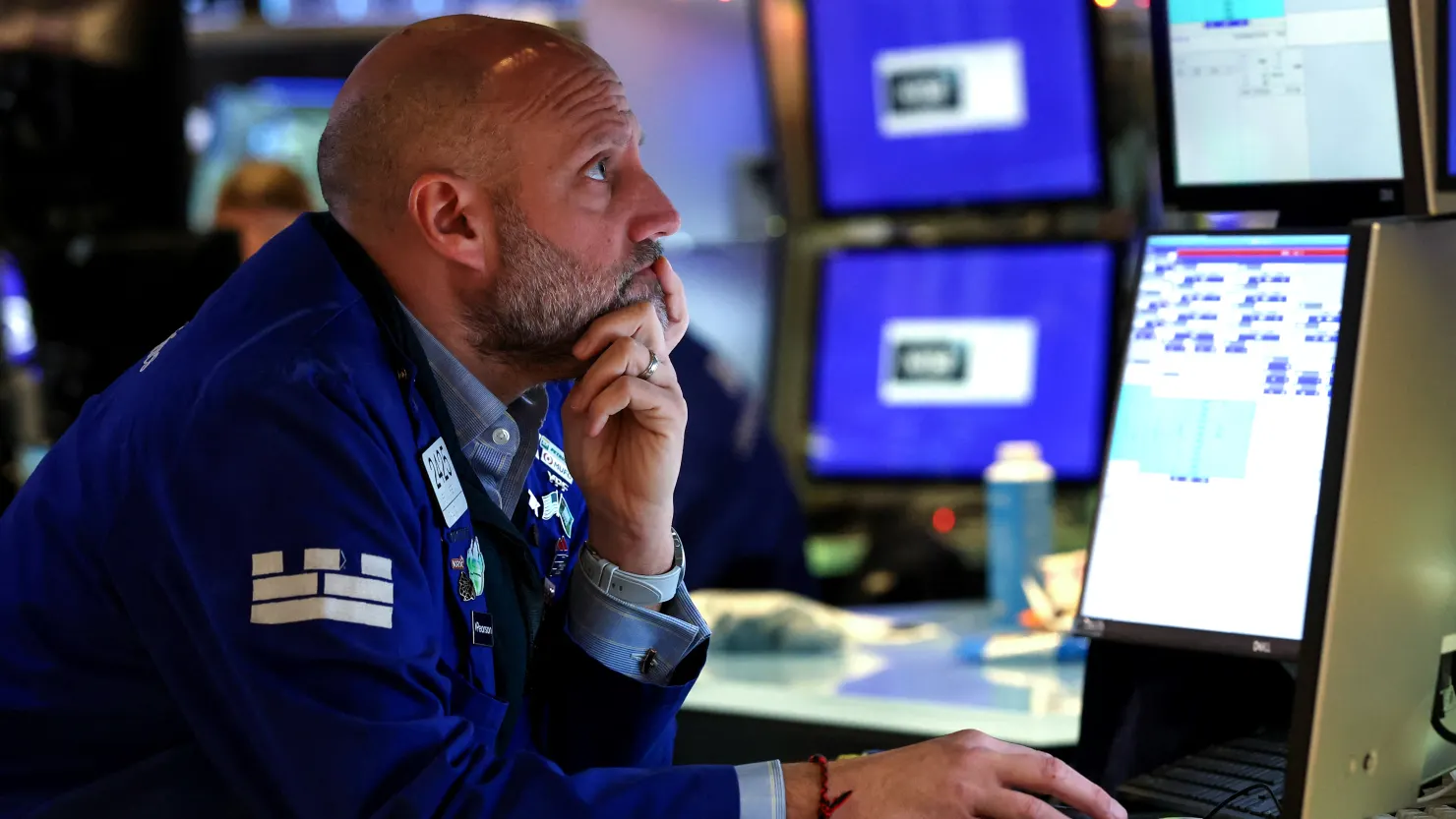
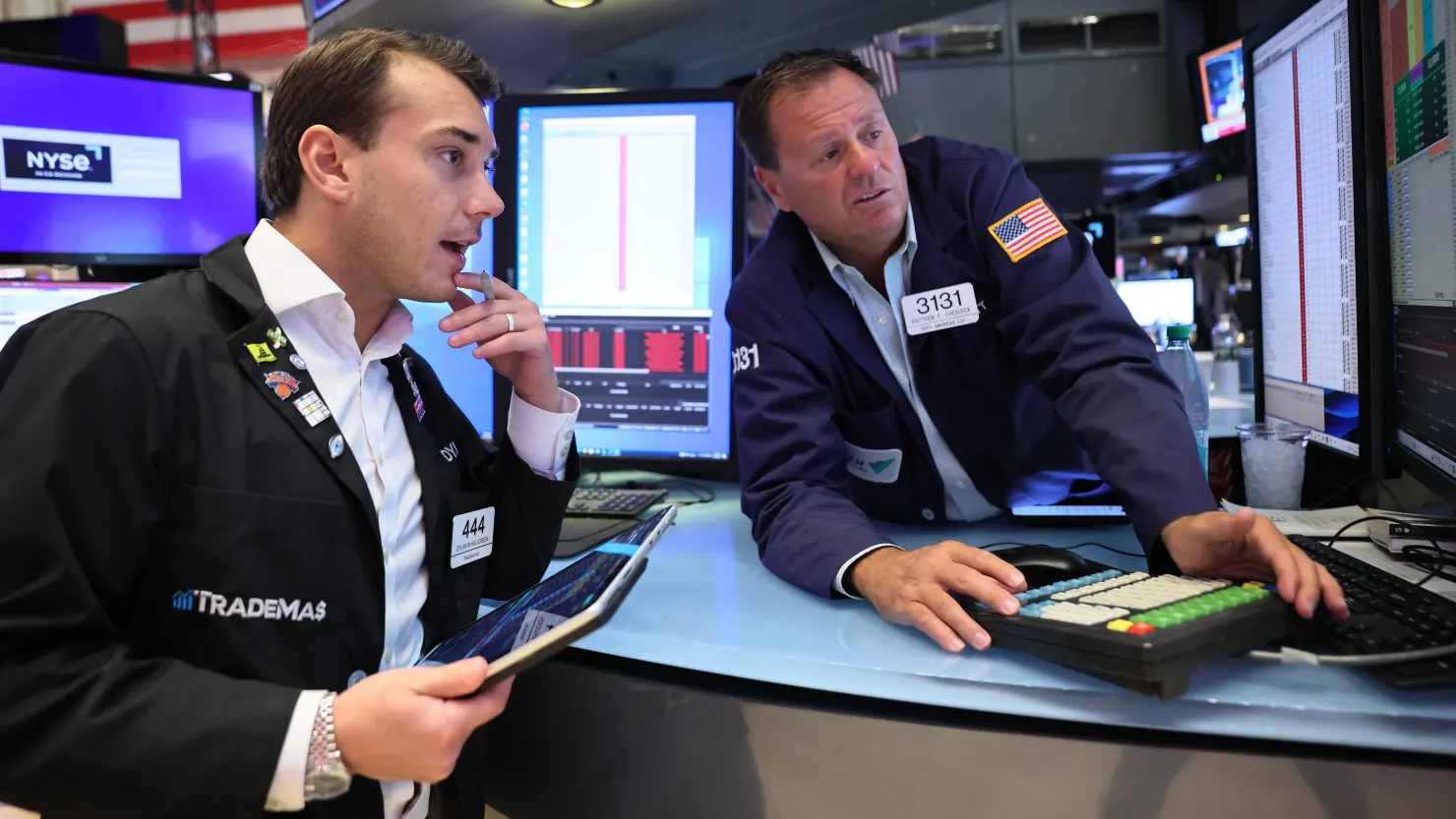
Markets reacted cautiously to the announcement, with stock futures slightly lower Friday morning, though off their session lows once Warsh’s selection became clear.
Analysts suggested Warsh’s previous Fed experience helped calm fears of immediate political interference in rate decisions.
Credibility Seen as Warsh’s Strength
“He has the respect and credibility of the financial markets,” said David Bahnsen, chief investment officer of The Bahnsen Group.
“There was no person who was going to get this job who wasn’t going to be cutting rates in the short term. However, longer term he will be a credible candidate,” Bahnsen added.
Calls for ‘Regime Change’ at the Federal Reserve
Warsh’s Criticism of Current Fed Leadership
Last summer, Warsh publicly called for a “regime change” at the central bank, arguing that the institution had lost credibility under current leadership.
“The credibility deficit lies with the incumbents that are at the Fed,” Warsh said in a July interview — comments that suggest potential friction inside a system traditionally driven by consensus.
Political Pressure and the Fight Over Fed Independence
H2: Justice Department Probe and White House Oversight Debates
Warsh’s nomination comes as the Federal Reserve faces unusual political scrutiny.
The Justice Department recently subpoenaed Powell over the Fed’s construction project, a move Powell called a “pretext” to force looser monetary policy.
Meanwhile, Trump administration officials have floated proposals ranging from tighter White House oversight to direct presidential involvement in interest-rate decisions — raising alarms over the erosion of central bank independence.
Inside the Competitive Search for a New Fed Chair
A Crowded Field of Economic Heavyweights
The nomination capped a broad search that initially included 11 candidates, spanning:
- Current and former Fed officials
- Wall Street executives
- Prominent economists
Finalists reportedly included Christopher Waller, Rick Rieder of BlackRock, and Kevin Hassett, before Trump settled on Warsh.
Trump later praised the other contenders, calling the talent pool “amazing.”
Rieder publicly congratulated Warsh, calling the process “an incredible honor.”
Confirmation Fight Looms in the Senate
H2: Lawmakers Split as DOJ Probe Clouds Process
Warsh now faces a difficult confirmation path.
Sen. Thom Tillis of North Carolina said he would block all Fed nominees until the Justice Department’s investigation into Powell is resolved.
Others, including Senate Banking Committee Chair Tim Scott, voiced strong support, praising Warsh’s deep knowledge of markets and monetary policy.
Economic Risks Facing the Incoming Chair
Inflation, Slowing Labor Markets, and Rate Cut Expectations
Despite Trump’s claims that inflation has been defeated, price pressures remain above the Fed’s 2% target.
At the same time, the labor market has cooled, creating a delicate balancing act for policymakers.
Traders currently expect no more than two additional rate cuts this year, with the benchmark rate drifting toward roughly 3%, viewed as the long-term neutral level.
What Happens Next for Jerome Powell
A Potential Power Struggle Inside the Fed
Though Fed chairs typically step down entirely after losing the top role, Powell still has two years left on his term as a governor — and could choose to remain.
Such a move would position Powell as a counterweight to Trump’s influence over the central bank.
The Supreme Court is already reviewing Trump’s effort to remove another Fed governor, a case that could redefine presidential authority over the institution.
Want to earn some extra money on the side? Buy PCPi Coin or Subscribe to VIP and get dividens monthly.
____
Associated Press, CNBC News, Fox News, and preCharge News contributed to this report.