
 Eduardo Sifuentes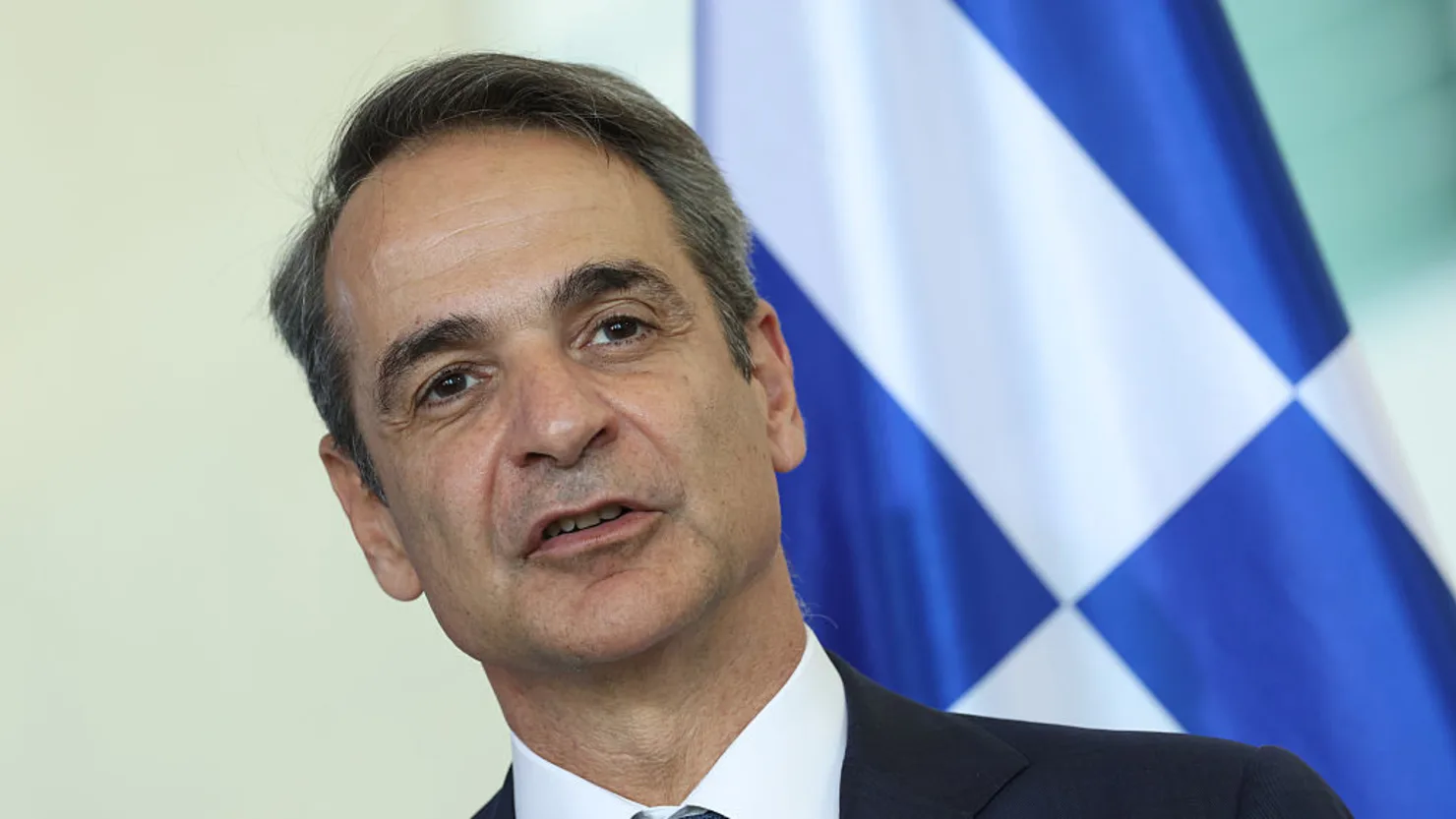

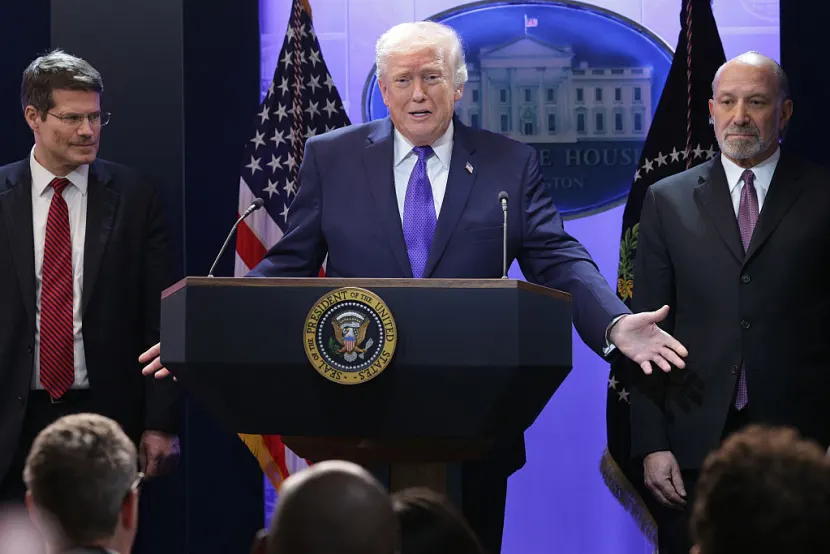
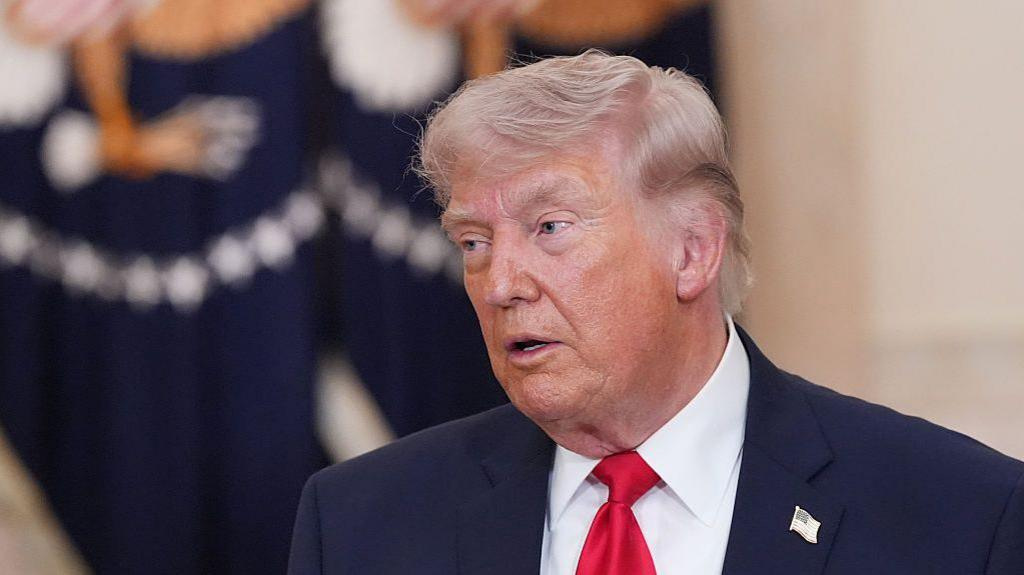
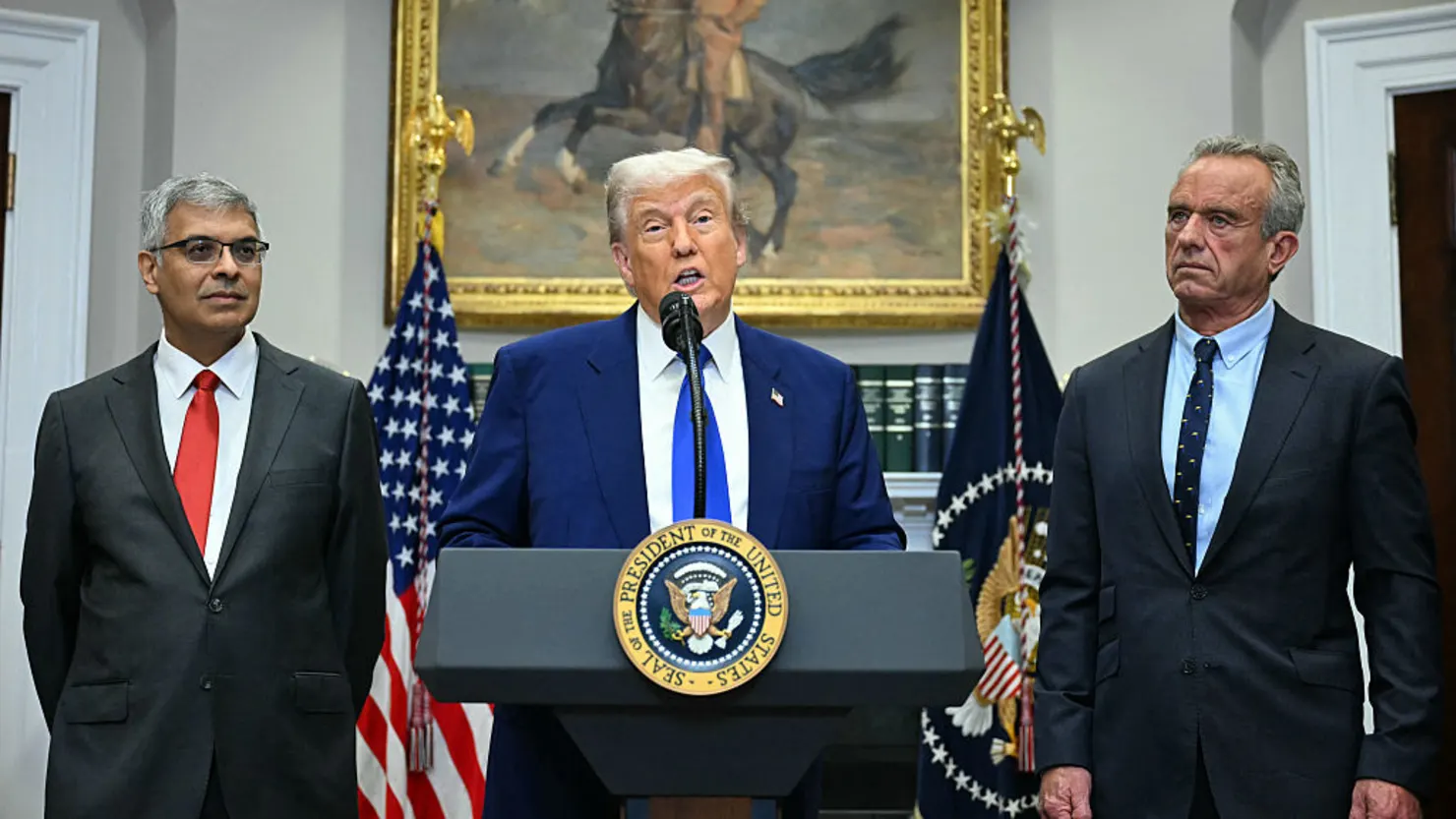
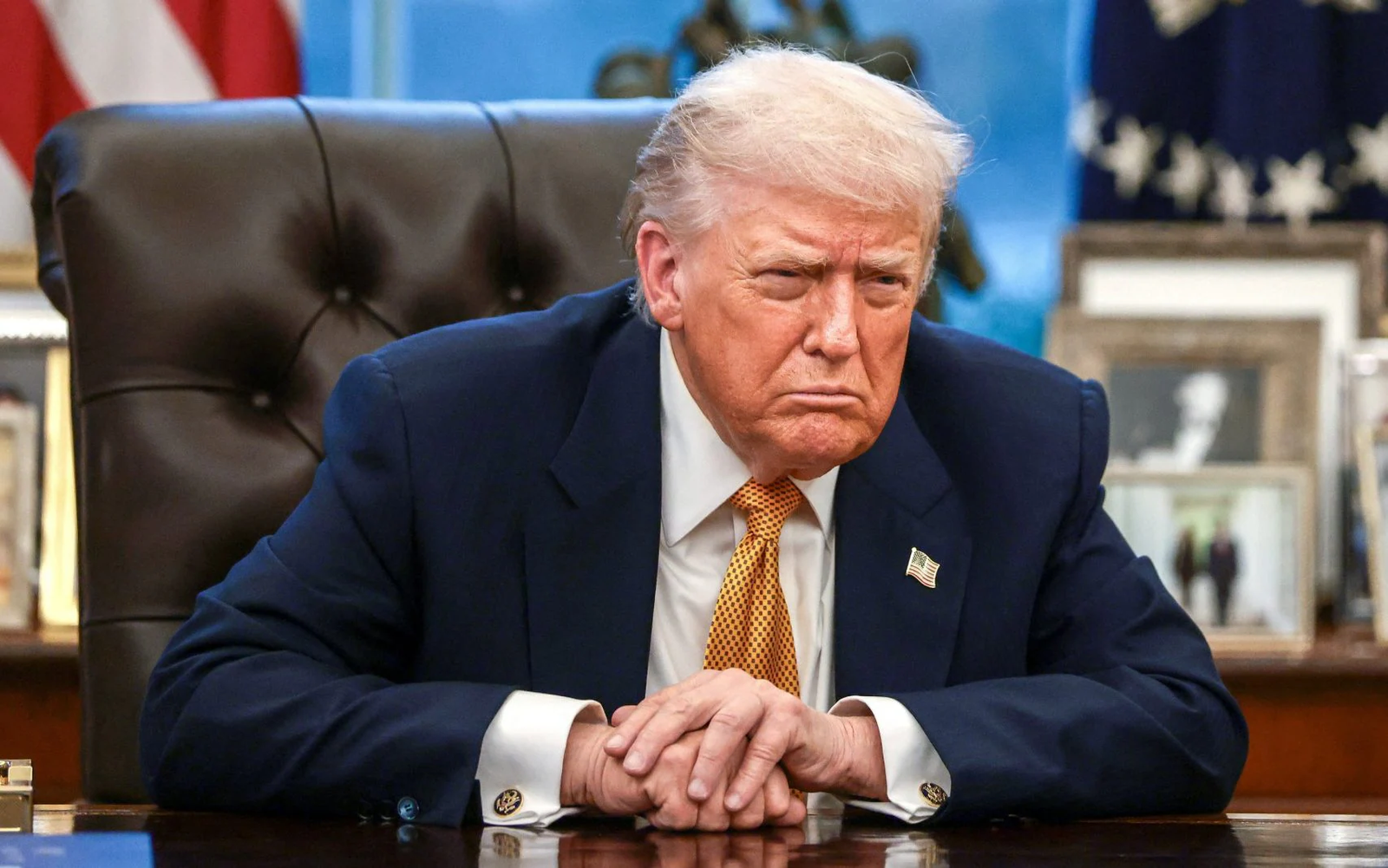
preCharge News POLITICS — As U.S. presidential frontrunner Donald Trump sharpens his campaign rhetoric, one familiar demand is back at the forefront: higher NATO defense spending. Trump wants member nations to boost their military budgets to 5% of GDP, a target that some European leaders are already calling out as unfeasible.
Greece’s Prime Minister Kyriakos Mitsotakis, in an interview aired Friday, pushed back on the proposal. “I think 5%, frankly, is very, very difficult,” he said on CNBC’s “Europe Early Edition”. “If we’re talking about hard defense spending, 3.5% is probably the ceiling of what could be accepted.”
Europe Questions the Math: What Counts as Defense?
Mitsotakis clarified that while he’s open to discussing broader security contributions, the real debate lies in what counts toward the spending. If infrastructure and cyber defense were included, the 5% target might be more attainable in the long term.
“It really depends on how we do the accounting,” he explained.
That caveat underscores the growing split in NATO over spending definitions—and how far member countries are willing to stretch their budgets in an increasingly unstable geopolitical environment.
NATO’s Current Target Is Already a Struggle
Under current NATO guidelines, member nations are expected to spend at least 2% of GDP on defense. Many still fall short of that baseline, prompting Trump’s frequent criticism throughout his presidency and beyond.
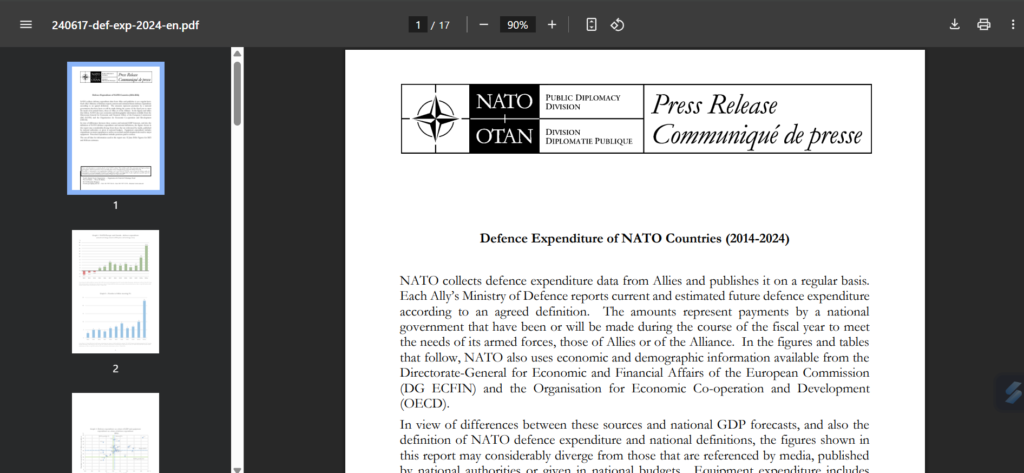
NATO estimates show only three countries exceeded the 3% threshold in 2024: the United States (3.4%), Poland, and Estonia. Poland has already pledged to boost its defense budget to 5% in the near future, making it the exception, not the rule.
Most others remain cautious, fearing that a dramatic spike in defense spending could destabilize national budgets already strained by inflation, energy volatility, and rising public debt.
Rutte’s Middle Ground: A 3.5% Compromise?
Incoming NATO Secretary General Mark Rutte has floated an alternative: increase defense spending to 3.5% of GDP, with an additional 1.5% earmarked for broader security initiatives. It’s a proposal designed to bridge the gap between Trump’s demands and Europe’s fiscal reality.
But some within Europe appear to have already aligned with Trump. Germany’s Foreign Minister Johann Wadephul recently said the 5% mark “is indeed what President Trump believes is necessary, and we are following him in this respect.”
A formal decision on new spending commitments is expected at the upcoming NATO summit in late June.
Greece: A Spending Outlier with an Eye on Turkey
Among NATO’s 31 member states, Greece stands out. The country spent 3.1% of its GDP on defense last year, according to NATO. That’s not a recent development—Athens has consistently exceeded the 2% mark for over a decade.
Why? In part, due to ongoing maritime tensions with Turkey, a regional rival with whom Greece has clashed over borders, oil exploration, and airspace violations.
“We spend more than 3% for very specific reasons,” Mitsotakis said. “And we’ve advocated for EU rule changes to make it easier for us to spend more.”
Those changes are already underway. The European Commission has moved to relax strict fiscal rules, allowing more leeway for military and security-related investment. For Mitsotakis, that’s a sign that Europe is finally waking up to the new defense reality.
Trump Was “Right” About NATO, Greek PM Admits
In a striking moment of candor, Mitsotakis acknowledged that Trump’s original complaints about NATO free-riders were not without merit.
“Donald Trump was right when in 2017 he said you’re not doing your fair share—because we didn’t,” he admitted. “We understand now that there is no free lunch and we cannot free ride.”
Still, he argues that demanding a flat 5% from all members—regardless of their unique economic or security situations—is an oversimplified approach. Even pro-defense nations like Greece say the target should be flexible and based on each country’s strategic posture and threat landscape.
What Comes Next? All Eyes on June
With Trump looming large in U.S. politics once again and global threats escalating from Russia to the Middle East, NATO’s financial future is firmly back in the political spotlight.
If member nations reject the 5% target, Trump could double down on threats to pull back American support. If they comply, the financial burden could stir backlash at home.
The June NATO summit will be more than just a diplomatic gathering. It may become a litmus test for how far Europe is willing to go to meet Trump’s demands—and how far Trump will go if they don’t.
Want to earn some extra money on the side? Buy PCPi Coin or Subscribe to VIP and get dividens monthly.
____
Associated Press, CNBC News, Fox News, and preCharge News contributed to this report.