
 Eduardo Sifuentes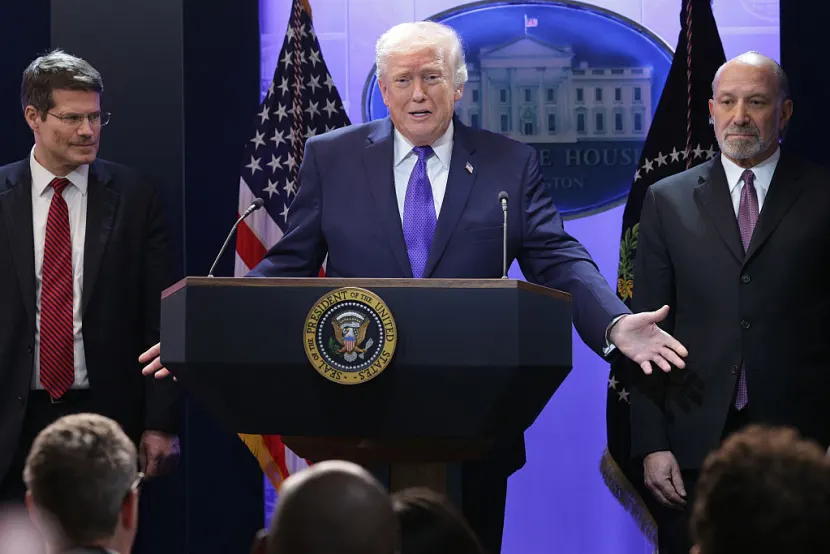

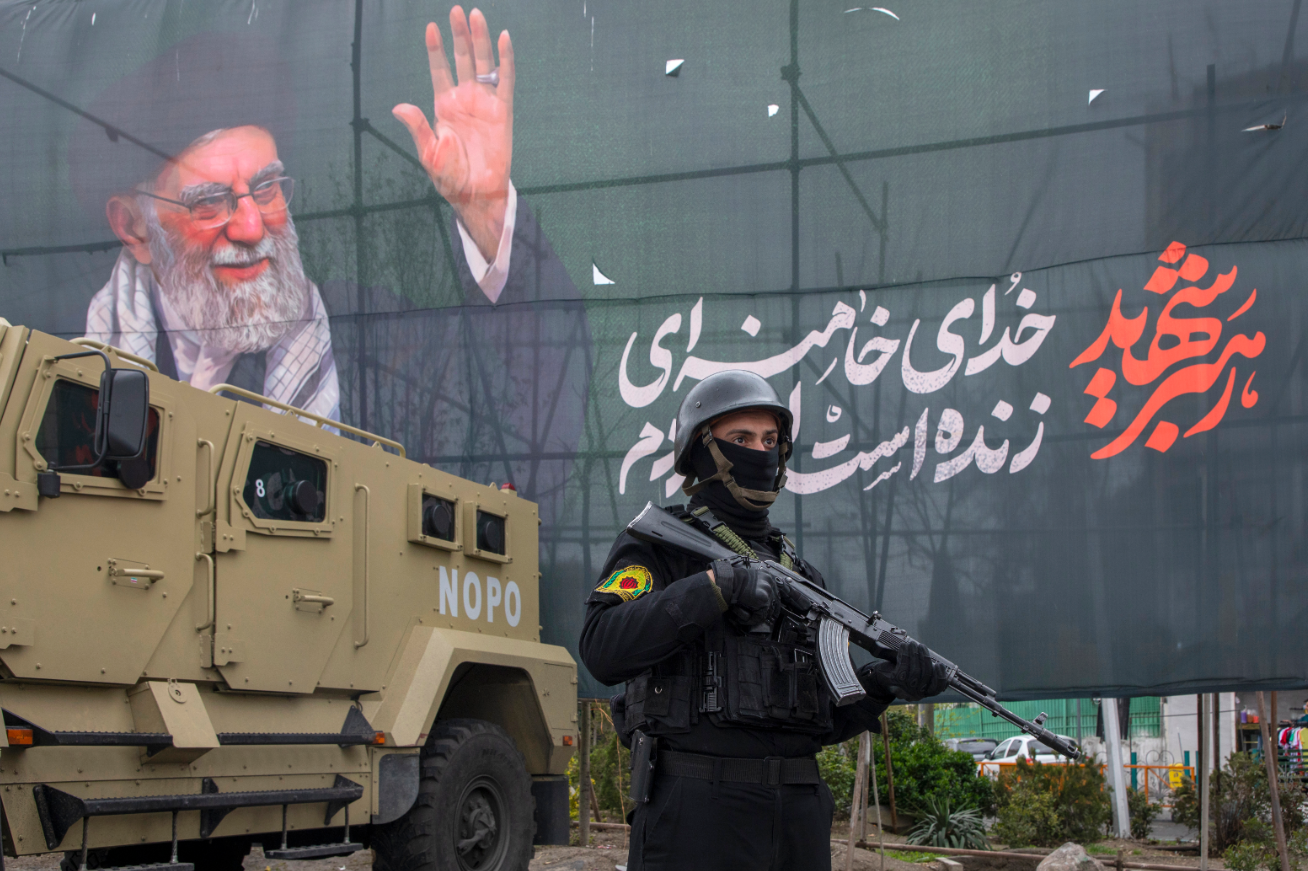
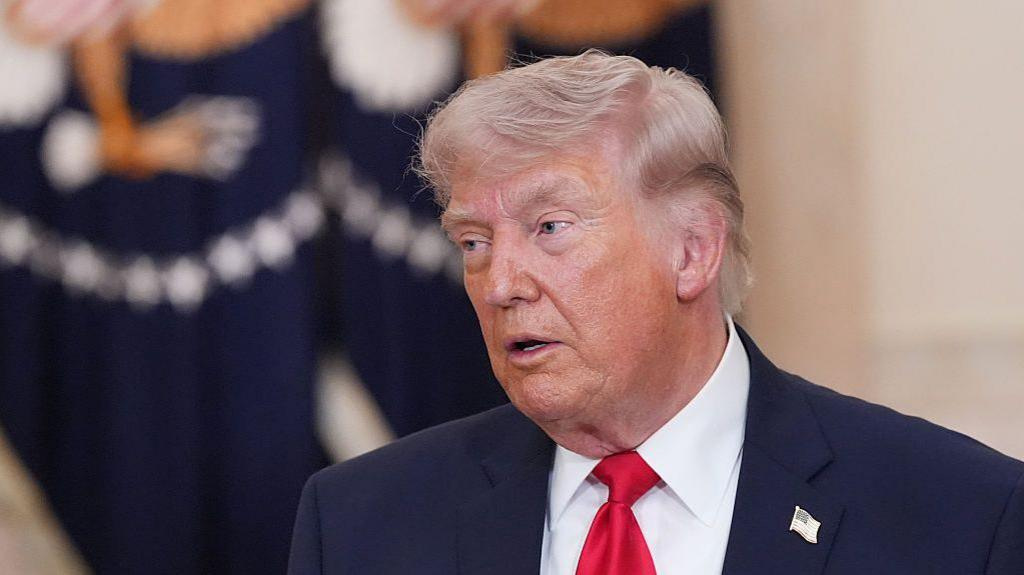
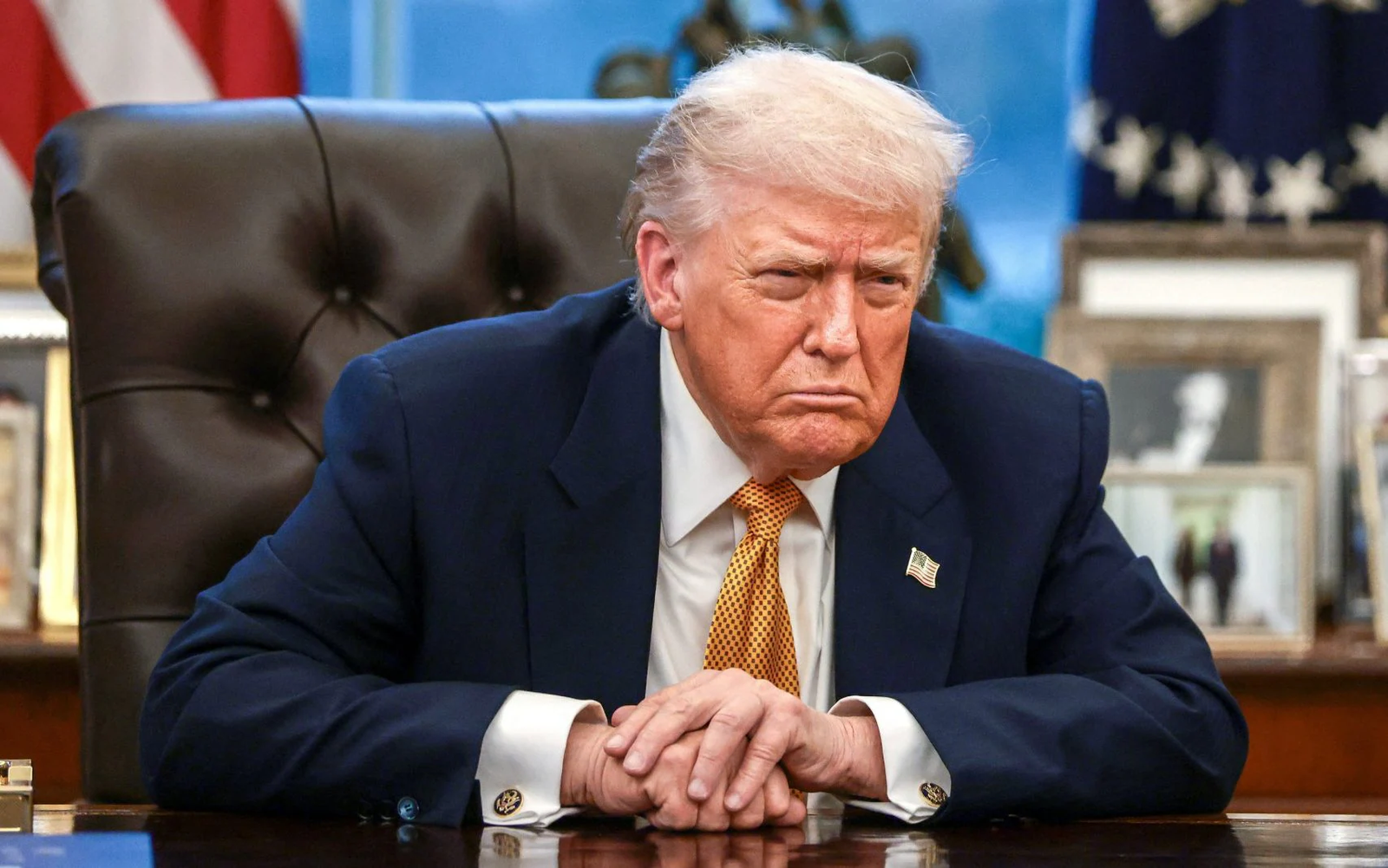
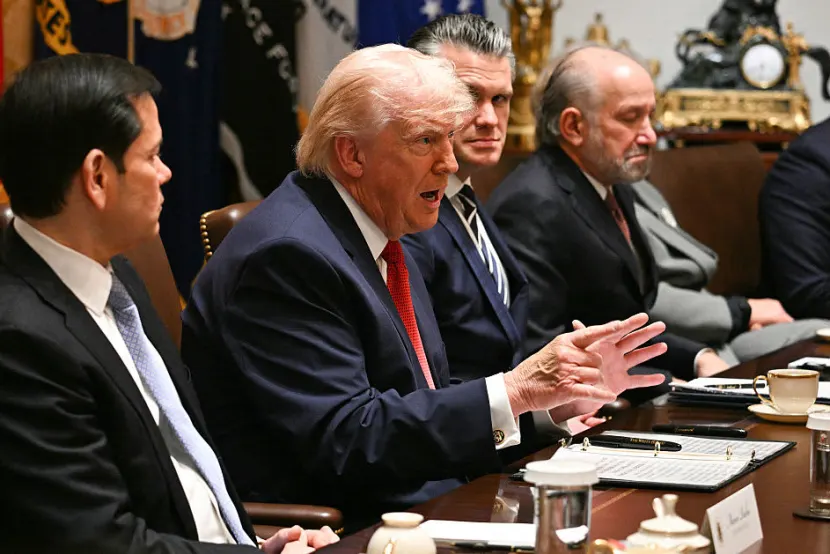
preCharge News POLITICS — President Donald Trump said Friday that he is considering limited military strikes to pressure Iran over its nuclear program, raising geopolitical tensions in the Middle East and reinforcing a risk premium in global oil markets.
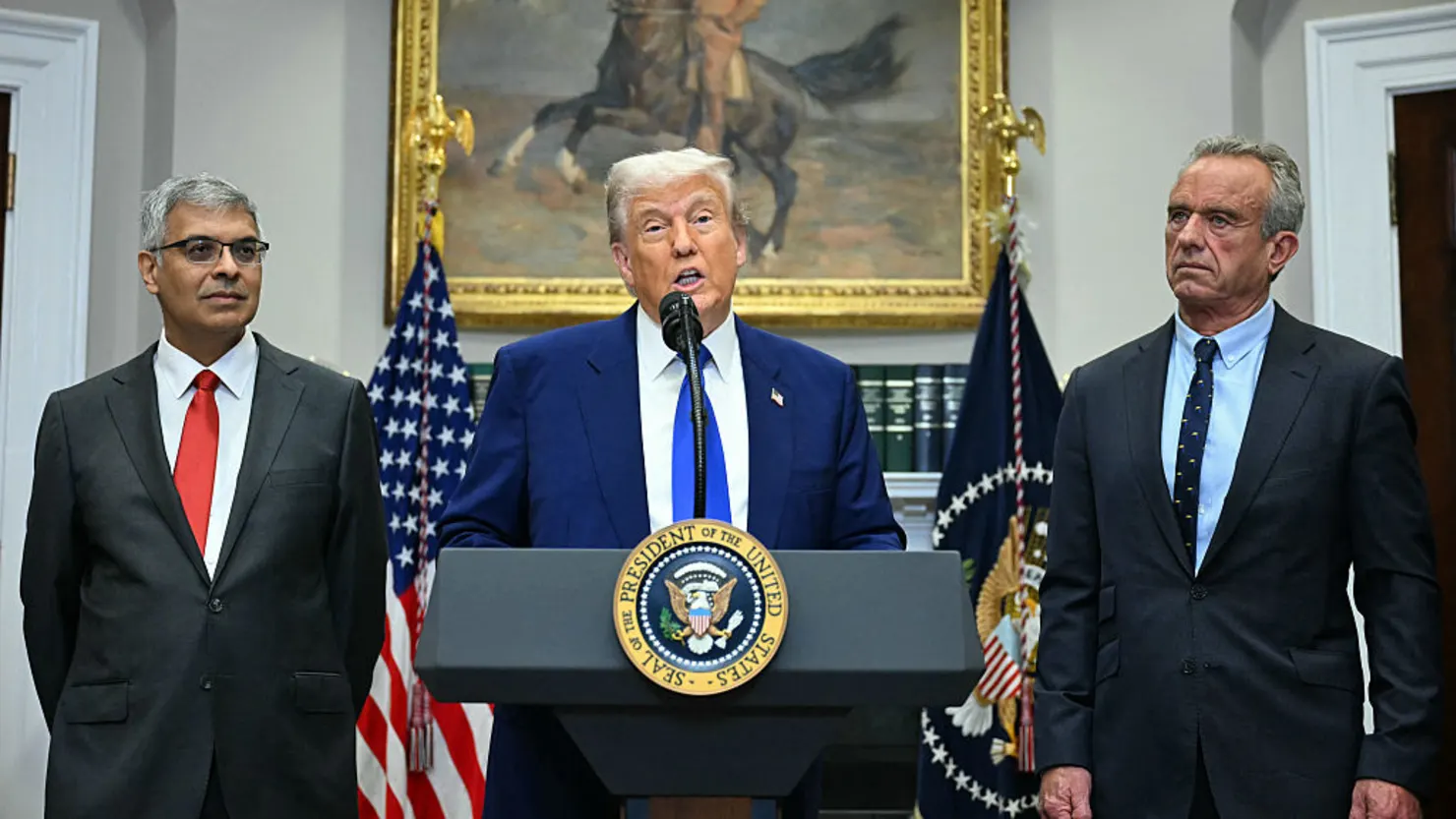
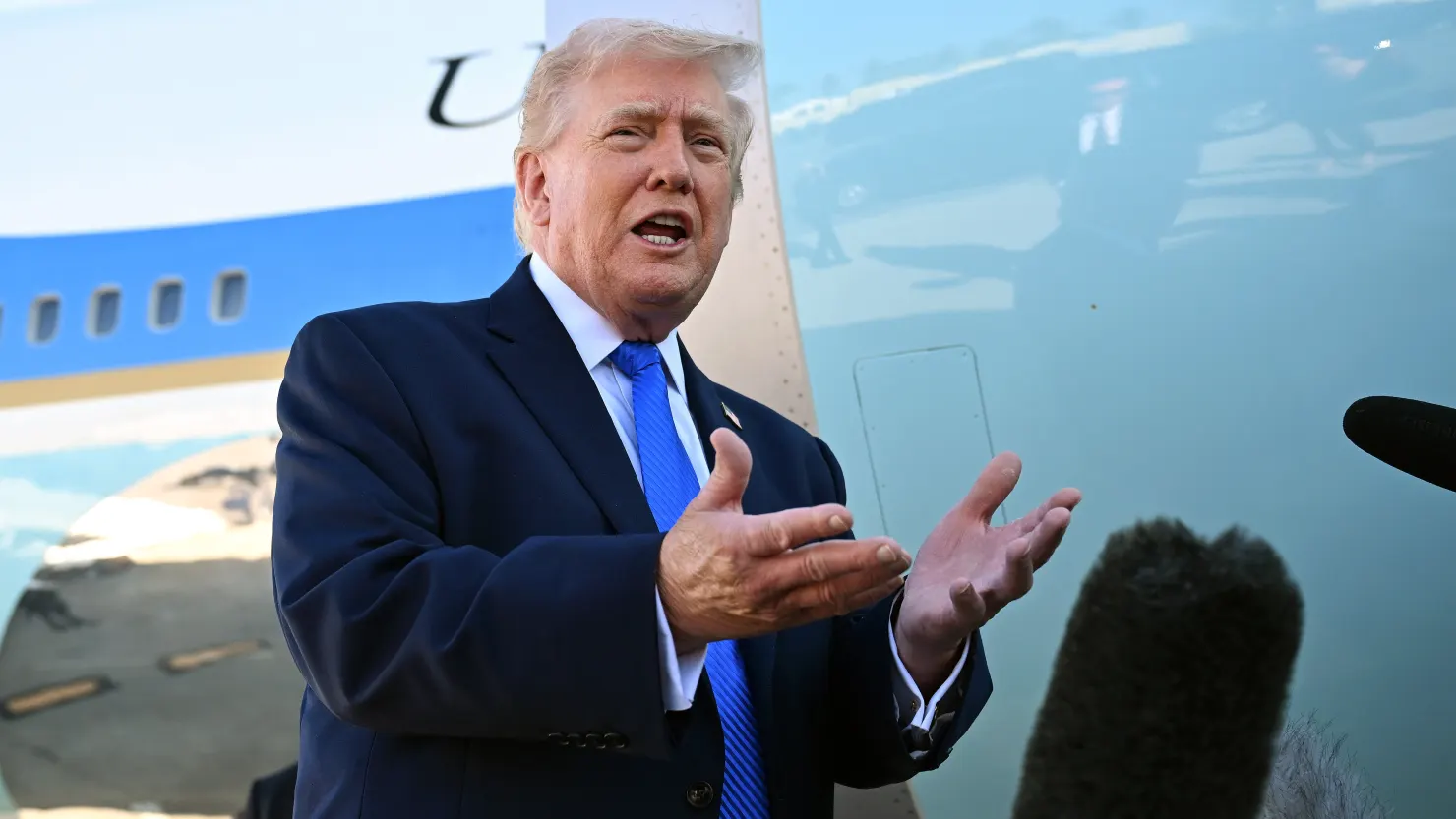
“I guess I can say I am considering that,” Trump told reporters during a White House breakfast with U.S. governors.
Decision Timeline Leaves Door Open to Diplomacy
Trump Signals Military Option but Keeps Talks Alive
Trump said Thursday that he expects to decide within the next 10 to 15 days whether to carry out an attack on the Islamic Republic, while leaving open the possibility that a diplomatic agreement could still be reached with Tehran.
The president has previously warned that any U.S. attack on Iran would be “far worse” than the limited strikes carried out by the U.S. in June against Iranian nuclear facilities, underscoring the potential scale of escalation under consideration.
Oil Prices Stabilize After Geopolitical Rally
Energy Markets Hold Gains After Volatile Week
Oil prices were little changed Friday after rallying more than 5% earlier in the week, as traders priced in the risk of imminent U.S. military action.
- U.S. crude oil fell 4 cents to settle at $66.39 per barrel
- Brent crude, the global benchmark, rose 10 cents to $71.76 per barrel
Market participants remain cautious, balancing near-term geopolitical risk against broader supply-and-demand fundamentals.
U.S. Military Buildup Intensifies in the Middle East
Aircraft Carriers Deployed as Tensions Rise
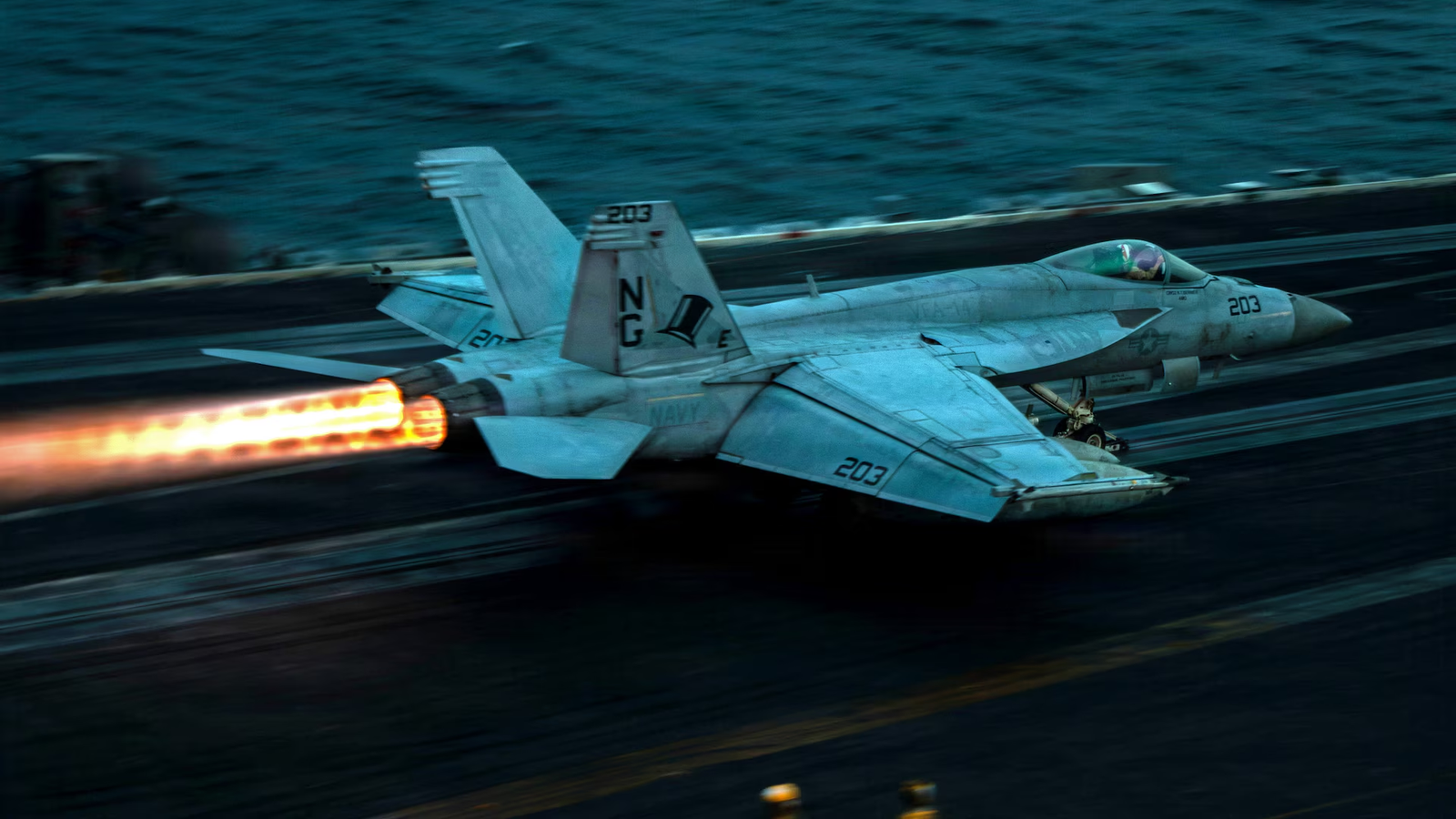
A substantial U.S. military buildup is underway across the region. The USS Abraham Lincoln aircraft carrier is already stationed in the Middle East, while a second carrier, the USS Gerald Ford, is en route.
The deployments are widely viewed as a signal of deterrence — and preparedness — as Washington weighs its next steps.
Strait of Hormuz Remains Central Market Risk
Oil Traders Fear Prolonged Supply Disruption
The oil market’s primary concern is that a direct conflict between the U.S. and Iran could disrupt crude flows through the Strait of Hormuz, one of the world’s most critical energy chokepoints.
More than 14 million barrels per day of oil and condensates transited the strait on average in 2025, according to data from Kpler, accounting for roughly one-third of global seaborne oil exports.
Asia Most Exposed to Hormuz Disruption
China and Key Asian Economies at Risk
Approximately three-quarters of the oil passing through the Strait of Hormuz is shipped to China, India, Japan, and South Korea, making Asian economies particularly vulnerable to any prolonged disruption.
Analysts say even limited military action could sharply raise shipping insurance costs, delay tanker traffic, and push oil prices higher — even without a full closure of the strait.
Want to earn some extra money on the side? Buy PCPi Coin or Subscribe to VIP and get dividens monthly.
____
Associated Press, CNBC News, Fox News, and preCharge News contributed to this report.