 Eduardo Sifuentes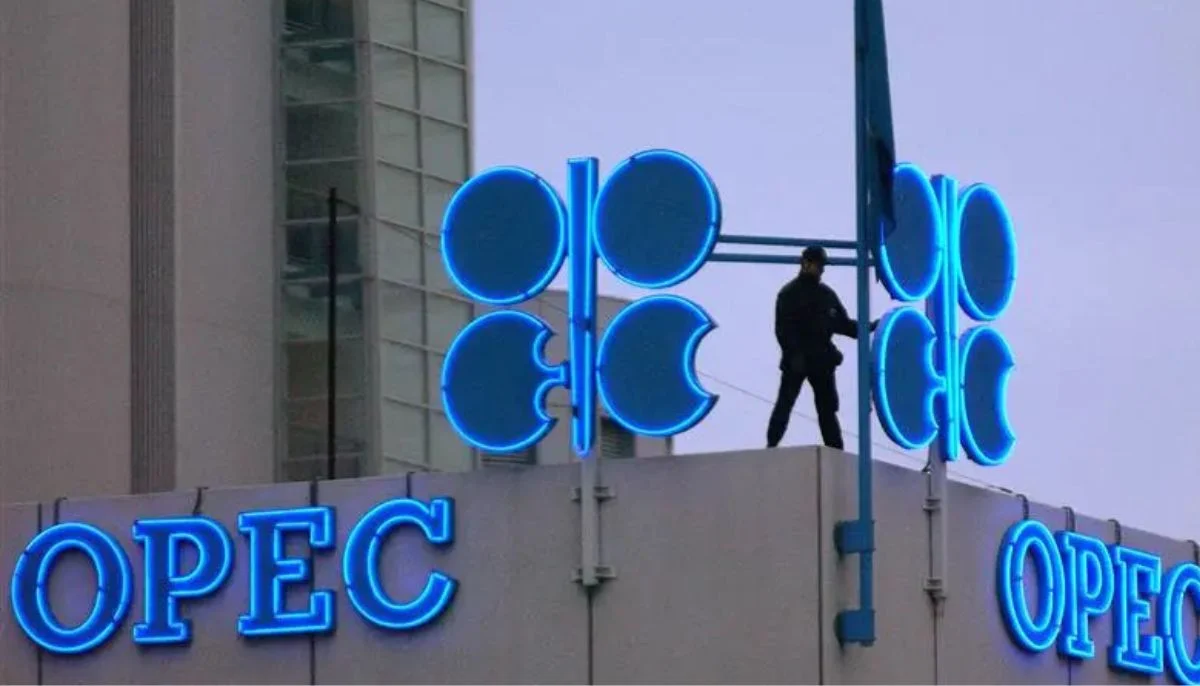

preCharge News BUSINESS — The United Arab Emirates announced Tuesday that it will exit OPEC on May 1, in a major blow to the cartel that coordinates production among many of the world’s largest oil producers.
The move marks a significant shift for one of the group’s most influential members and comes at a time of heightened geopolitical instability in the Middle East.
Longstanding Member Steps Away
The UAE was the third-largest producer in OPEC in February, behind Saudi Arabia and Iraq. It joined OPEC in 1967, seven years after the organization was founded, and has played a key role in shaping production policy.
Iran Conflict and Hormuz Disruptions Drive Pressure
The announcement follows weeks of missile and drone attacks on the UAE by fellow OPEC member Iran, underscoring rising tensions within the region.
Strait of Hormuz Crisis Hits Exports
Iran’s blockade of the Strait of Hormuz has severely constrained the UAE’s ability to export oil, threatening a cornerstone of its economy. The strategic waterway is one of the world’s most critical routes for energy shipments.
UAE Cites National Interest and Market Flexibility
The UAE did not explicitly detail the timing of its decision but said it followed a comprehensive review of its production policy and capacity.
Strategic Independence From OPEC
The country’s energy ministry emphasized that leaving OPEC will provide greater flexibility to respond to rapidly changing global market conditions.
“We reaffirm our appreciation for the efforts of both OPEC and the OPEC+ alliance and wish them success,” the ministry said in a statement.
Want to earn some extra money on the side? Buy PCPi Coin or Subscribe to VIP and get dividens monthly.
____
Associated Press, CNBC News, Fox News, and preCharge News contributed to this report.