 Eduardo Sifuentes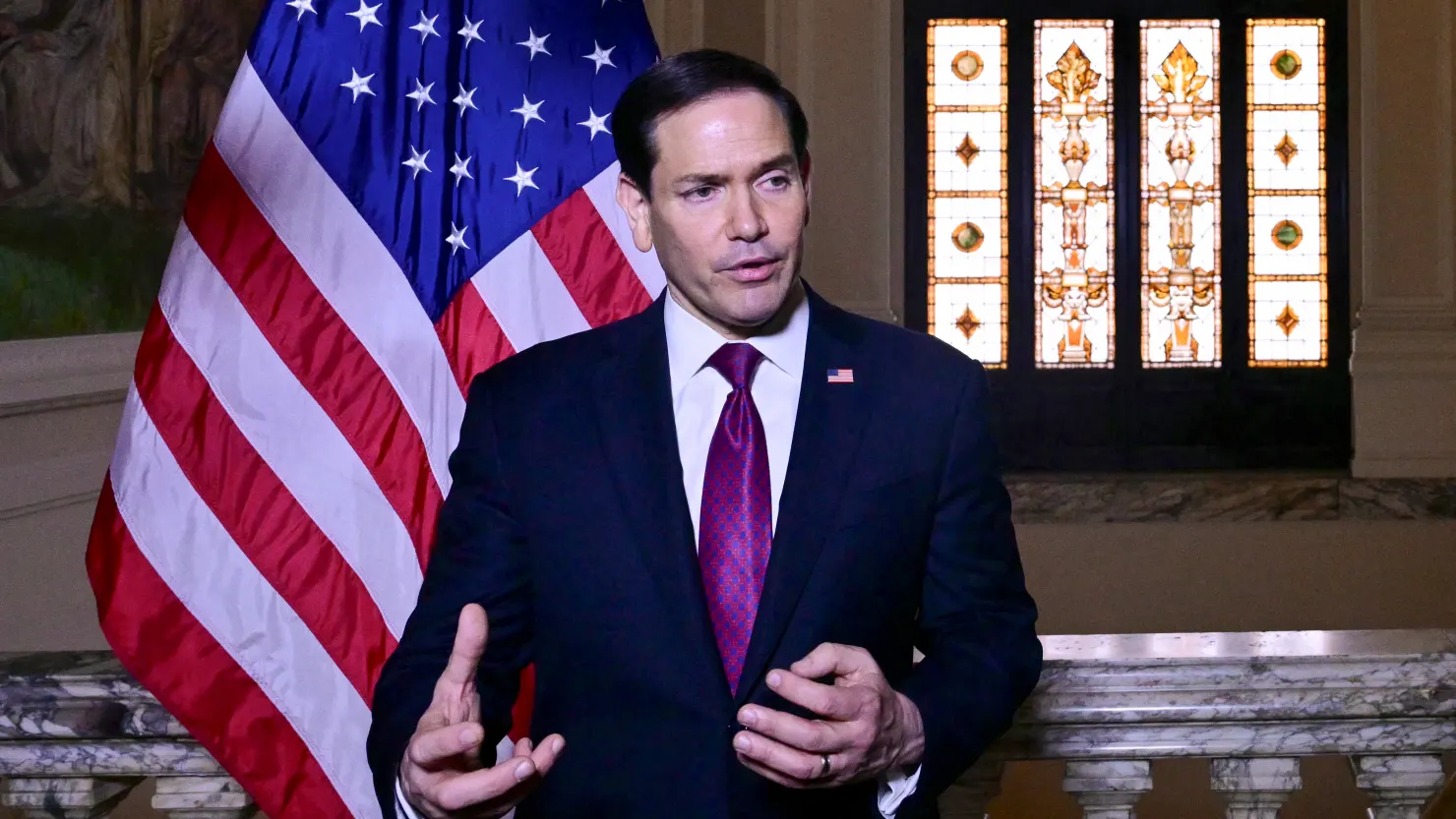

preCharge News POLITICS — U.S. Secretary of State Marco Rubio said the U.S. is expecting a response on Friday from Iran on the proposal to end the war.
“We should know something today. … We’re expecting a response from them,” Rubio told reporters in Rome on Friday while visiting Pope Leo XIV, when asked about the status of negotiations with Iran.
“We’ll see what the response entails. The hope is it’s something that can put us into a serious process in negotiation.”
Iran said Thursday it is reviewing messages from the U.S. received via Pakistani mediators, but it has yet to reach a conclusion or deliver a reply, according to Iranian state media, citing an Iranian official.
Reports Suggest Draft Framework for Ending Conflict
Axios and other news outlets reported earlier this week that the countries were nearing a 14-point memorandum of understanding to put an end to the war and resume talks around Iran’s nuclear program.
Rubio’s comments come amid confusion over whether a ceasefire between Iran and the U.S. is still in effect, as both have opened fire in the Strait of Hormuz, accusing the other of initiating attacks.
Trump Insists Ceasefire Remains Active
President Donald Trump on Thursday insisted the ceasefire was still in effect, calling the strikes “just a love tap.” Trump also said the Iranians wanted to “make a deal very much.”
Strait of Hormuz Remains Central Flashpoint
“We’ve seen a report overnight that Iran has established, or trying to establish, some agency that’s going to control traffic in the straits. That would be [a] problem. That would actually be unacceptable,” Rubio said Friday.
The blockade of the narrow waterway, which normally carries around a fifth of global oil supply, has caused a global energy shock. The International Energy Agency has called the situation “the biggest energy security threat in history.”
Oil Markets and Global Security Concerns Intensify
The Strait of Hormuz remains one of the world’s most critical maritime trade routes, linking Gulf energy exporters to global markets. Continued instability in the region has intensified concerns about supply disruptions, inflation pressures, and broader geopolitical escalation.
Energy analysts and policymakers are closely watching Iran’s response to the U.S. proposal, with financial markets likely to react sharply to any indication of either diplomatic progress or renewed military confrontation.
Want to earn some extra money on the side? Buy PCPi Coin or Subscribe to VIP and get dividens monthly.
____
Associated Press, CNBC News, Fox News, and preCharge News contributed to this report.