 Eduardo Sifuentes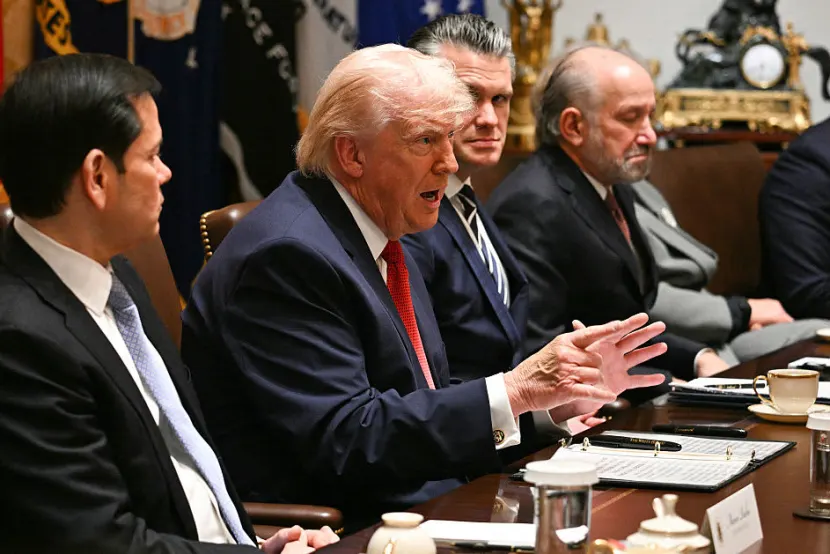

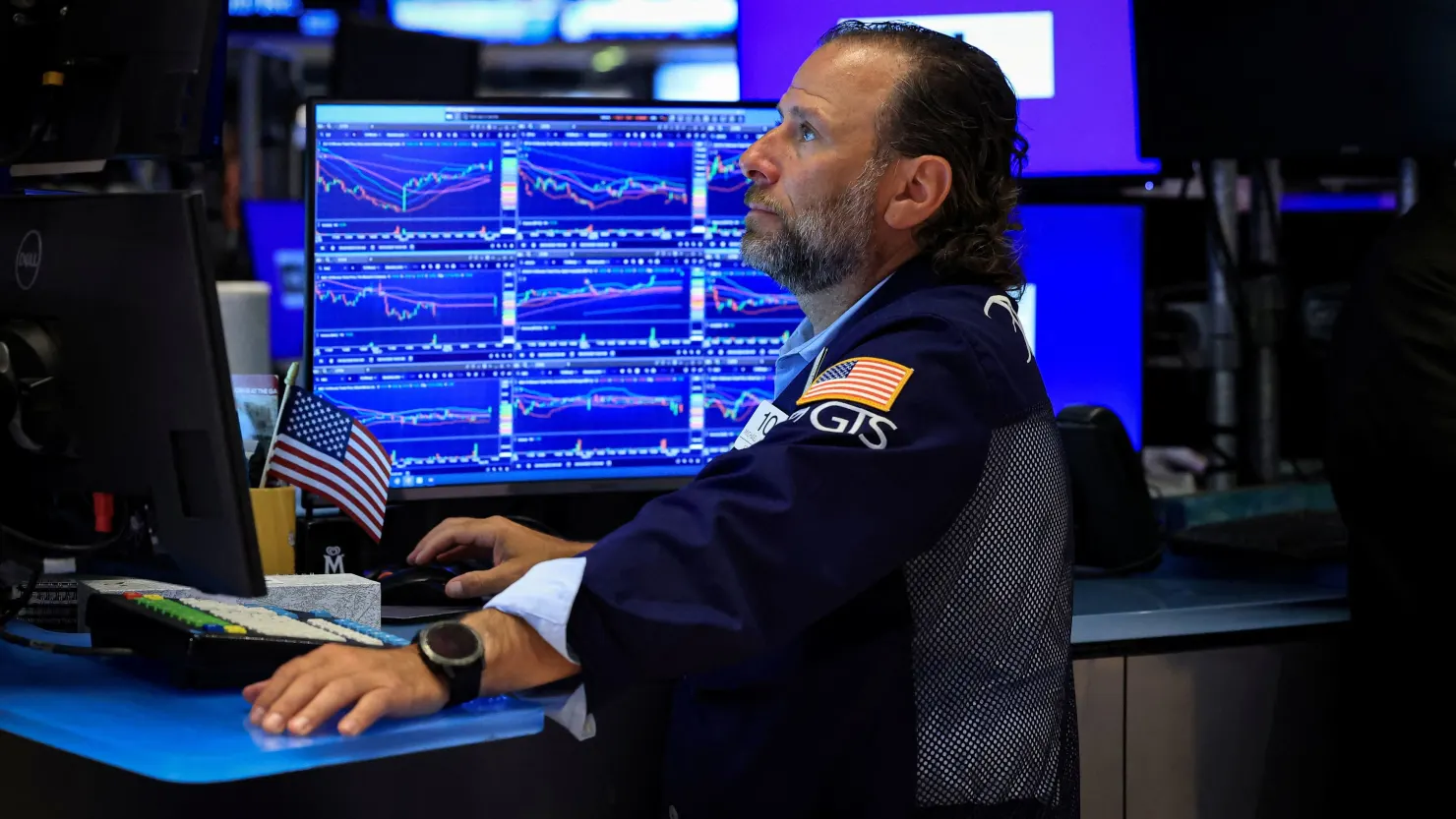
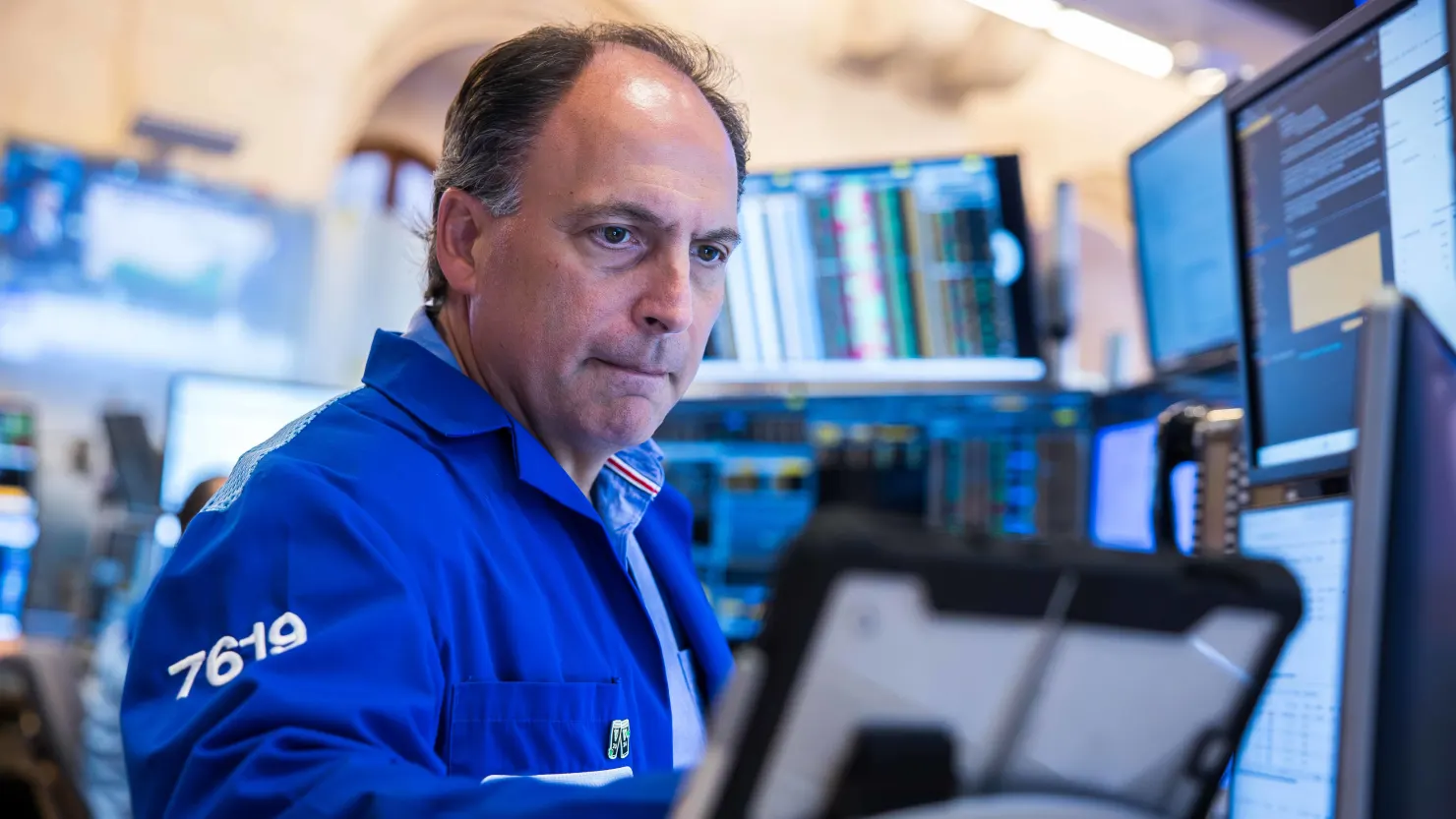
preCharge News POLITICS — Markets rallied Monday after the United States and Iran reached a preliminary agreement aimed at ending their nearly four-month conflict, a development that eased fears of a prolonged energy crisis and sent oil prices and bond yields lower.
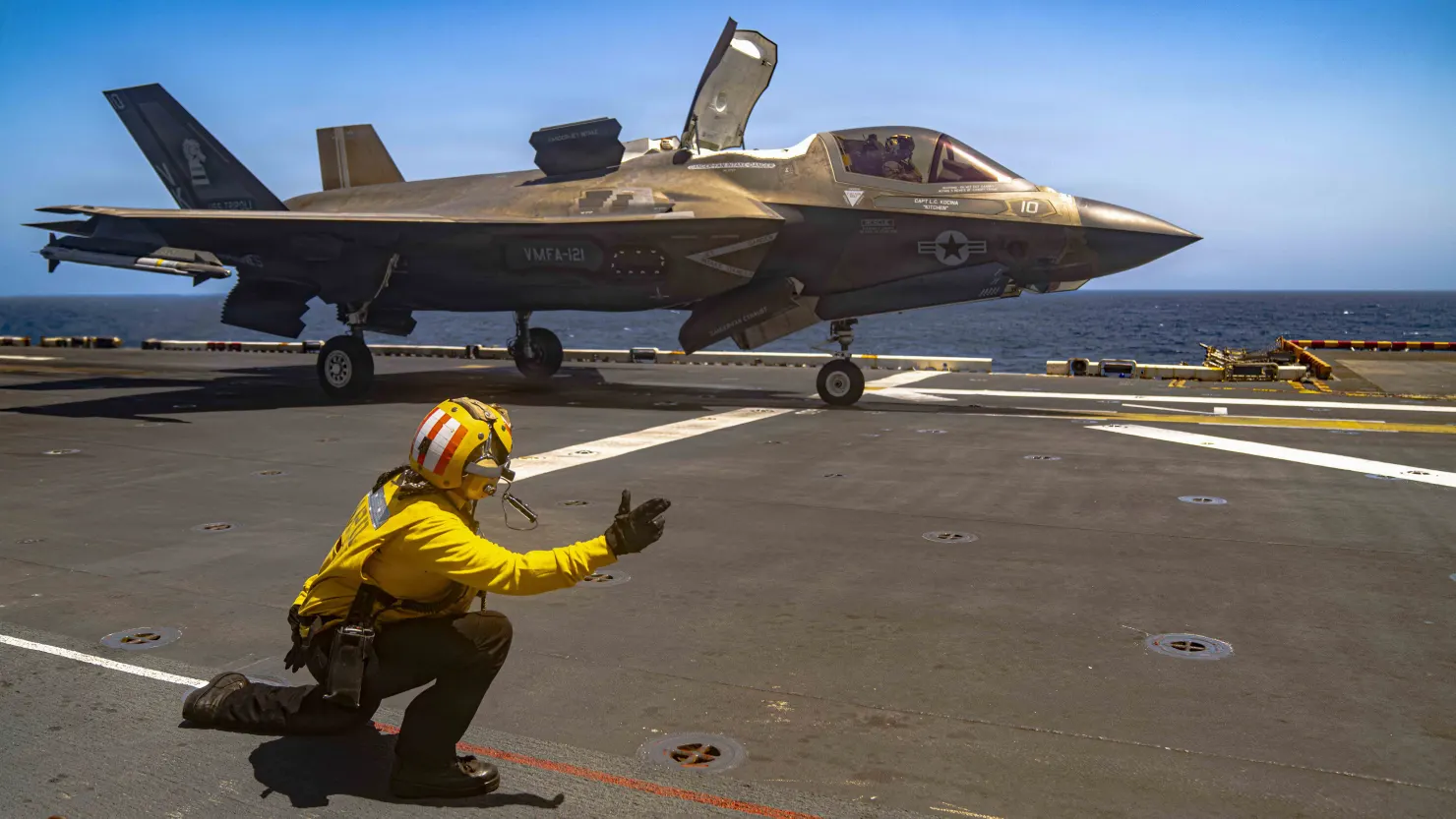
While no final peace treaty has been signed, both sides agreed to a memorandum of understanding and a temporary military stand-down, with the reopening of the strategically vital Strait of Hormuz emerging as a central part of the agreement.
The potential breakthrough has raised hopes for a broader diplomatic settlement, though major questions remain over Iran’s nuclear program, sanctions relief, and regional security guarantees.
U.S. and Iran Reach Preliminary Agreement After Months of Conflict
Iran’s deputy foreign minister Kazem Gharibabadi said the agreement text had been finalized and would be signed Friday in Geneva.
He announced that “a permanent and immediate end to the war has been declared on all fronts,” while adding that further negotiations would focus on unresolved issues.
President Donald Trump also said the United States and Iran had reached an understanding, describing the agreement as a major step toward ending the conflict.
However, officials have not yet released the full text of the memorandum, leaving key details unclear.
The agreement reportedly includes:
- A ceasefire extension
- Future nuclear negotiations
- Discussions on sanctions relief
- Steps toward reopening international shipping routes
Strait of Hormuz Reopening Becomes Key Test of Deal
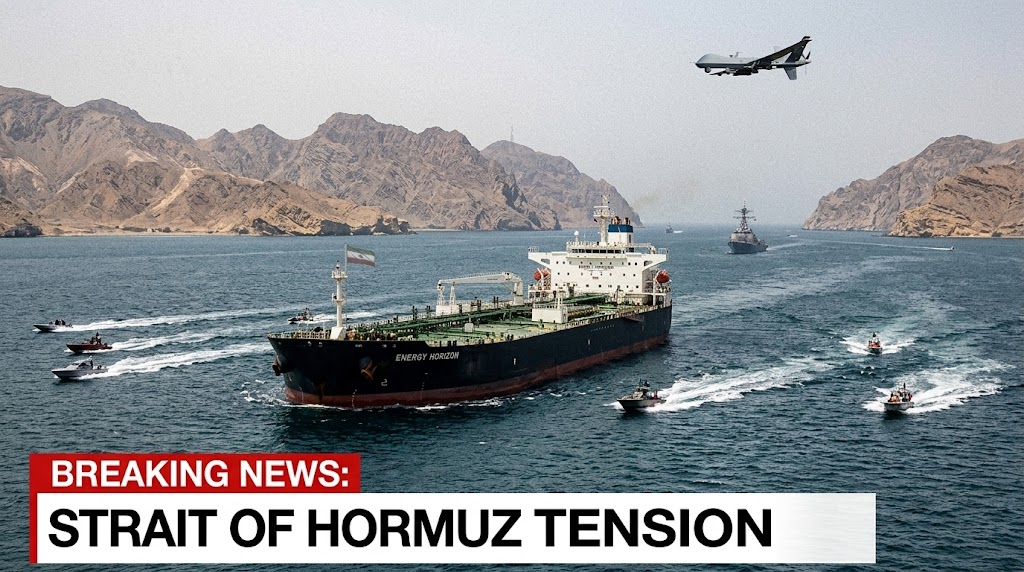
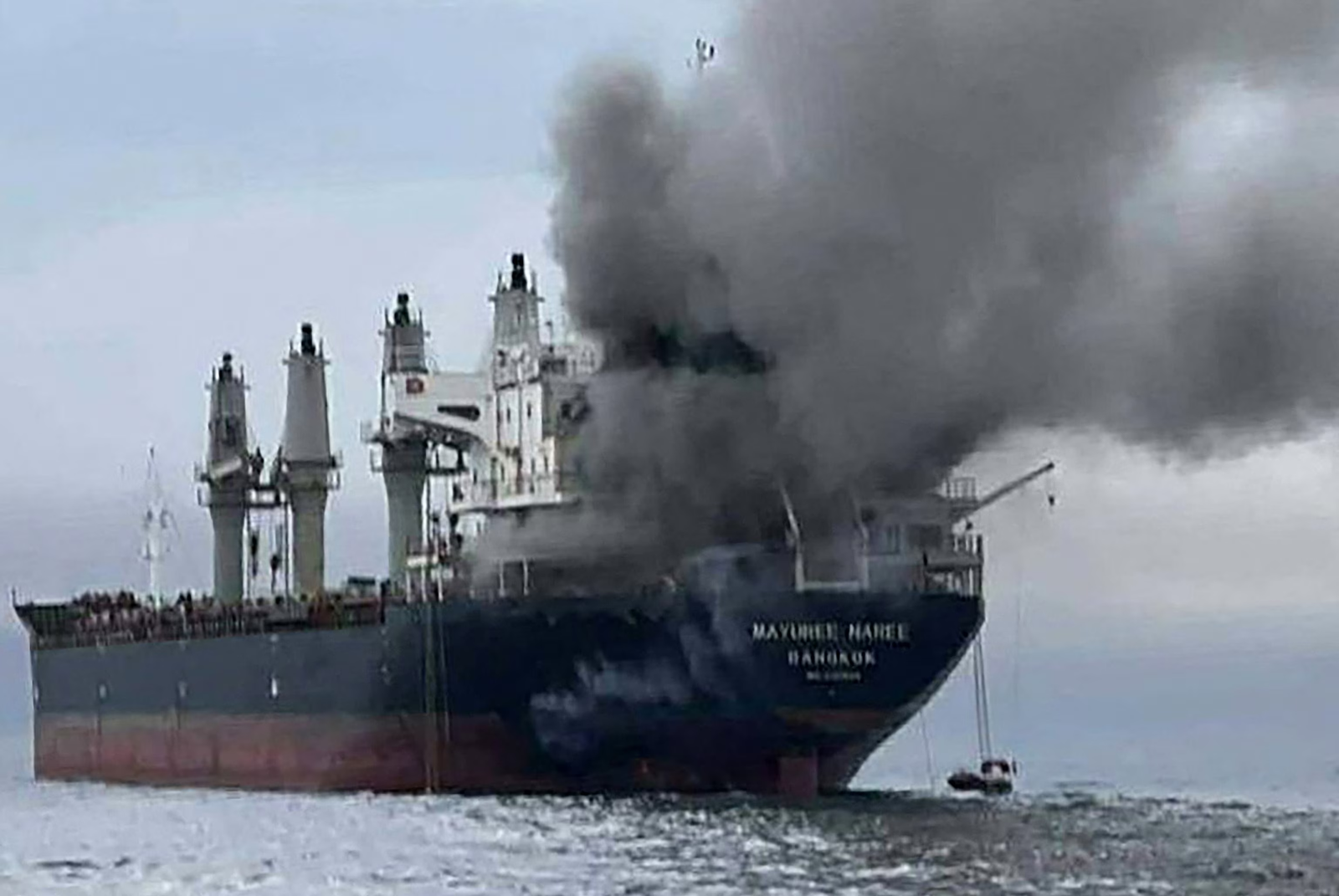
The Strait of Hormuz remains one of the biggest issues surrounding the agreement.
The narrow waterway, located between Iran and Oman, carries a significant share of global energy shipments and became a major flashpoint during the conflict.
Trump said the strait would reopen after the Geneva signing ceremony, posting:
“Let the oil flow!”
The U.S. president said the reopening would occur without tolls and authorized the removal of the U.S. naval blockade.
Iranian media reported that reopening the waterway would depend on Tehran’s own arrangements, suggesting possible disagreements remain.
Qatar welcomed the agreement and emphasized the importance of restoring freedom of navigation.
Is the Iran War Actually Over?
Although fighting has paused, analysts warn that the agreement does not represent a complete peace settlement.
The framework reportedly extends the ceasefire for 60 days while Washington and Tehran negotiate broader issues, including:
- Iran’s nuclear capabilities
- Uranium enrichment limits
- Sanctions
- Regional military activity
Trump reiterated that Iran would never be allowed to obtain a nuclear weapon and warned that military action could resume if negotiations fail.
Middle East analysts said the agreement reduces immediate risks but does not eliminate long-term tensions.
Nuclear Program Remains the Biggest Challenge
Iran’s nuclear ambitions remain one of the most difficult issues in negotiations.
The United States has demanded restrictions on Iran’s enrichment capabilities, while Tehran has historically insisted on maintaining what it describes as its legitimate nuclear rights.
The agreement is expected to create a pathway for future nuclear discussions, but the two sides remain divided over verification, enforcement, and sanctions relief.
Israel’s Role Raises Questions About Long-Term Stability
Israel was not listed as a formal participant in the agreement despite being deeply involved in the conflict.
Israeli officials have expressed concerns about Iran’s nuclear activities and regional influence.
Defense Minister Israel Katz said Israel’s military would continue operations in strategic areas, including parts of Lebanon, Gaza, and Syria.
The lack of Israeli involvement could become a major factor affecting whether the ceasefire holds.
Who Could Attend the Geneva Signing Ceremony?
The final attendee list could signal how much political support the agreement has inside Iran.
Potential participants include:
- Iranian Foreign Minister Abbas Araghchi
- Parliamentary Speaker Mohammad Bagher Ghalibaf
- Senior security officials
On the U.S. side, officials including Vice President JD Vance and envoy Steve Witkoff have been mentioned as possible participants.
Regional involvement from countries such as Saudi Arabia and the United Arab Emirates could also indicate broader Middle Eastern support.
Markets React as Energy Risks Ease
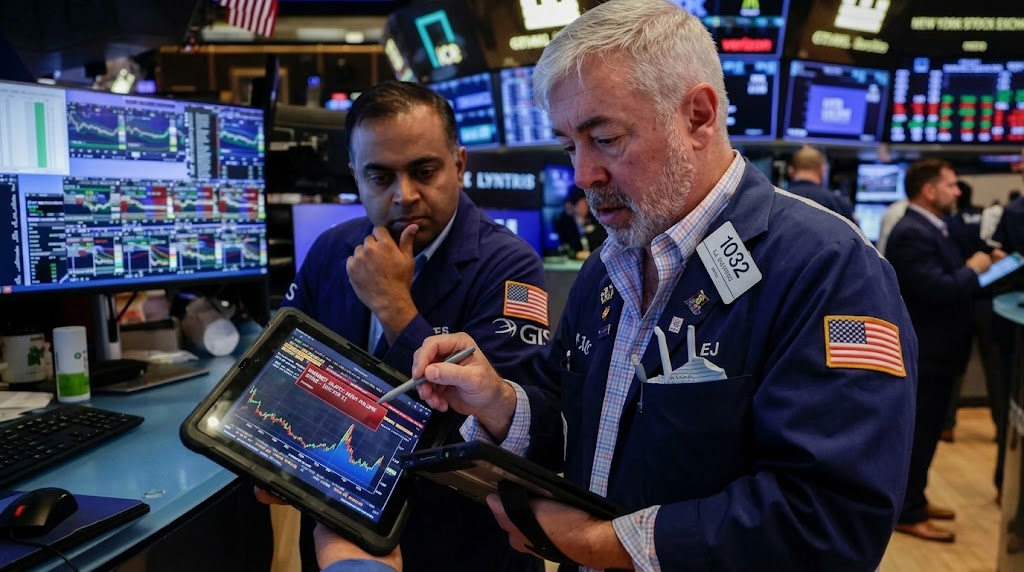
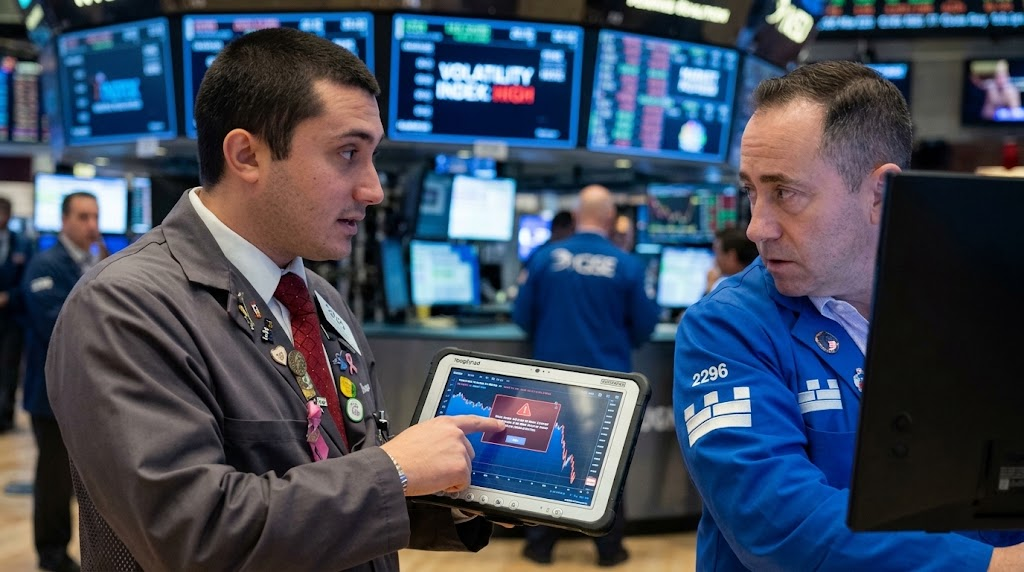
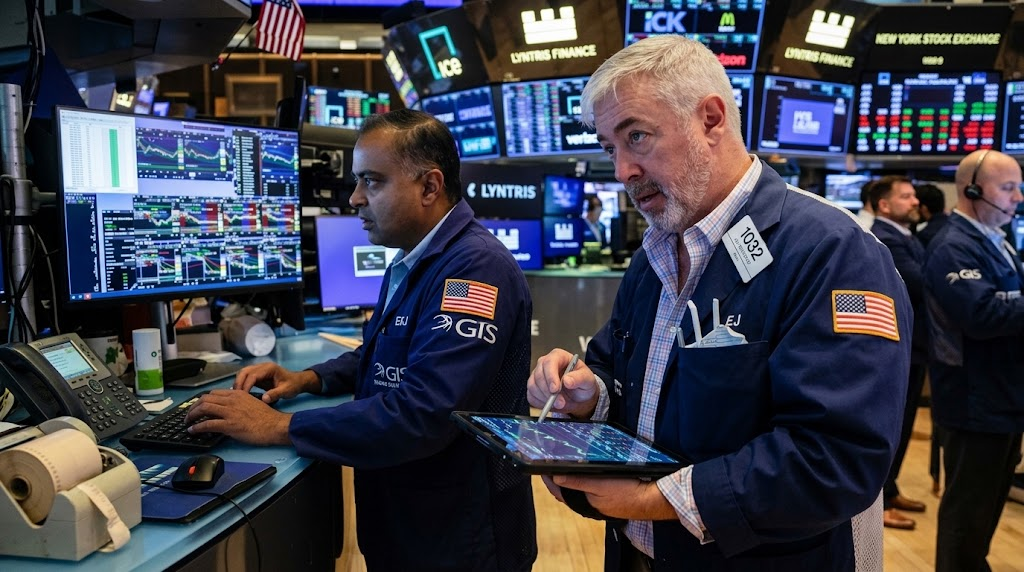
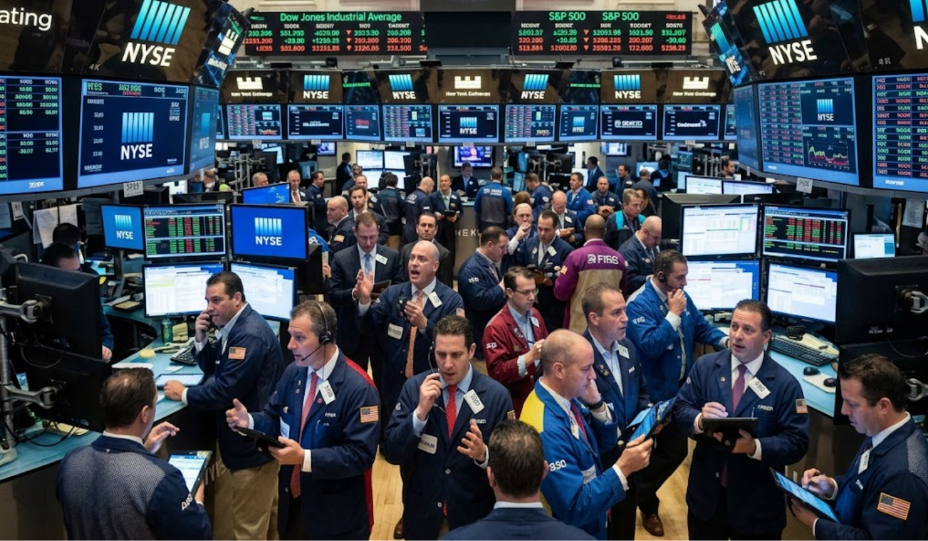
Financial markets responded positively to signs of de-escalation.
Investors viewed a potential reopening of the Strait of Hormuz as a major relief for global energy supplies.
Lower oil prices could help reduce inflation pressure and ease concerns about additional monetary tightening.
However, analysts caution that markets remain sensitive to any breakdown in negotiations.
Want to earn some extra money on the side? Buy PCPi Coin or Subscribe to VIP and get dividens monthly.
____
Associated Press, CNBC News, Fox News, and preCharge News contributed to this report.