 Eduardo Sifuentes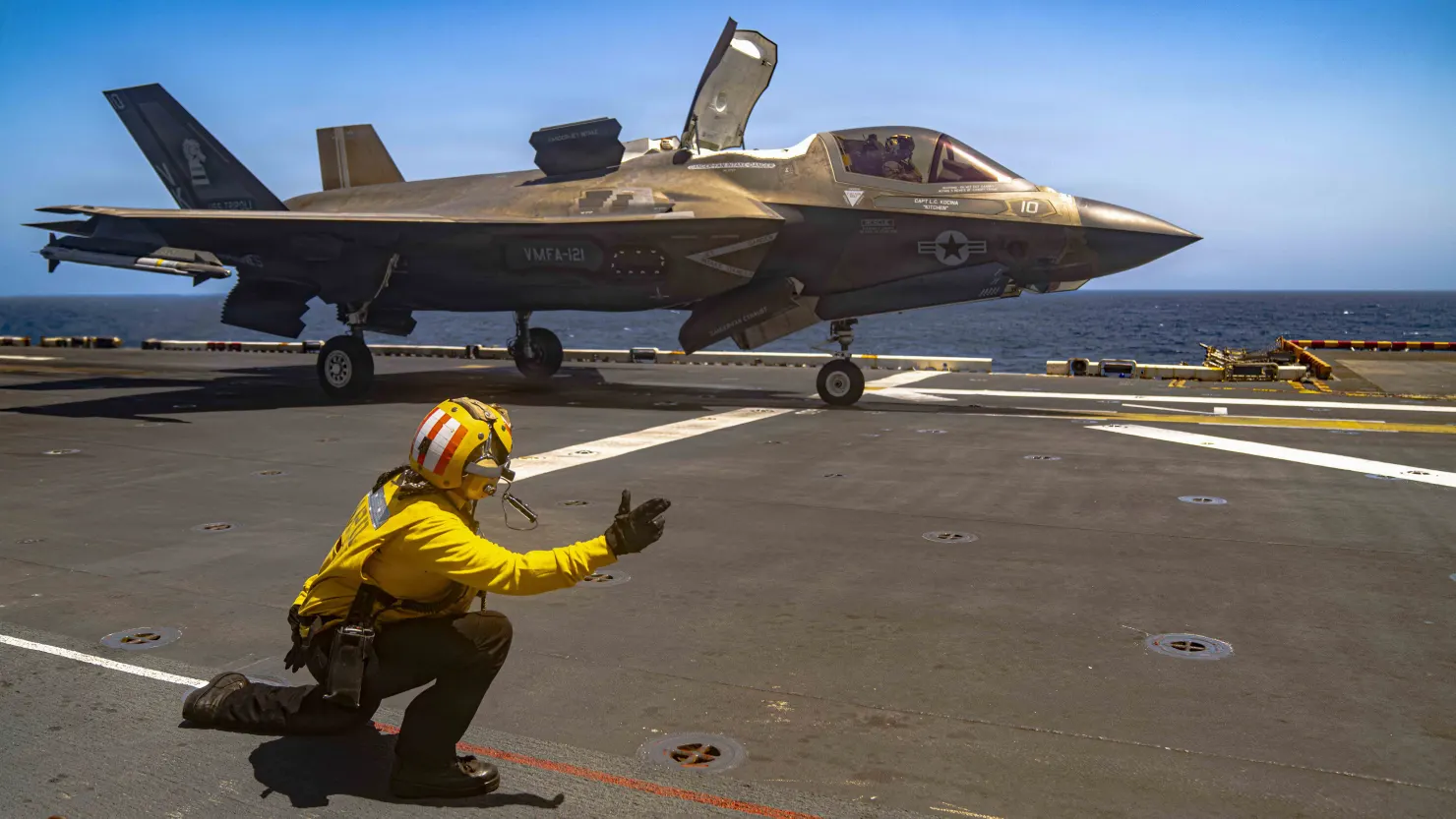

preCharge News POLITICS — U.S. forces carried out what military officials described as “self-defense” strikes in southern Iran early Tuesday local time, targeting assets that American officials said posed a threat to U.S. personnel and operations.
According to U.S. Central Command (CENTCOM), the strikes were designed to protect American forces while broader diplomatic efforts continue between Washington and Tehran.
CENTCOM Says Missile Sites and Mine Operations Were Targeted
CENTCOM spokesman Tim Hawkins said the operation focused on Iranian military assets considered immediate threats.
Officials stated that targets included:
- Missile launch sites
- Iranian boats allegedly attempting to deploy naval mines
- Potential threats to U.S. troops operating in the region
Hawkins emphasized that military action was being carried out under a defensive framework.
“U.S. Central Command continues to defend our forces while using restraint during the ongoing ceasefire.”
Military Action Continues Despite Ceasefire Framework
The latest operation highlights ongoing tensions despite a ceasefire agreement reached between Washington and Tehran earlier in the conflict.
This is not the first military activity since the ceasefire began:
- U.S. Marines seized the Iranian cargo vessel Touska in April
- U.S. and Iranian forces exchanged fire in the Strait of Hormuz in May
- Both sides accused each other of initiating hostilities
The repeated incidents illustrate the fragility of ongoing diplomatic efforts.
Trump Signals Progress in Iran Negotiations While Issuing Warning
President Donald Trump said Monday that talks with Iran were progressing positively but warned that negotiations must produce a comprehensive agreement.
“It will only be a Great Deal for all or no Deal at all.”
Trump also warned that failed negotiations could send both sides:
“Back to the Battlefront and shooting, but bigger and stronger than ever before.”
Separately, Trump said Iran’s enriched uranium stockpile would be transferred to the United States or destroyed at another agreed location under a potential deal structure.
Hormuz Remains a Central Issue in Negotiations
U.S. Secretary of State Marco Rubio stated during a visit to India that the Strait of Hormuz must remain open.
Rubio reportedly said:
“One way or the other.”
The strategically important waterway remains a critical point in negotiations because approximately a fifth of global oil shipments normally pass through the corridor.
Oil Markets React as Investors Monitor War and Diplomatic Risks
Energy markets showed mixed reactions following reports of the military operation and continued negotiations.
Early trading data showed:
- U.S. West Texas Intermediate (WTI): down roughly 5% to $91.87 per barrel
- Brent crude: up roughly 2.14% to $98.20 per barrel
Analysts continue to assess whether an eventual agreement would stabilize global energy markets.
Public Focus Shifts Toward Economic Impact
Chen Lanhee, partner at advisory firm Brunswick, suggested public concerns increasingly center on economic consequences rather than negotiation details.
Key public concerns include:
- Rising gasoline prices
- Energy market disruptions
- Inflation pressure
- Potential expansion of regional conflict
According to Lanhee:
“They just want the war over to bring petrol or gas prices down.”
Want to earn some extra money on the side? Buy PCPi Coin or Subscribe to VIP and get dividens monthly.
____
Associated Press, CNBC News, Fox News, and preCharge News contributed to this report.