 Eduardo Sifuentes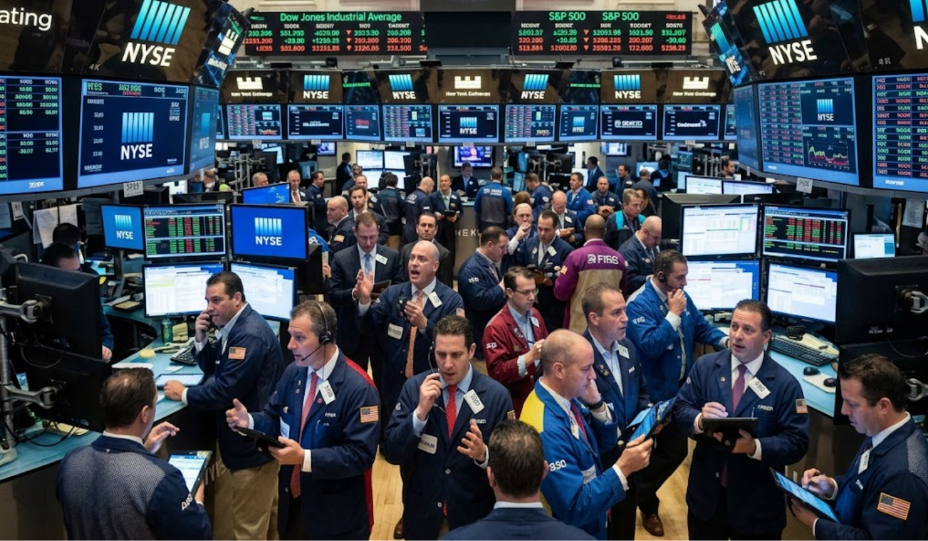
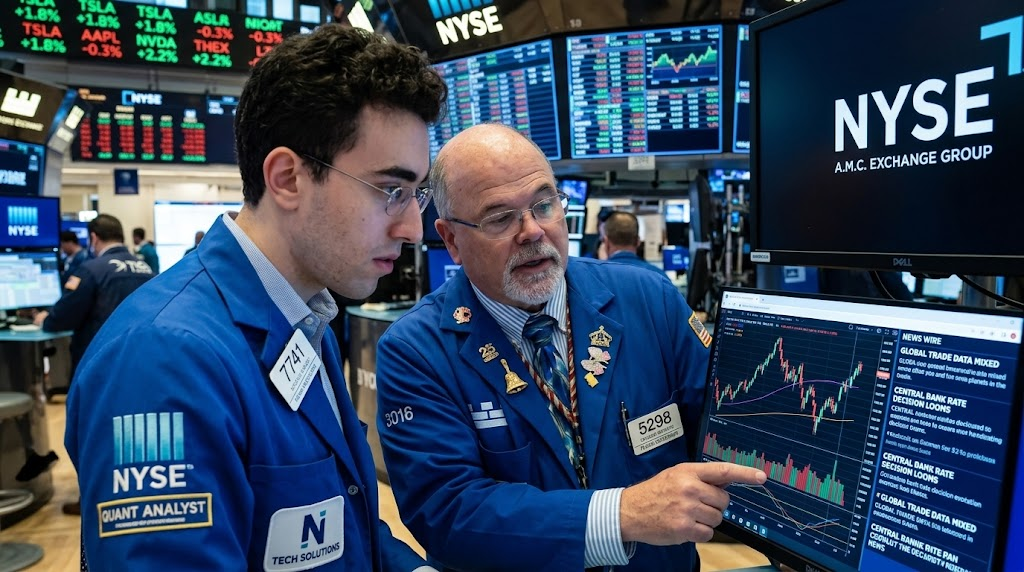
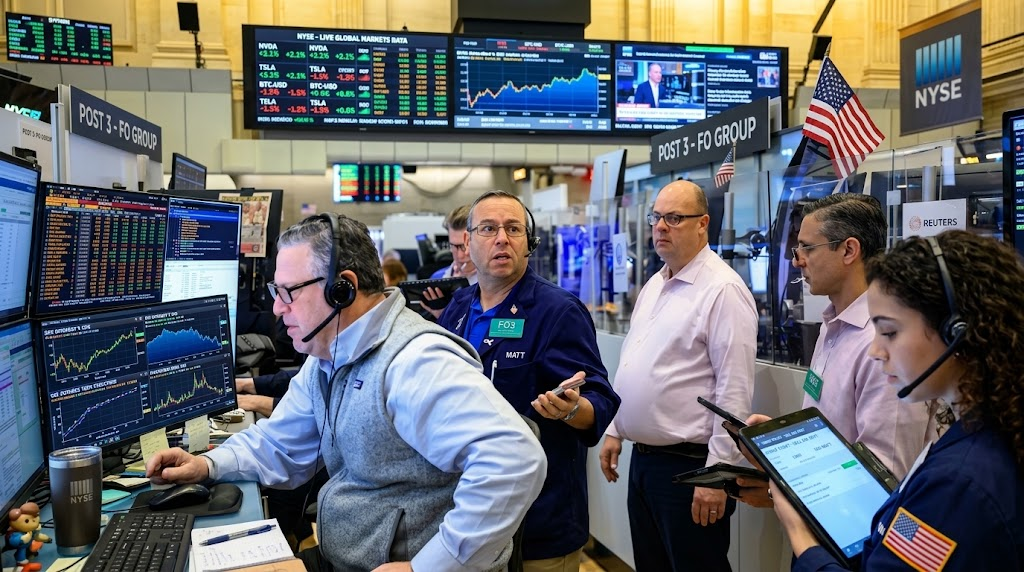
U.S. stocks fell Friday after a far-stronger-than-expected August jobs report reignited bets that the Federal Reserve will raise interest rates at its meeting later this month, rather than hold steady as some investors had hoped.
The Numbers
The Dow Jones Industrial Average fell 271.86 points, or 0.51%, to close at 53,414.25. The S&P 500 slid 0.38% to 7,718.60, and the Nasdaq Composite dropped 0.29% to 26,506.99.
What the Jobs Report Actually Showed
The U.S. economy added 162,000 jobs in August, nearly triple the 53,000–56,000 economists had expected, while the unemployment rate held steady at 4.1%. Revisions also pushed June and July’s combined job gains higher, reversing what had looked like a softening summer labor market just a month earlier.
Why a Strong Jobs Report Pushed Stocks Down
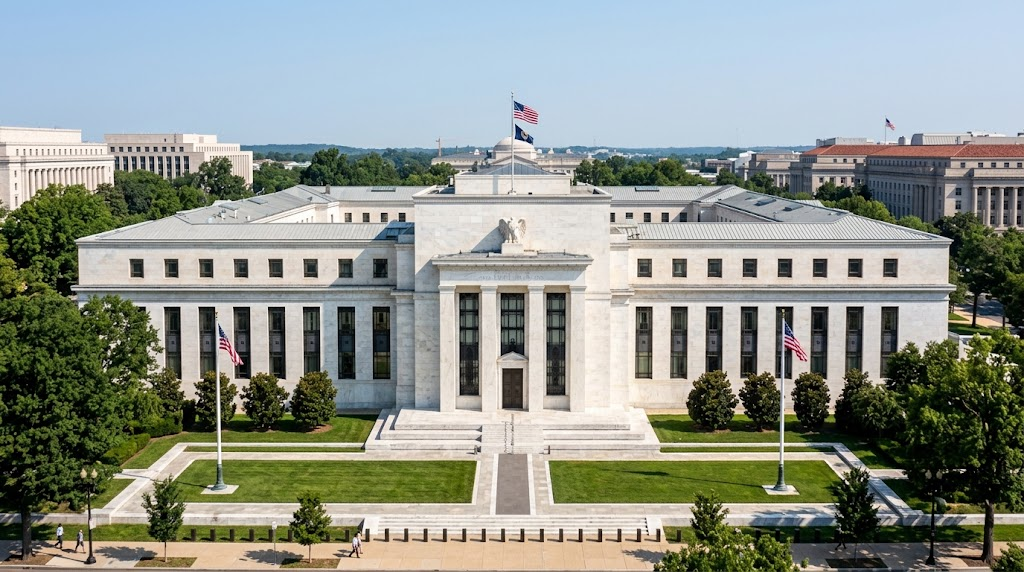
This is one of those cases where “good news” for the economy read as bad news for markets, at least short-term. A hotter labor market gives the Federal Reserve more room to raise rates to fight inflation without worrying as much about hurting employment — rate futures moved quickly, with odds of a September hike jumping from around 55% to roughly 62–65%. Higher rates generally make borrowing more expensive economy-wide and can pressure stock valuations, particularly for growth-oriented companies.
What This Means for Your Own Money
If the Fed does raise rates this month, expect effects to show up fastest in variable-rate debt like credit cards, and more gradually in savings account yields (which move up) and mortgage rates (which don’t track the Fed directly but often react to the same shifting expectations). It’s a reminder that “good economic news” and “good stock market news” aren’t always the same thing.
What to Watch Next
This week’s inflation data (CPI and PPI) will likely be the next major factor shaping whether the Fed actually follows through at its September 15–16 meeting, since officials have said inflation — not employment — is now their primary concern.
Frequently Asked Questions (FAQ)
A stronger-than-expected jobs report raised the odds the Federal Reserve will raise interest rates this month, and higher rate expectations tend to pressure stock prices.
The U.S. economy added 162,000 jobs, far more than the roughly 53,000–56,000 economists expected.
It held steady at 4.1%, matching expectations.
The Dow fell 271.86 points, or 0.51%, closing at 53,414.25.
Futures markets moved to price in roughly a 62–65% chance of a hike at the Fed’s September meeting, up from about 55% before the report.
A stronger labor market gives the Fed more room to prioritize fighting inflation with higher rates, since it’s less worried about triggering higher unemployment.
Yes, typically the fastest of any common consumer rate — often within one to two billing cycles.
No — mortgage rates track the 10-year Treasury yield, which reflects expectations about the Fed’s future path, not just its immediate decision.
This week’s Consumer Price Index (CPI) and Producer Price Index (PPI) inflation reports.
Because stronger data can raise the odds of higher interest rates, which markets often view as a headwind for valuations — even though it reflects a healthier economy.