 Eduardo Sifuentes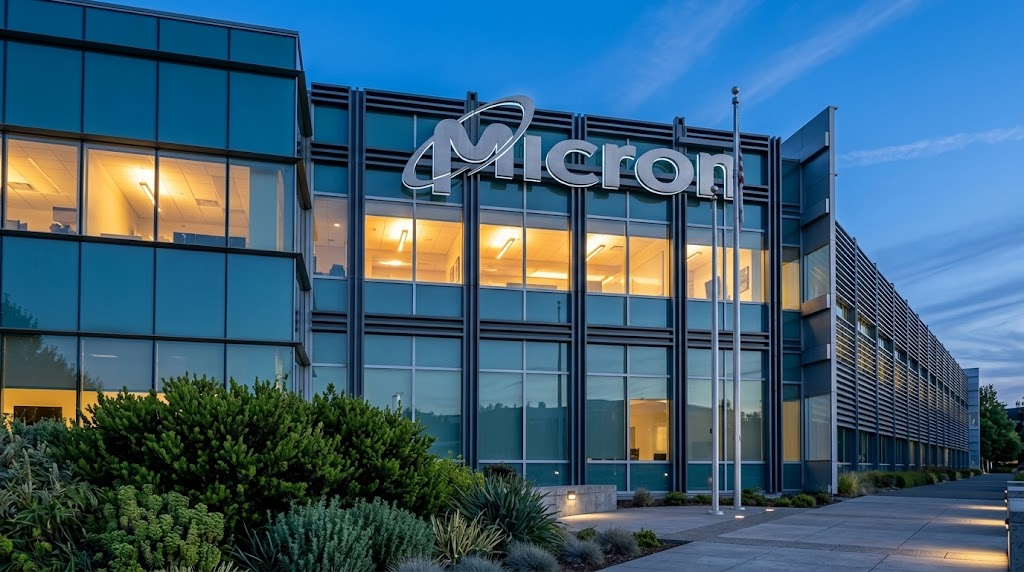
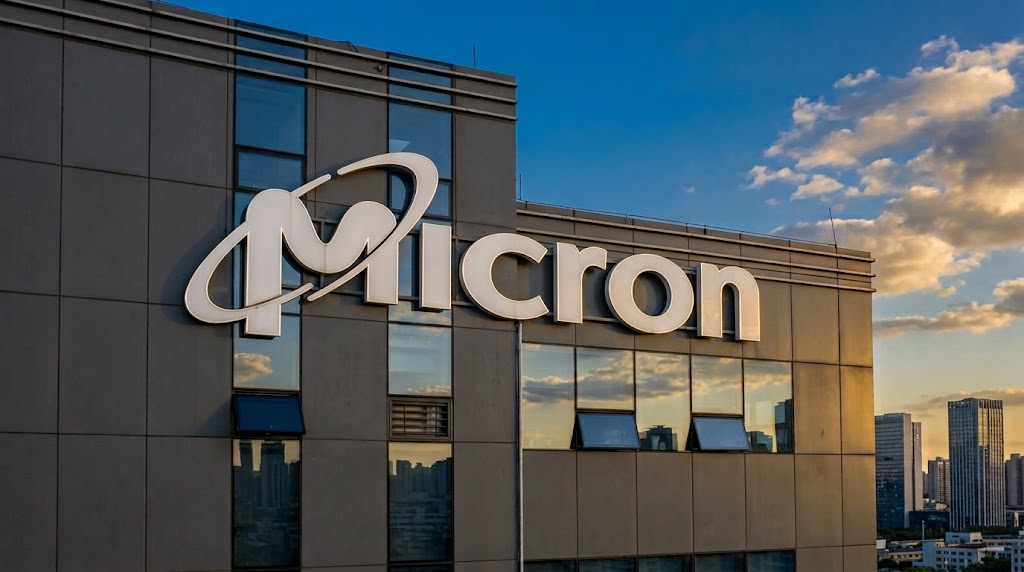
Shares of Micron Technology and SanDisk surged Friday, standing out against a broader market decline, as a widening global shortage of memory chips continues to reward the companies best positioned to supply it.
The Numbers
Micron rose roughly 6% while SanDisk jumped more than 10%, even as the Dow, S&P 500, and Nasdaq all closed lower the same day. Both stocks have posted substantial gains over the past year as the memory rally has continued.
What’s Actually Driving the Shortage
Demand for high-bandwidth memory used in AI servers has been consuming a growing share of global production capacity, squeezing supply available for traditional PCs and smartphones. On the supply side, South Korean manufacturers — which account for the majority of global memory chip output — have faced their own disruptions, while producers broadly cut capital spending in prior years, leaving the industry unable to quickly ramp up output to meet today’s demand.

Why This Connects to a Much Bigger Story in Asia
The same dynamic pushed South Korea’s Kospi index up sharply the same week, led by Samsung Electronics and SK Hynix — the two companies that together account for more than half of Korea’s entire stock market value. A shortage in one specific component is moving markets on opposite sides of the world simultaneously, since Micron, SanDisk, Samsung, and SK Hynix are all, in effect, competing for the same limited manufacturing capacity and pricing power.
What This Means for Your Portfolio (Even If You Don’t Own These Stocks)
Memory chips are a component in nearly every piece of modern electronics, from laptops to smartphones to data center servers. A shortage that’s good for chipmakers’ stock prices can simultaneously mean higher costs for the companies that buy those chips — and potentially, eventually, for consumers buying the finished electronics. It’s a clear example of how the same story can be bullish for one part of a supply chain and a cost headwind for another.
What to Watch Next
Whether major memory producers announce plans to meaningfully expand production capacity — the clearest signal of when this shortage, and the pricing power it’s created, might start to ease.
Source: TradingKey, News.
Frequently Asked Questions (FAQ)
Their gains came from a specific, sector-based catalyst — a global memory chip shortage — separate from the broader market’s reaction to the jobs report that same day.
Approximately 6% on the day discussed.
More than 10% on the day discussed.
Surging demand for AI server memory combined with constrained supply, after major producers reduced capital spending in prior years.
South Korea accounts for the majority of global memory chip supply, led by Samsung Electronics and SK Hynix.
The same memory chip shortage and AI demand story drove South Korea’s Kospi index sharply higher the same week.
A specialized, high-performance type of memory chip used heavily in AI servers and accelerators.
It’s a real possibility — memory chips are components in laptops and smartphones, and higher input costs can eventually flow through to consumer prices.
Announcements from major producers of significant new production capacity coming online.
They compete in overlapping memory markets (DRAM and NAND flash), though each has particular areas of strength.