 Eduardo Sifuentes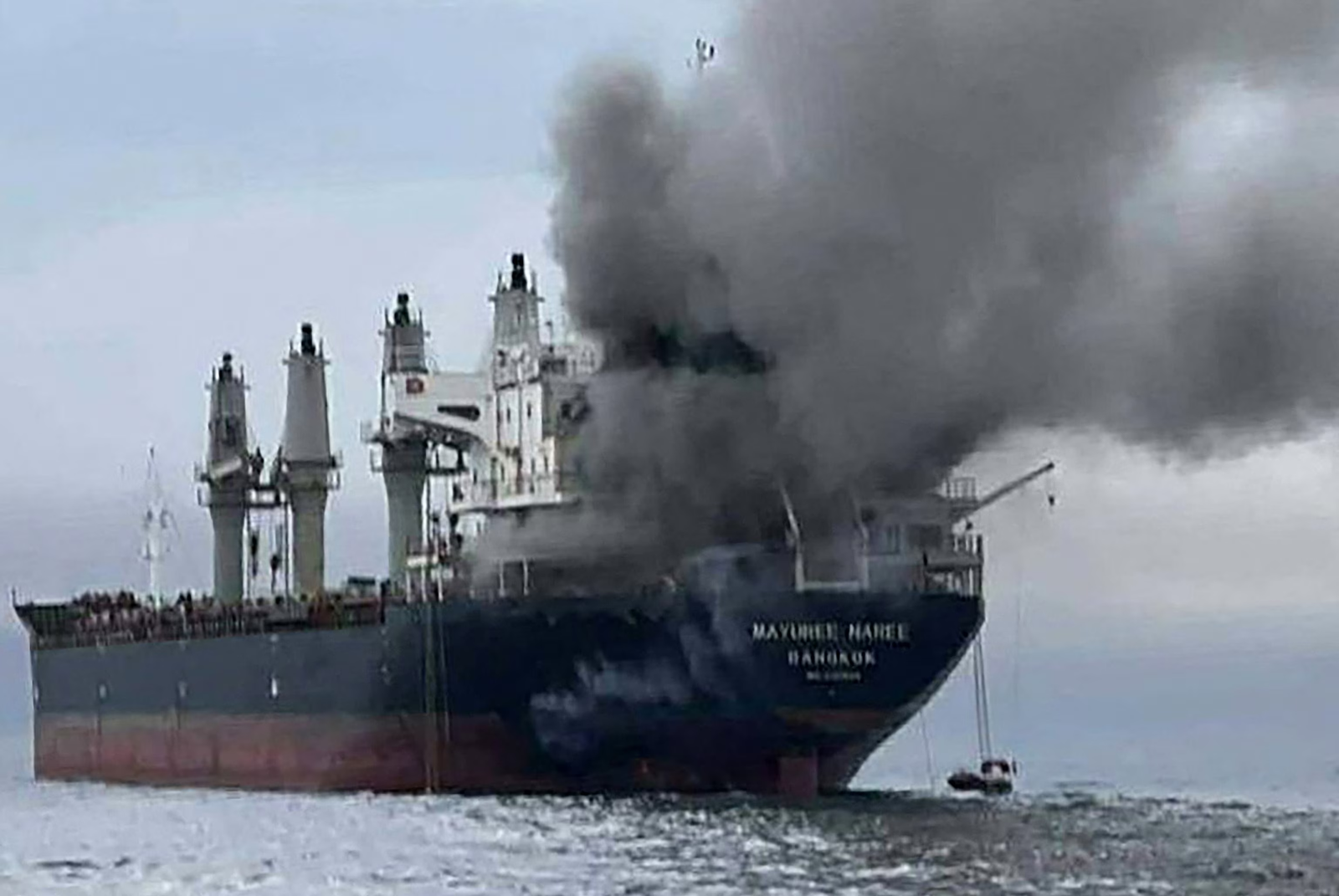
Oil prices ticked higher to start the week after Iran said it struck three tankers navigating an unauthorized route through the Strait of Hormuz, along with several vessels it linked to the United States — a retaliatory move following American strikes on Iranian tankers over the weekend.
The Numbers
Brent crude, the global benchmark, rose about 0.6% in early Monday trading as the news moved through markets already on edge over the months-long conflict.
What Happened Over the Weekend
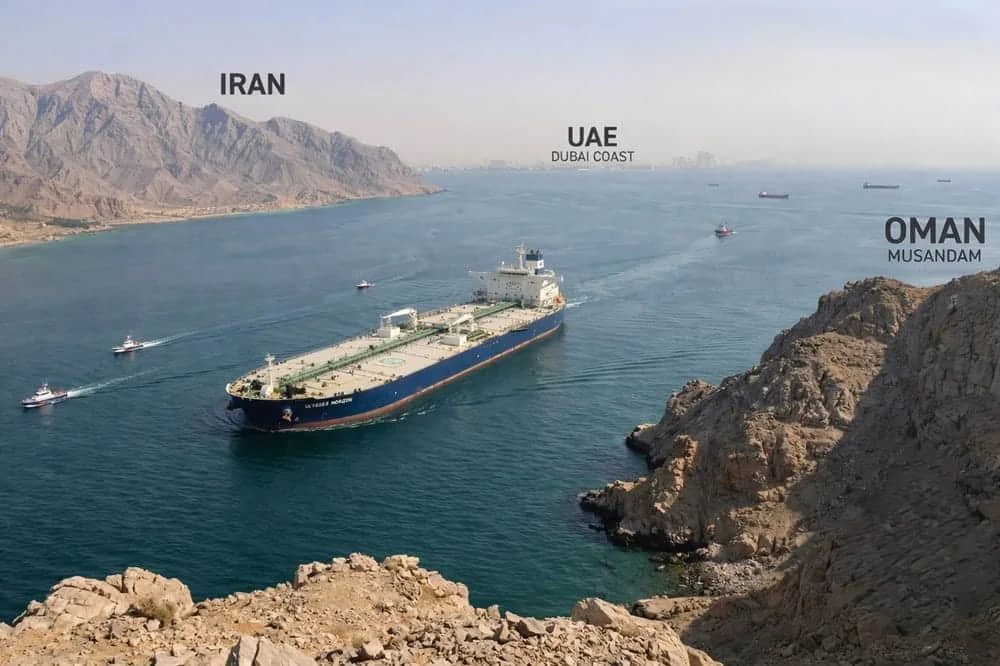
This exchange marks the latest escalation in a conflict between the U.S. and Iran that has repeatedly centered on the Strait of Hormuz — the narrow waterway through which roughly a fifth of the world’s oil supply passes. Iran’s targeting of tankers, including vessels it says are linked to the U.S., follows American strikes on Iranian oil tankers days earlier.
Why This Keeps Happening at This Specific Chokepoint
The Strait of Hormuz has been the central flashpoint of this conflict for months, largely because there’s no practical alternative route for the volume of oil that needs to move out of the Persian Gulf. Disruptions here ripple through global energy markets almost immediately — traders price in the risk of further disruption, not just what’s already happened.
What It Means for US Drivers
Crude oil is the single largest input cost in a gallon of gasoline, and retail prices typically catch up to crude moves within one to three weeks. With the conflict now flaring repeatedly at this same chokepoint, sustained upward pressure on crude raises the odds that pump prices — already elevated much of the year — stay higher for longer, rather than this being a one-day blip.
What to Watch Next
Whether Monday’s exchange draws a further response from either side, additional statements from U.S. Central Command, and whether tanker insurance rates — a leading indicator traders watch closely — rise, which would signal the market expects this pattern to continue.
Source: Bloomberg, News
Frequently Asked Questions
Why did oil prices rise today?
Iran said it struck several tankers, including US-linked vessels, in the Strait of Hormuz, raising fears of further disruption to a critical oil shipping route.
What is the Strait of Hormuz?
A narrow waterway between Iran and Oman through which roughly a fifth of the world’s oil supply passes on its way out of the Persian Gulf.
How much did Brent crude rise?
Brent crude rose about 0.6% in early Monday trading.
Will this affect gas prices in the US?
Sustained increases in crude oil prices typically show up at the pump within one to three weeks, since crude is the largest cost component in a gallon of gasoline.
Why does the Strait of Hormuz matter so much to oil markets?
There’s no comparable alternative route with the same capacity, so disruptions there have an outsized effect on global oil supply expectations.
What triggered this latest exchange?
Iran’s tanker strikes followed American attacks on Iranian oil tankers over the preceding weekend.
Is oil price movement based only on actual supply lost?
No — markets also price in the risk of future disruption, which is why prices can move even before any oil supply is physically lost.
What’s a leading indicator analysts watch in situations like this?
Tanker insurance rates, which tend to rise before oil prices do when traders expect continued disruption.
How long has this conflict been affecting oil markets?
The broader U.S.-Iran conflict has been ongoing for months, with the Strait of Hormuz repeatedly at the center of market-moving developments.
Does a rise in oil prices always mean higher gas prices immediately?
No — there’s typically a one-to-three-week lag between crude price changes and matching moves at the retail pump.