 Eduardo Sifuentes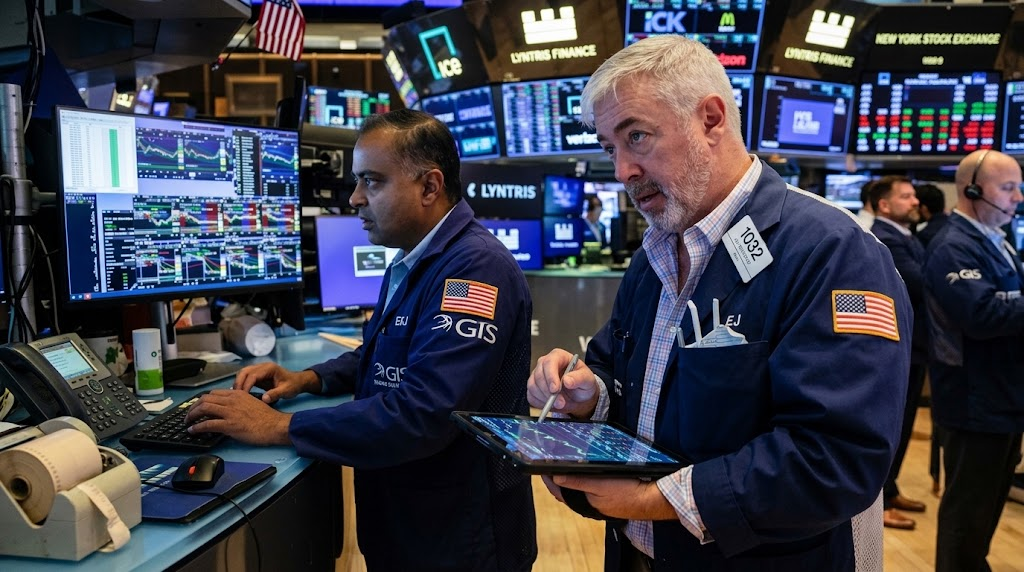
Key Points:
- The Dow fell 271.86 points, the S&P 500 dropped 0.38%, and the Nasdaq slid 0.29% Friday
- August payrolls came in at 162,000, nearly triple economist forecasts
- Futures markets now price in roughly 58–65% odds of a Fed rate hike this month
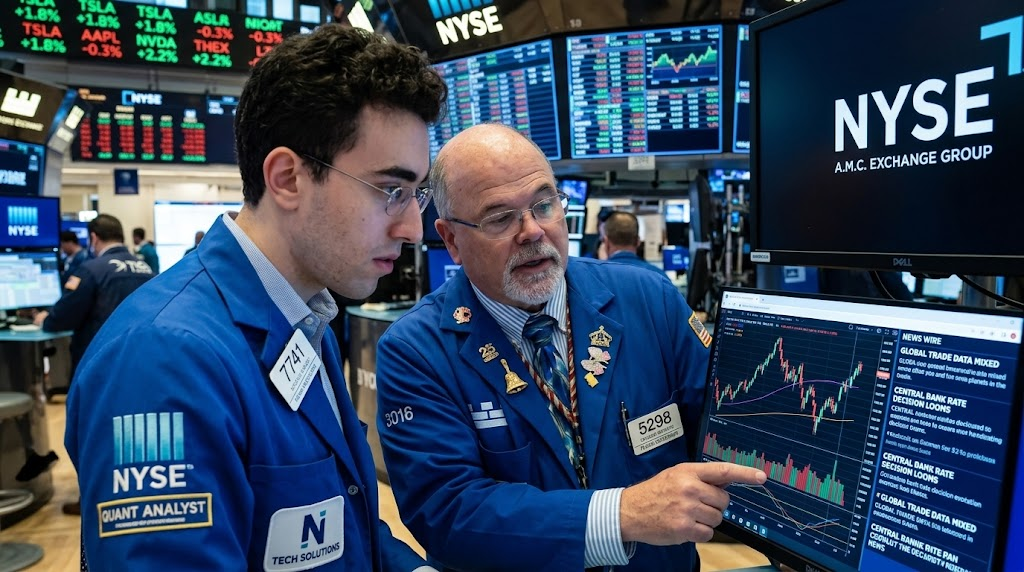
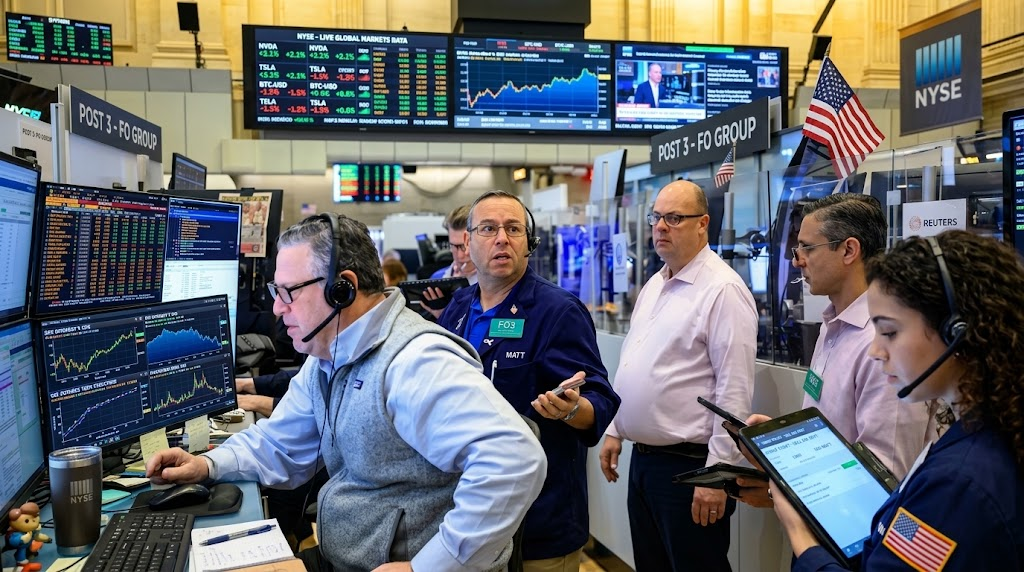
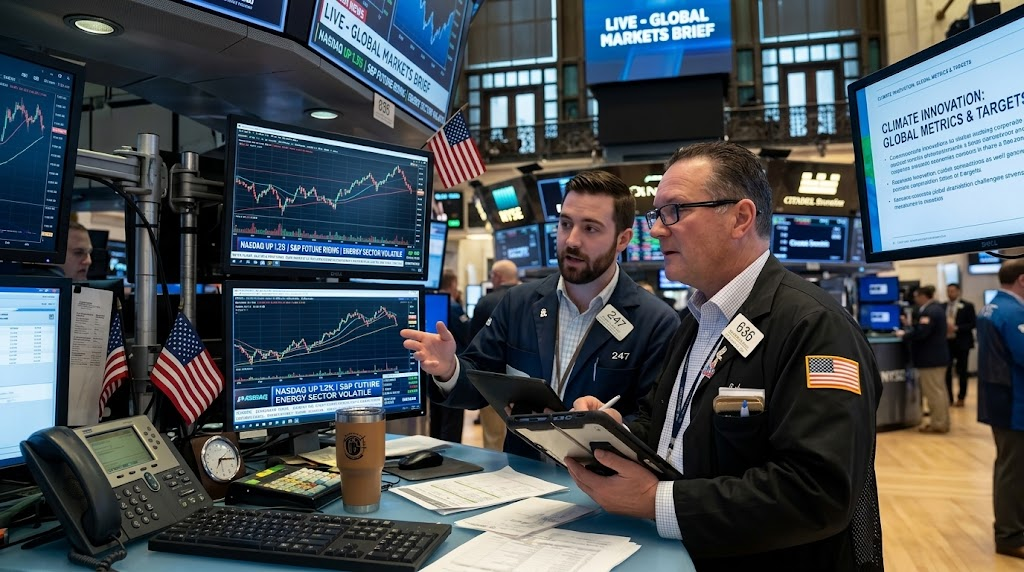
Wall Street closed lower Friday after a far-stronger-than-expected August jobs report reignited bets that the Federal Reserve will raise interest rates this month rather than hold steady, as some investors had hoped heading into the week.
The Numbers
The Dow Jones Industrial Average fell 271.86 points, or 0.51%, to 53,414.25. The S&P 500 slid 0.38% to 7,718.60, and the Nasdaq Composite dropped 0.29% to 26,506.99.
What the Jobs Report Actually Showed
The U.S. economy added 162,000 jobs in August, nearly triple the roughly 53,000–56,000 economists had forecast, while unemployment held steady at 4.1%. Upward revisions to June and July also erased what had looked a month earlier like a cooling labor market.
Why “Good News” Became “Bad News” for Stocks
A hotter labor market gives the Federal Reserve more room to prioritize fighting inflation with higher rates, since officials worry less about a strong jobs report tipping into higher unemployment. Rate futures moved quickly on the news, with odds of a September hike climbing from around 55% to a range now estimated between 58% and 65%, depending on the model.
What This Means for Your Money
If the Fed raises rates this month, expect credit card APRs to move first — often within one to two billing cycles — followed more gradually by higher savings account yields and indirect pressure on mortgage rates, which track the 10-year Treasury yield rather than the Fed’s rate directly.
What to Watch Next
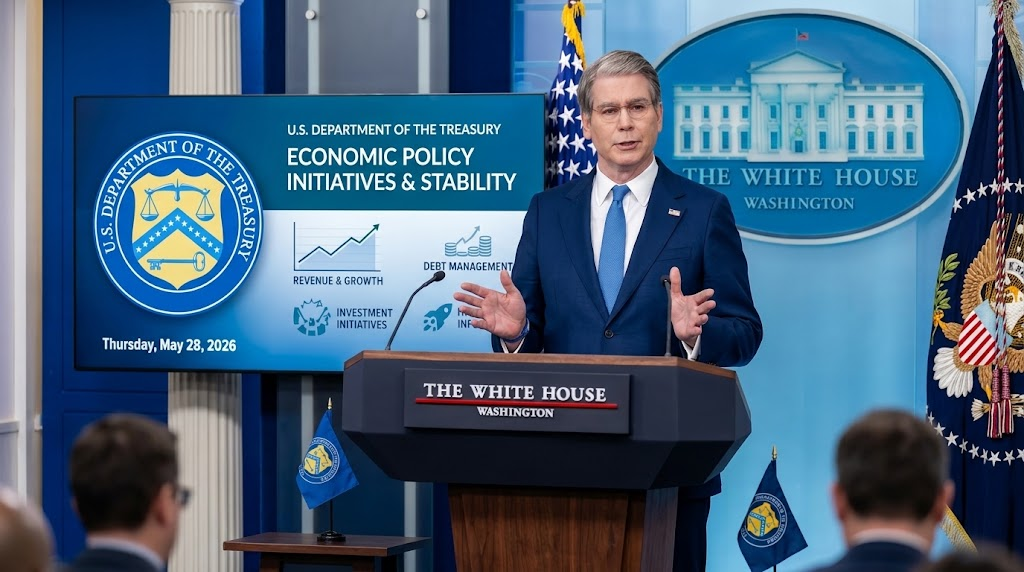
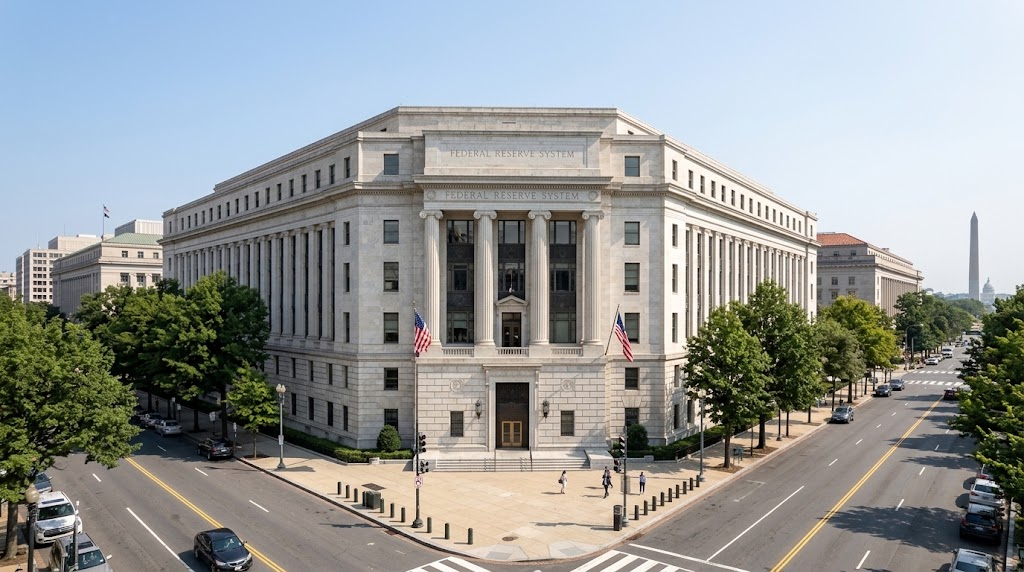
This week’s Consumer Price Index and Producer Price Index inflation reports, which the Fed has signaled matter more right now than the jobs numbers, ahead of its September 15–16 meeting.
Frequently Asked Questions (FAQ)
A stronger labor market raised the odds the Federal Reserve will raise interest rates this month, and higher rate expectations tend to pressure stock prices.
The economy added 162,000 jobs, nearly triple the roughly 53,000–56,000 economists expected.
4.1%, unchanged from the prior reading.
271.86 points, or 0.51%, closing at 53,414.25.
Estimates now range from roughly 58% to 65%, up from about 55% before the jobs report.
It gives the Fed more confidence it can raise rates to fight inflation without triggering a spike in unemployment.
Usually within one to two billing cycles, since most cards carry a variable rate tied to the prime rate.
No — mortgage rates track the 10-year Treasury yield, which reflects longer-term expectations, not just the Fed’s immediate move.
This week’s CPI and PPI inflation reports, which officials have said are now the primary factor in their decision.
September 15–16.