 Eduardo Sifuentes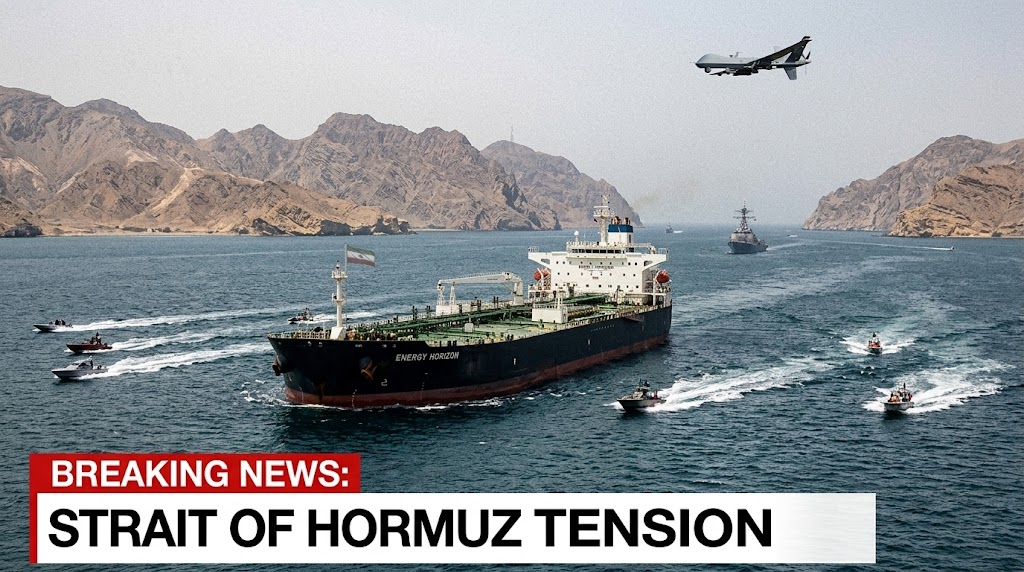
Key Points:
- The U.S. struck three Iranian oil tankers following claims that American warships were targeted with ballistic missiles over the weekend
- Brent crude rose about 0.6%, extending a months-long pattern of price spikes tied to the conflict
- Asian markets were mixed to lower as investors weighed the risk of further escalation
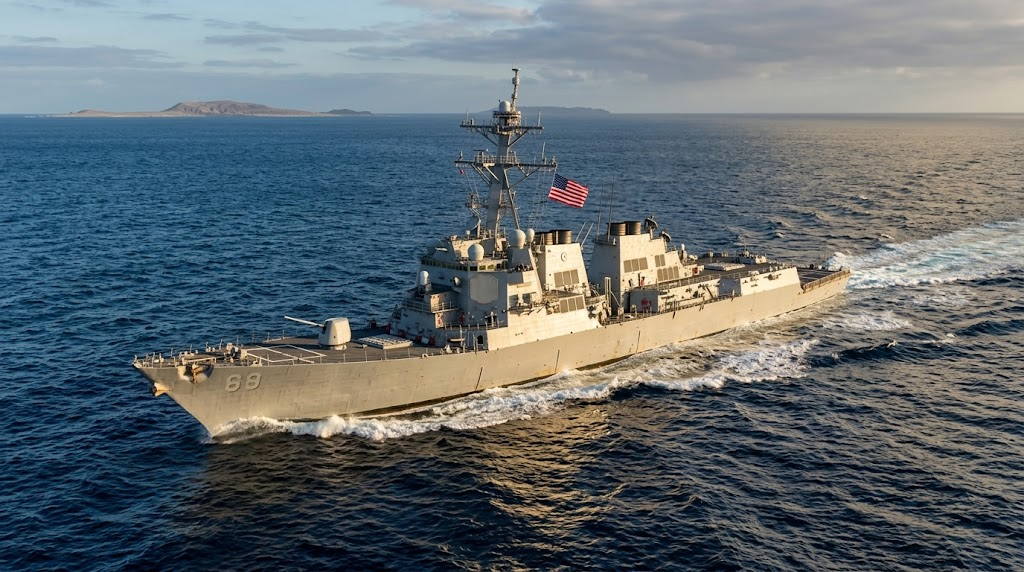
The U.S. struck three Iranian oil tankers over the weekend after Iran claimed American warships had been targeted with ballistic missiles — the latest flashpoint in a monthslong conflict that keeps rattling global oil markets.
What Happened
The exchange marks a new round in a standoff that has repeatedly centered on the Strait of Hormuz, the narrow waterway through which roughly a fifth of the world’s oil supply passes. Iran has previously targeted tankers using unauthorized routes through the strait, including vessels it linked to the U.S., in earlier rounds of the same conflict.
Why Oil Prices Keep Reacting
Brent crude, the global benchmark, rose about 0.6% as the news spread. Oil markets price in risk, not just confirmed supply loss — every fresh exchange at this specific chokepoint moves prices because traders can’t rule out a bigger disruption to actual shipments, even when barrels are still flowing normally for now.
How Markets Overseas Reacted
Asian equity futures pointed to a mixed session, with markets in Japan, Australia, and Hong Kong signaling declines while South Korean futures tracked gains in Nasdaq 100 contracts. European trading was similarly split, with oil and gas stocks the standout gaining sector as energy prices ticked higher.
What This Means for You
Crude oil is the single biggest input cost in a gallon of gasoline, and pump prices typically catch up to crude moves within one to three weeks. With this conflict now flaring repeatedly at the same location, the bigger risk for U.S. drivers isn’t any single day’s move — it’s the pattern of repeated spikes adding up to sustained pressure on prices at the pump.
What to Watch Next
Whether this exchange draws a further response from either side, additional U.S. Central Command statements, and tanker insurance rates — a leading indicator that tends to move before oil prices do.
Frequently Asked Questions (FAQ)
The U.S. struck three Iranian oil tankers after Iran claimed American warships were targeted with ballistic missiles over the weekend.
Brent crude rose about 0.6% following the news.
Roughly a fifth of the world’s oil supply passes through this single waterway, with no comparable alternative route at the same capacity.
Sustained crude price increases typically reach the pump within one to three weeks, since crude is the largest single cost in a gallon of gasoline.
Futures were mixed — Japan, Australia, and Hong Kong pointed lower, while South Korean futures tracked gains in Nasdaq 100 contracts.
Trading was split by sector; oil and gas stocks were the standout gainer as energy prices rose, while healthcare and financial services lagged.
No — this is the latest in a series of exchanges between the U.S. and Iran that have repeatedly centered on the Strait of Hormuz over recent months.
Tanker insurance rates, which tend to rise before oil prices do when the market expects continued disruption.
No — prices move on the risk of disruption, which is why they react even before any barrels are physically affected.
Additional statements from U.S. Central Command or a further response from Iran targeting shipping in the region.