 Eduardo Sifuentes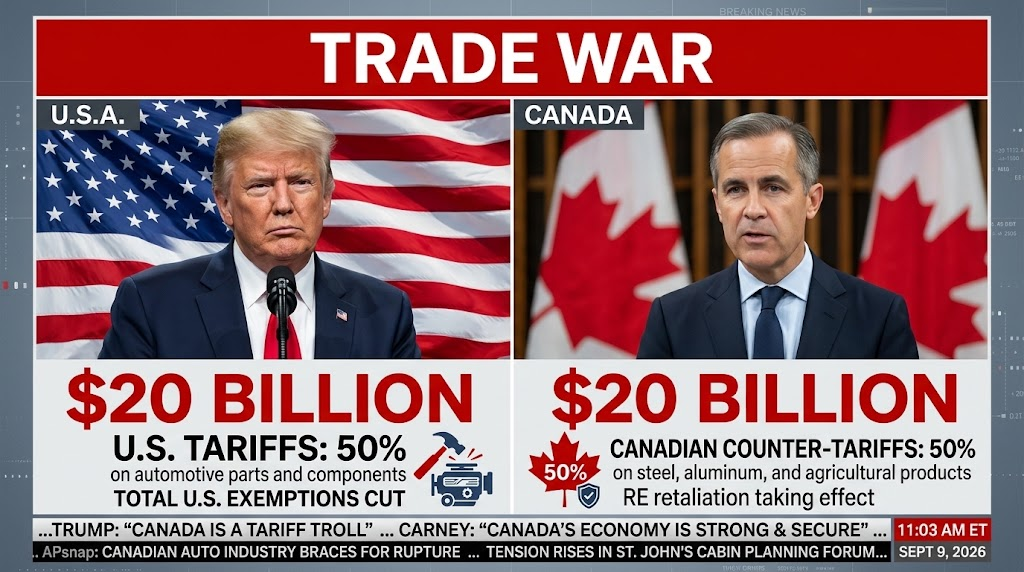
Canada’s retaliatory tariffs on $20 billion worth of US goods officially took effect Tuesday, prompting the Trump administration to announce sweeping import bans on Canadian alcohol, motorcycles, and dairy products in what analysts are calling the most serious trade war between the allies in decades.
With midterm elections looming and approval ratings shifting dramatically on both sides of the border, this escalating conflict threatens to destabilize the USMCA trade agreement and reshape North American economic relations.
Timeline: How We Got Here
August 2026: Trump administration imposes 50% tariffs on approximately $20 billion of Canadian goods after bilateral negotiations collapse.
September 2, 2026: Canada announces retaliatory tariffs ranging from 15% to 50% on US goods worth $20 billion, targeting steel, furniture, clothing, and electronics.
September 9, 2026: Canadian tariffs officially take effect; White House responds with import bans on Canadian alcohol, motorcycles, and dairy products effective September 29.bnrnews+1
What’s Banned: The Full List
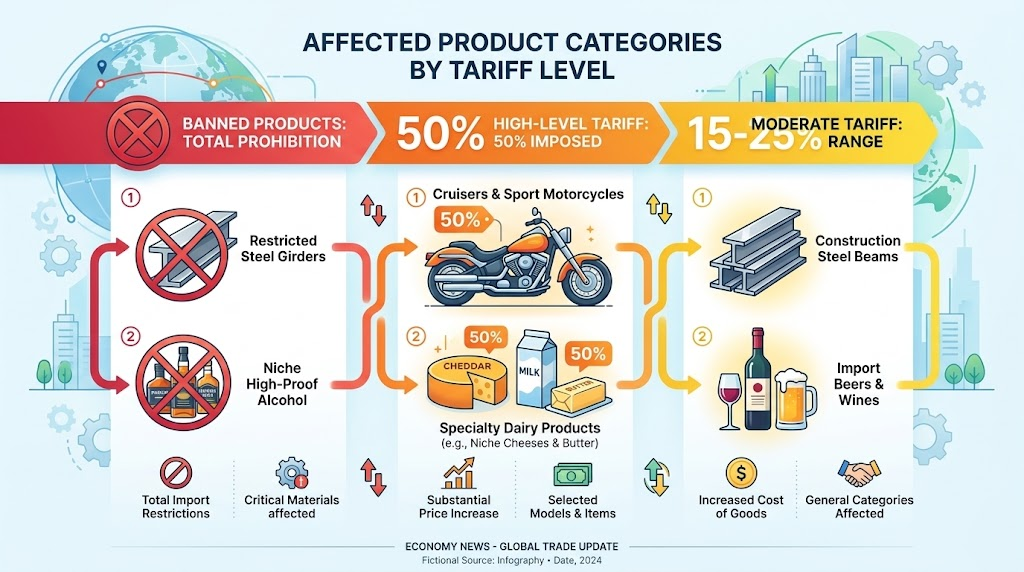
Alcohol Products (Complete Import Ban)
- Beer and non-alcoholic beer
- Wine (all varieties)
- Whiskey, bourbon, rum, vodka
- Vermouth, tequila, mezcal, brandy
Dairy Products (Complete Import Ban)
- Whey protein
- Invert molasses
- Cane molasses
- Various cheese products (50% tariff, not banned)
Other Products (50% Tariff)
- Paper products
- Aluminum
- Lumber and wood products
- Furniture
- Lighting fixtures
- Motorcycles (additional restrictions)
Automotive Threat: Trump has maintained his threat to increase tariffs on Canadian automobiles from 25% to 50% on January 1, 2027.
Political Fallout: Approval Ratings Shift
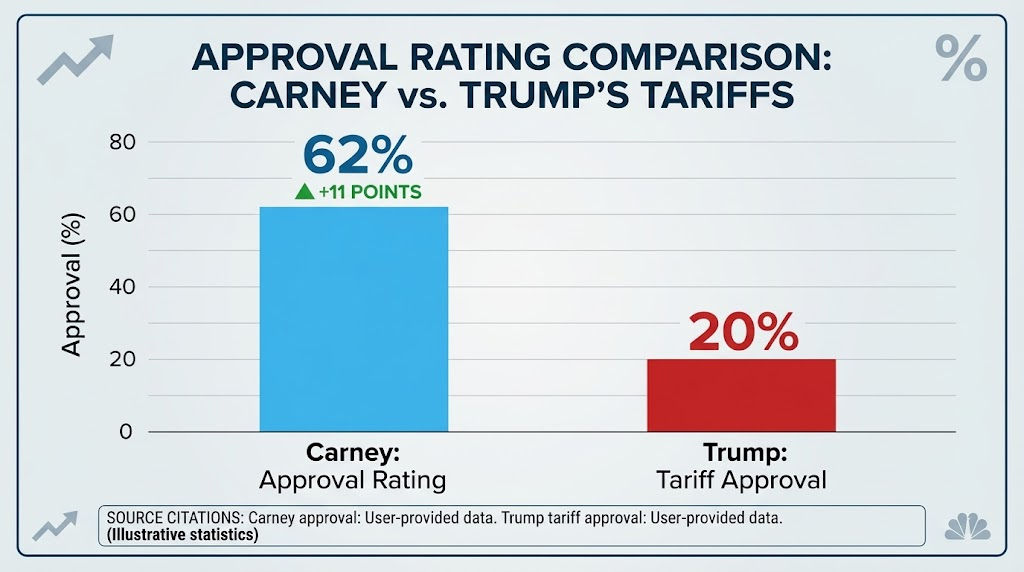
Canada: Prime Minister Mark Carney’s approval rating has surged 11 points to 62% following the trade escalation, according to an Angus Reid poll.
United States: Only 20% of Americans approve of Trump’s tariffs on Canadian goods, per a Reuters/Ipsos survey.
Key Quote from Carney:
“We have everything we need to turn and prosper. This change will come at a cost. There’s always a cost to action. But it doesn’t approach the cost of standing still.”
Economic Impact: Who Wins, Who Loses
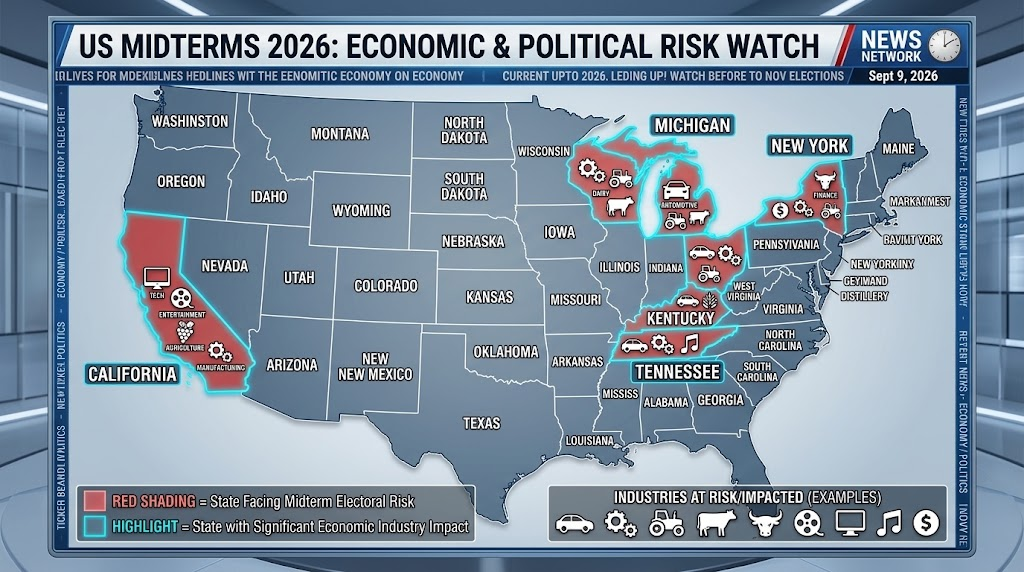
US Sectors at Risk:
- Michigan & Ohio: Steel, furniture, and automotive sectors face direct competition from Canadian tariffs
- Dairy farmers: Wisconsin, California, New York lose Canadian market access
- Distilleries: Kentucky bourbon, Tennessee whiskey face export barriers
- Motorcycle manufacturers: Harley-Davidson and competitors lose Canadian sales
Canadian Sectors at Risk:
- Alcohol producers: Complete loss of US market (their largest export destination)
- Dairy industry: Whey protein and specialty cheese exporters devastated
- Lumber: Already struggling with previous tariffs, now facing additional 50% barriers
Market Reaction: Stocks, Currency, Commodities
Currency Markets:
- CAD/USD dropped 0.8% on tariff announcement
- Expected volatility through September 29 implementation date
Stock Movers:
- Down: Canadian alcohol producers, dairy companies, lumber exporters
- Up: US domestic competitors in affected sectors
- Neutral: Diversified multinationals with North American operations
Commodity Impact:
- Softwood lumber prices volatile
- Dairy commodity prices under pressure
- Aluminum and paper markets watching closely
USMCA at Risk: What’s at Stake
The escalating trade war threatens the United States-Mexico-Canada Agreement (USMCA), which replaced NAFTA and has governed North American trade for years.
Analyst Warning:
“While tariffs affect a small portion of total trade between the US and Canada, some analysts fear the confrontation could destabilize the USMCA. Together they form the foundation of North American trade.”
Potential Consequences:
- Renegotiation demands from both sides
- Mexico caught in middle, seeking to maintain relationships
- Supply chain disruptions across automotive, agriculture, manufacturing
- Long-term shift toward trade diversification (Canada looking beyond US)
Investment Strategy: The 70/20/10 Mix
70% Core Holdings (Stable)
- Maintain diversified index funds
- Keep international exposure through broad funds (not Canada-specific)
20% Tactical Positions (Opportunistic)
- Increase US domestic manufacturing exposure
- Consider US dairy and alcohol producers gaining market share
- Defense stocks (trade wars often correlate with geopolitical tension)
10% Speculative (High Risk/High Reward)
- Currency plays (USD/CAD volatility)
- Sector-specific ETFs (US steel, domestic alcohol producers)
- Canadian companies with strong non-US revenue
Opinion | Expert Commentary
“This is no longer a negotiation tactic—it’s a fundamental reorientation of North American trade relations. Canadian businesses are already diversifying away from US dependence, and that trend will accelerate.” — Trade Policy Analyst, Peterson Institute
“The political timing is crucial. With midterms in November, swing states like Michigan and Ohio feeling pain from Canadian tariffs could impact electoral outcomes.” — Political Economist, Brookings Institution
Frequently Asked Questions (FAQ)
Canada imposed tariffs ranging from 15% to 50% on approximately $20 billion worth of US goods, including steel, furniture, clothing, and electronics, effective September 9, 2026.
The US banned imports of Canadian alcohol (beer, wine, whiskey, vodka, tequila, etc.), dairy products (whey protein, molasses, certain cheeses), and motorcycles, with additional 50% tariffs on paper, aluminum, lumber, and furniture.
The US import bans on Canadian alcohol, dairy, and motorcycles take effect on September 29, 2026, as announced on the White House website.
The conflict escalated after bilateral negotiations failed, leading Trump to impose 50% tariffs on $20 billion of Canadian goods in August 2026. Canada responded with retaliatory tariffs on US goods worth $20 billion.
Analysts warn the confrontation could destabilize the USMCA (United States-Mexico-Canada Agreement), which replaced NAFTA and has governed North American trade for years.
Michigan and Ohio face particular risk from Canadian tariffs on steel and furniture, with potential electoral implications for November midterm elections. Dairy states like Wisconsin, California, and New York also affected.
Canadian PM Mark Carney’s approval surged 11 points to 62%, while only 20% of Americans approve of Trump’s tariffs on Canadian goods, according to Angus Reid and Reuters/Ipsos polls.
Follow the 70/20/10 strategy: 70% core index funds, 20% tactical positions in US domestic manufacturers gaining market share, 10% speculative plays on currency volatility and sector ETFs.
Carney stated: “We have everything we need to turn and prosper. This change will come at a cost. There’s always a cost to action. But it doesn’t approach the cost of standing still.”
Yes, Trump has maintained his threat to increase tariffs on Canadian automobiles from 25% to 50% on January 1, 2027, if tensions continue.
Canada is already exploring trade diversification beyond the US, and analysts expect this trend to accelerate. The USMCA could face renegotiation, fundamentally reshaping North American trade relations.