 Eduardo Sifuentes
Key Takeaways:
- The current 9:30 a.m.–4:00 p.m. schedule was set in 1985
- The opening time gives traders a window to process overnight news before the bell
- The closing bell sets the ‘official’ price used for mutual fund valuations
The Original Hours Were Even Stranger: When the NYSE formed in 1792, trading hours weren’t standardized at all. The exchange experimented with various open times for over a century, including Saturday sessions not fully phased out until the 1950s.
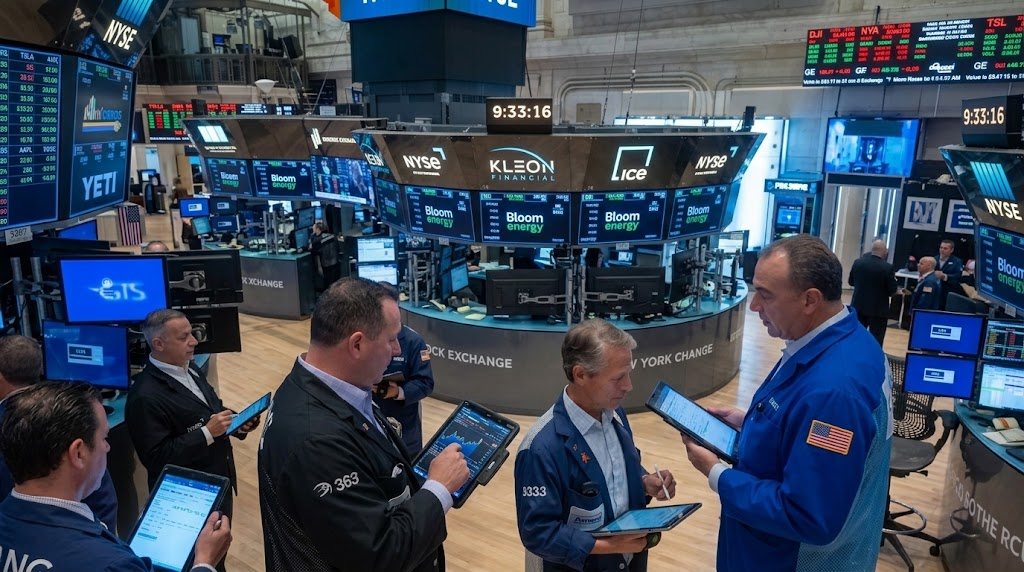
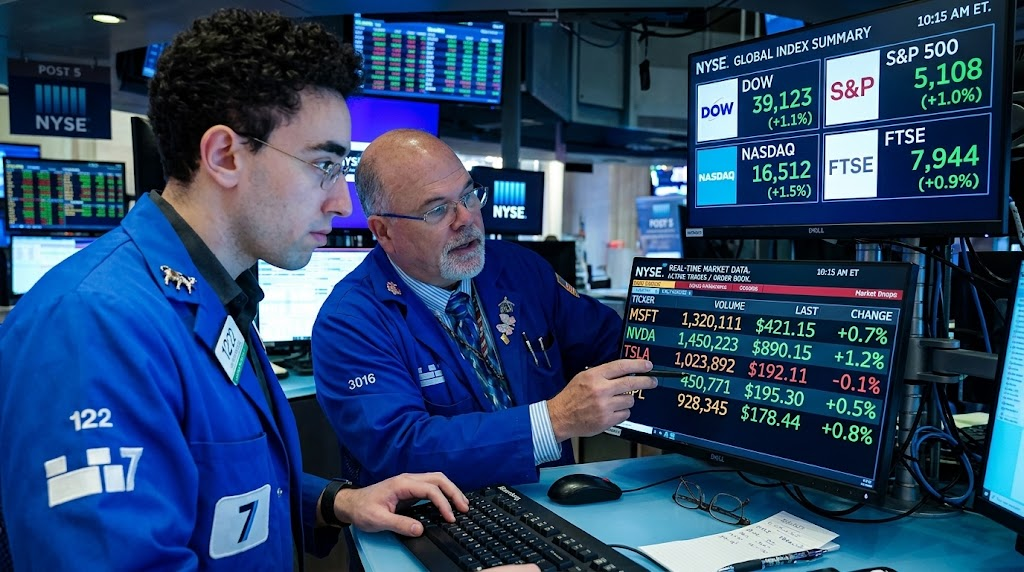
Why 9:30, Specifically: The current 9:30 a.m.–4:00 p.m. schedule was set in 1985, chosen largely to give traders time to process overnight news before the bell, while still allowing a full session before European markets close.

Why Markets Don’t Run 24 Hours: After-hours trading exists but with far lower liquidity, meaning wider price swings on thinner volume. The standard 6.5-hour session concentrates the vast majority of trading into a window where liquidity reflects genuine supply and demand.
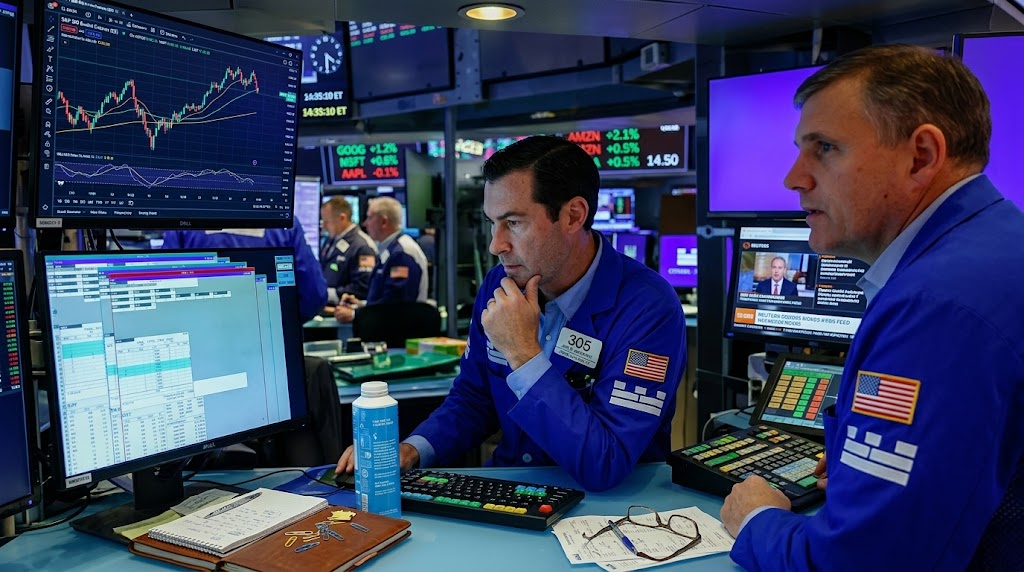
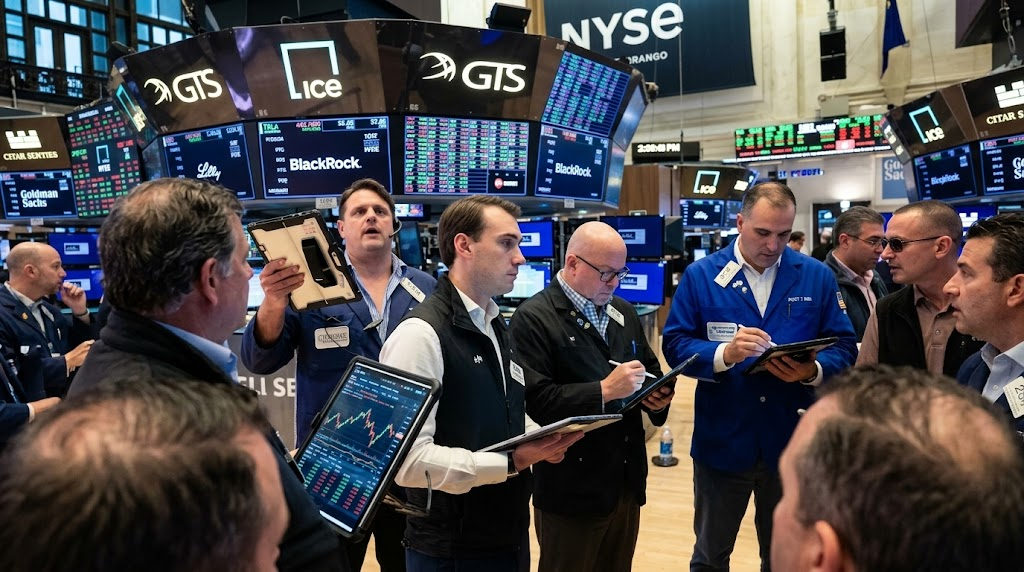
Why the Closing Bell Matters Just as Much: The 4:00 p.m. close sets the “official” price used for mutual fund valuations and index calculations — which is why so much volume concentrates in the final minutes, a pattern traders call the “closing auction.”
Frequently Asked Questions (FAQ)
The schedule was set in 1985, giving traders time to process overnight news before trading begins.
4:00 p.m. Eastern Time.
No — trading hours varied significantly through the 19th and early 20th centuries, including Saturday sessions.
It sets the official price used for mutual fund valuations and index calculations.
Yes, through extended or after-hours trading, though liquidity is much lower.
Fewer participants trade, which can lead to wider price swings on smaller volume.
The surge of trading volume that concentrates in the final minutes of the regular session.
No — different exchanges operate on their own local hours, which is part of why the 9:30 timing was chosen relative to European markets.
6.5 hours, from 9:30 a.m. to 4:00 p.m. Eastern.
It explains why volume clusters at the open and close, and why extended-hours trades can be riskier.