 Eduardo Sifuentes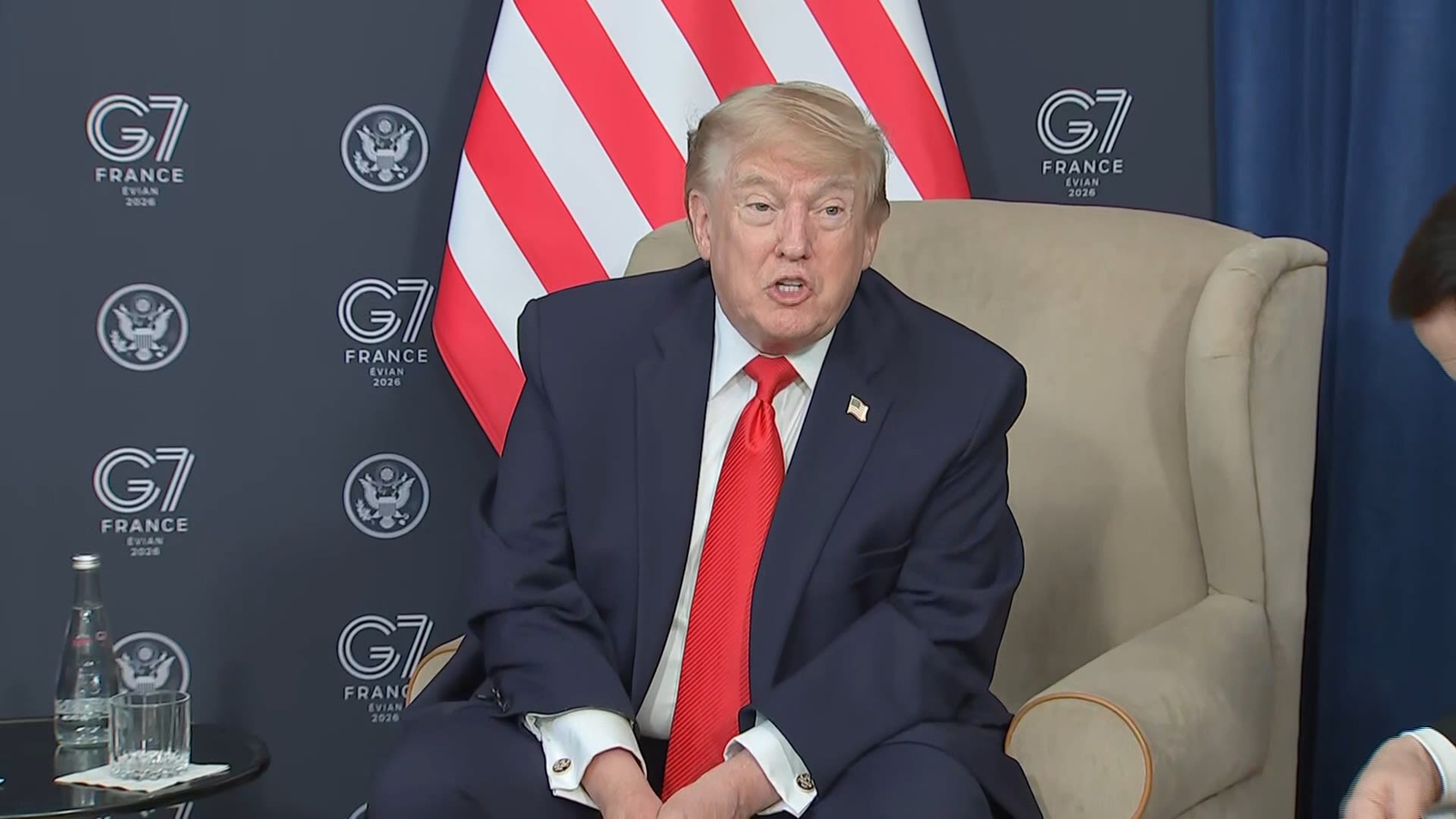

preCharge News CALIFORNIA — President Donald Trump warned Wednesday that the United States could restart military operations against Iran if he determines that a proposed agreement to end the conflict does not meet expectations.
Speaking at the G7 summit in Évian-les-Bains, France, Trump said the planned U.S.-Iran memorandum of understanding was not yet a final agreement and that Washington could return to military action if Tehran does not comply.
The warning came as world leaders gathered to discuss the Middle East conflict, global security, and the future of diplomatic efforts with Iran.
Trump Says Iran Deal Is “Not Final” Ahead of Geneva Signing
Trump said the agreement scheduled for signing in Geneva on Friday would represent only a framework for further negotiations.
“It’s a memorandum of understanding,” Trump said, warning that the U.S. could resume strikes if Iran fails to meet expectations.
The memorandum would reportedly extend the current U.S.-Iran ceasefire for 60 days while establishing a pathway for negotiations over:
- Iran’s nuclear program
- Sanctions relief
- Regional security concerns
- Future diplomatic arrangements
The agreement remains dependent on final details being resolved.
Strait of Hormuz Becomes Critical Test of Ceasefire
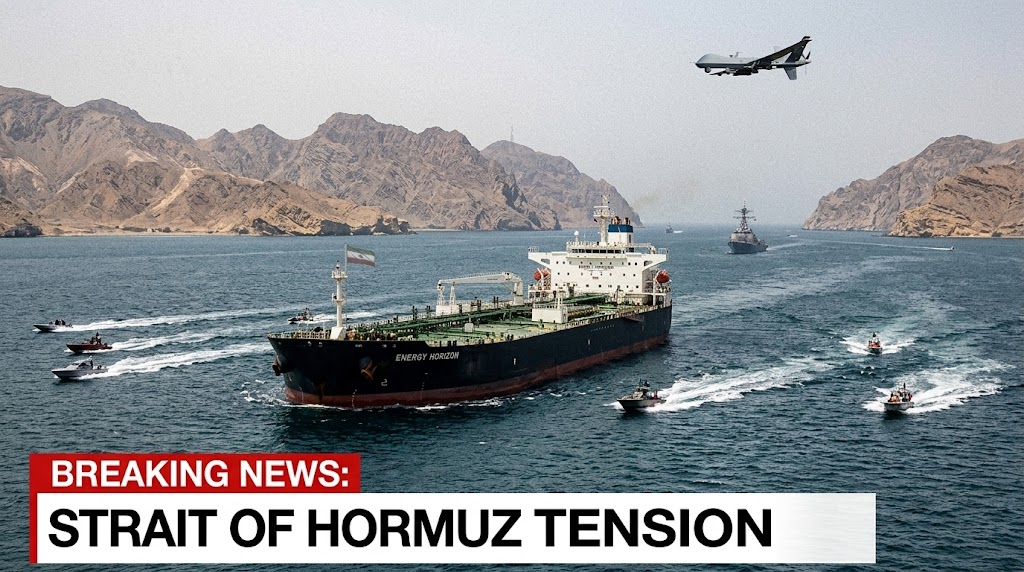
A major indicator of whether tensions are easing is the status of the Strait of Hormuz, one of the world’s most important energy routes.
At least three Iranian oil tankers reportedly passed through the U.S. naval blockade on Wednesday, marking the first outbound shipments in roughly two months.
The development was viewed as a possible sign that diplomatic progress could lead to the restoration of energy flows.
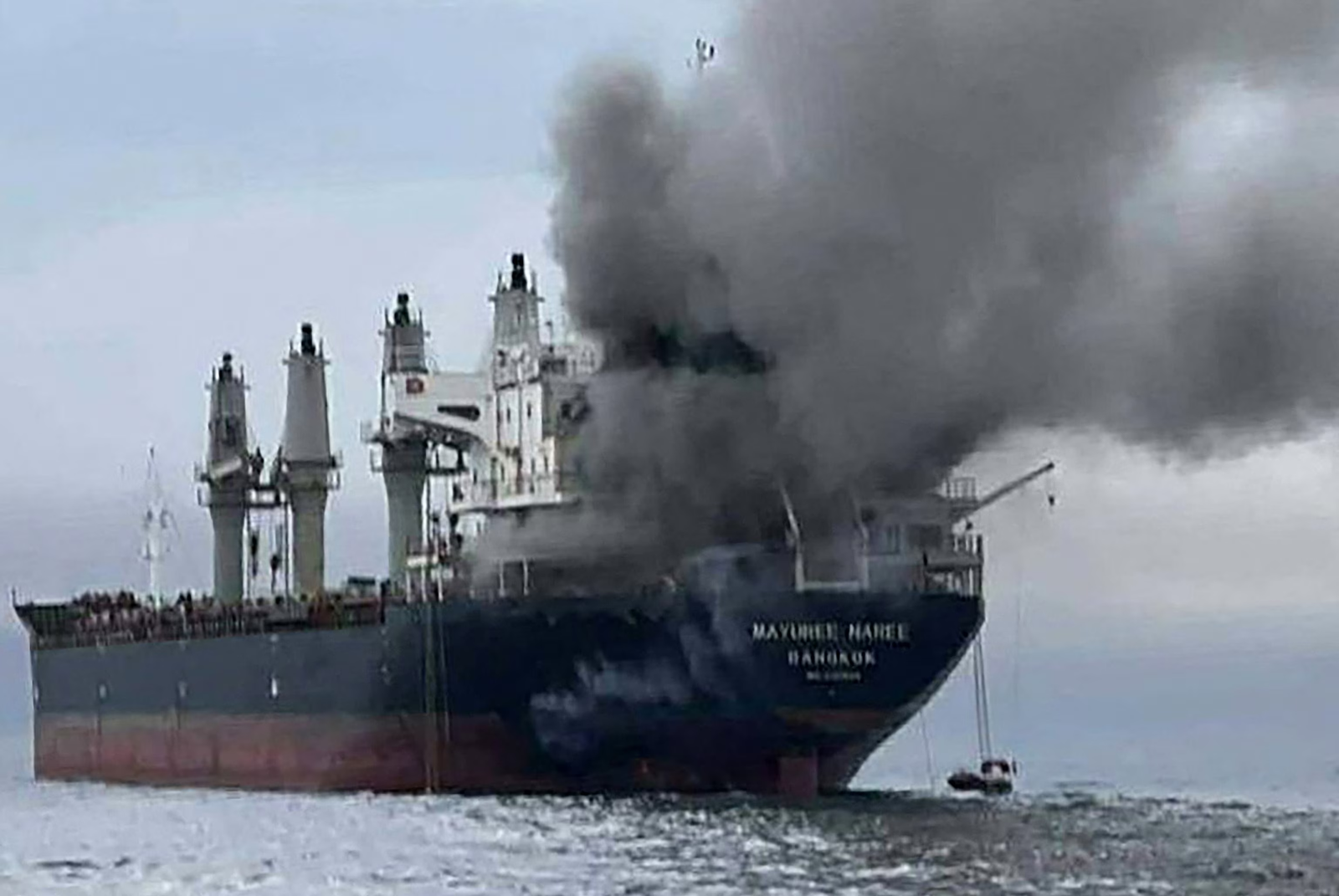
The waterway has been at the center of the crisis because disruptions there have threatened global oil supplies and increased market volatility.
U.S. Officials Say Negotiations Still Face Major Challenges
Vice President JD Vance said earlier that significant issues remain unresolved but expressed confidence that the United States has leverage in future discussions.
Officials have emphasized that any long-term agreement must address concerns about Iran’s nuclear capabilities and regional activities.
Despite optimism from both sides, uncertainty remains over whether the diplomatic framework can become a permanent settlement.
G7 Leaders Focus on Iran War and Ukraine Conflict
The Iran crisis dominated discussions at the Group of Seven summit, where leaders from major industrialized democracies gathered alongside representatives from Ukraine and the European Union.
The summit agenda includes:
- Middle East security
- Russia’s war in Ukraine
- Global economic stability
- Artificial intelligence policy
Trump also addressed the Ukraine war, calling on Russia to negotiate an agreement and noting the heavy losses suffered by both Russia and Ukraine.
AI and Technology Take Center Stage at G7
Later discussions at the summit are expected to focus on artificial intelligence, technology competition, and global digital sovereignty.
Major technology leaders attending include executives from leading AI companies and research organizations.
The discussions reflect growing concerns among governments about maintaining technological independence and regulating rapidly advancing AI systems.
What Happens Next With the Iran Agreement?
The next major test will come with the planned Geneva signing ceremony.
Key questions include:
- Will Iran accept long-term nuclear restrictions?
- Will sanctions relief move forward?
- Will the Strait of Hormuz remain open?
- Can the ceasefire become a permanent peace agreement?
Analysts say the agreement could reshape Middle East diplomacy, but unresolved security disputes remain a significant obstacle.
Want to earn some extra money on the side? Buy PCPi Coin or Subscribe to VIP and get dividens monthly.
____
Associated Press, CNBC News, Fox News, and preCharge News contributed to this report.