 Eduardo Sifuentes
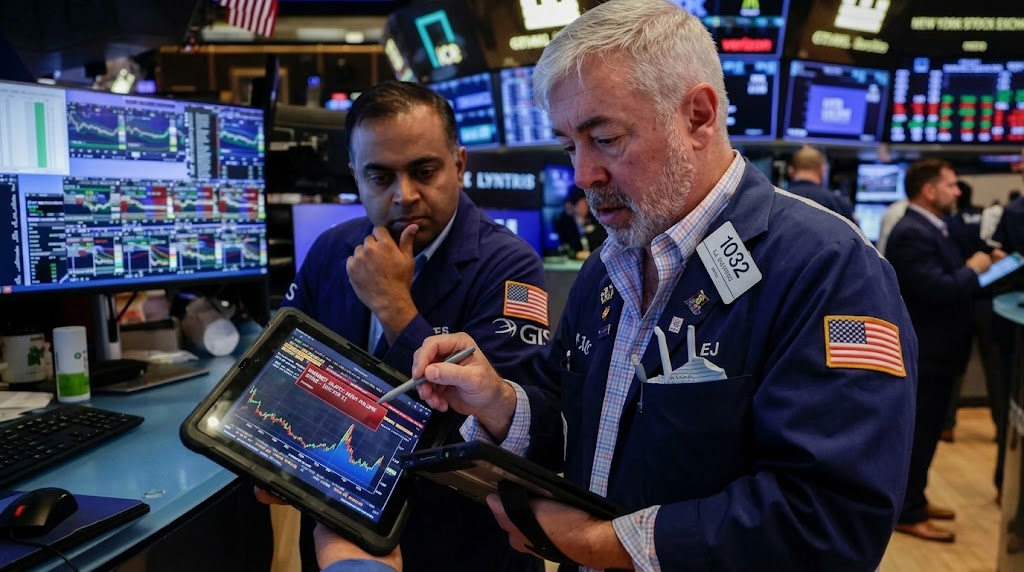
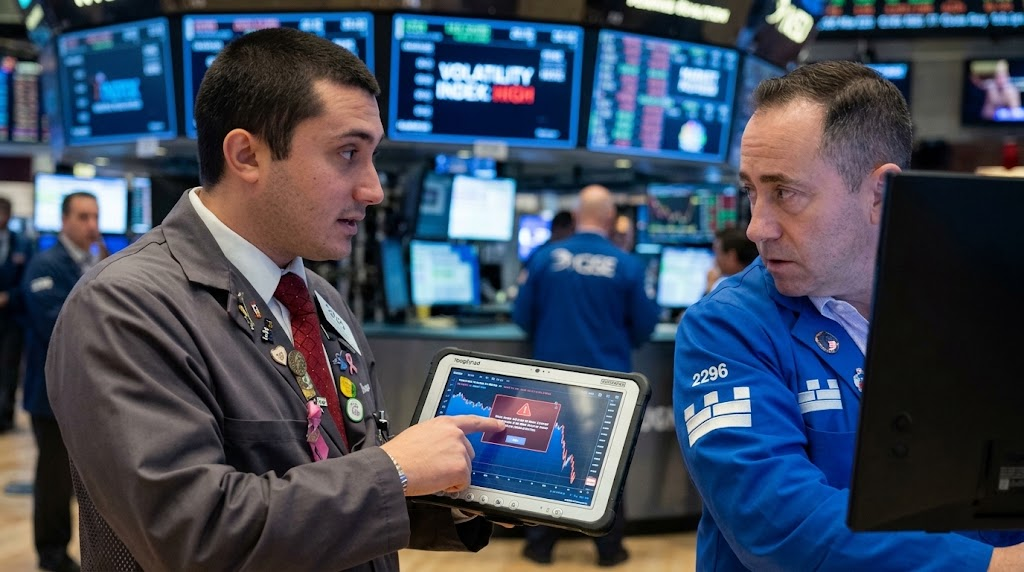
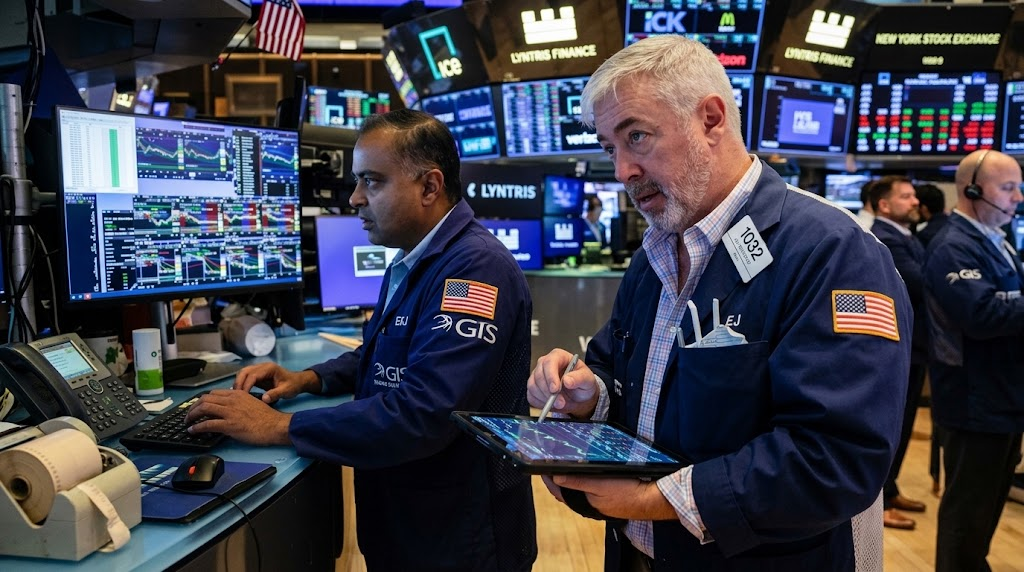
U.S. stock futures fell sharply Monday as warnings from prominent artificial-intelligence executives about the pace and safety of AI development pressured chipmakers and other technology shares. Nasdaq-100 futures fell about 1.8%, while S&P 500 futures declined roughly 0.7% to 0.8% in early trading.
Nvidia, Intel and Marvell Technology were among the companies facing premarket pressure. Market coverage cited declines of about 3% for Nvidia, nearly 6% for Intel and approximately 7% for Marvell in one snapshot.
What triggered the selloff
Anthropic CEO Dario Amodei called for the industry to slow the pace at which AI-model capabilities are advancing. Other major technology leaders also backed a more cautious approach, increasing investor concern about regulation, commercialization timelines and the cost of AI infrastructure.
The comments do not mean that AI development has stopped. They do, however, introduce a new question for markets: could safety controls, regulation or more cautious deployment delay the revenue growth investors have priced into AI-related companies?
Why chip stocks reacted first
Semiconductor companies have benefited from enormous demand for processors, memory, networking equipment and data-center infrastructure. Their valuations are therefore sensitive to changes in expectations for AI spending.
If companies slow model development, some investors may worry that:
- Data-center expansion could take longer.
- Orders for advanced chips could be delayed.
- Customers could reassess capital budgets.
- AI companies could prioritize safety spending over expansion.
- Revenue forecasts may need to be revised.
These are market concerns, not confirmed changes to individual companies’ orders or guidance.
Nvidia, Intel and Marvell under pressure
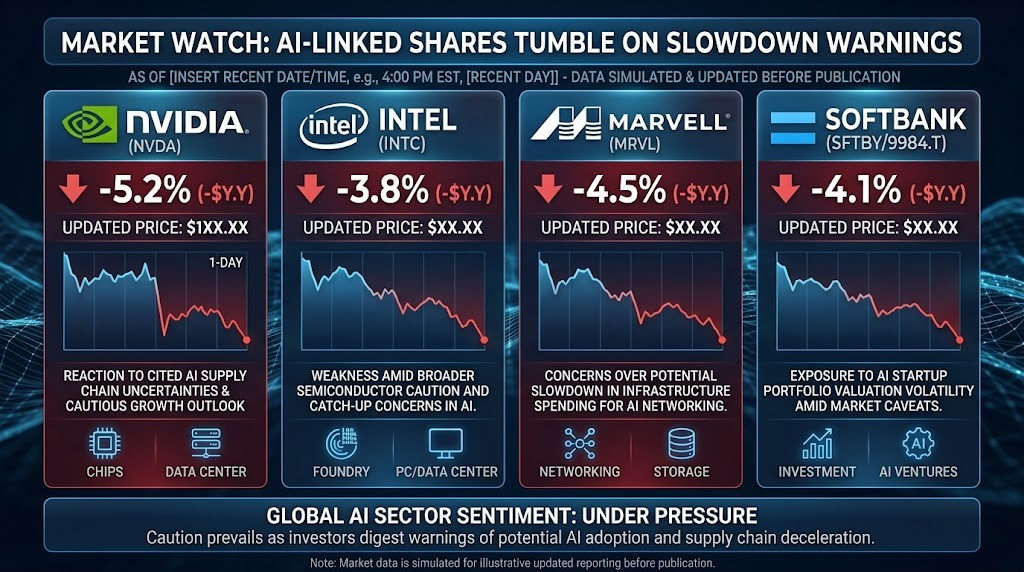
Nvidia is viewed as a major beneficiary of AI infrastructure spending, which makes it particularly sensitive to shifts in expectations. Intel and Marvell are also exposed to parts of the semiconductor and data-center ecosystem.
The declines do not necessarily indicate deteriorating fundamentals at each company. They show that investors are repricing the sector based on a new risk narrative.
Market reactions can be exaggerated when many investors hold similar positions. A change in sentiment may produce rapid losses even before earnings estimates change.
SoftBank becomes an AI-investment proxy
SoftBank Group, a major OpenAI investor, fell more than 10% in Tokyo. The move made SoftBank a visible proxy for concerns about AI valuations, financing and the timing of potential returns from private AI investments.
SoftBank’s decline does not directly measure the value of every AI company. It reflects the sensitivity of an investment conglomerate with significant exposure to the sector.
The three scenarios investors are considering
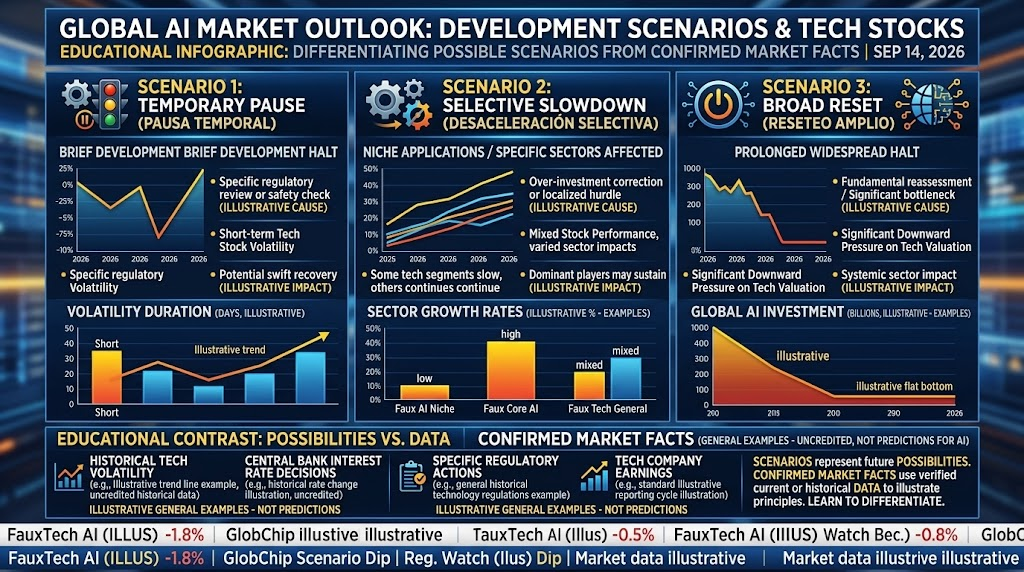
Short-term pause
AI companies introduce stronger safety procedures but continue investing heavily. In this case, chip demand could slow temporarily without disappearing.
Selective slowdown
Companies reduce spending on less profitable projects while directing capital toward applications with clearer commercial returns. This could create winners and losers within the AI sector.
Broad investment reset
Regulatory, technical or financial constraints lead to a sustained reduction in AI infrastructure spending. That would create greater pressure on semiconductor valuations and companies with high AI exposure.
These scenarios are analytical frameworks, not forecasts.
What investors should monitor
- Company earnings guidance.
- Capital expenditure plans from major cloud providers.
- Semiconductor inventory levels.
- AI model launches and safety rules.
- Financing conditions.
- Revenue growth from AI products.
- Valuation relative to expected earnings.
Bottom line
AI-linked stocks fell after industry leaders called for a slower and more cautious pace of development. The central market question is whether the comments represent a temporary pause, a shift toward more selective spending or the beginning of a broader reassessment of AI valuations.
Financial Disclaimer
This article is for informational purposes only and does not constitute personalized investment, tax or financial advice. Market data can change rapidly. Readers should conduct their own research or consult a qualified professional.
Source:
- Reuters market report
- CNN Business coverage
- CNBC market coverage
- Nasdaq
- U.S. Securities and Exchange Commission
- preCharge News
FAQ
AI-linked stocks fell after industry leaders called for slower and safer AI development, raising concerns about spending, regulation and commercial timing.
Reports cited pressure on Nvidia, Intel, Marvell Technology and SoftBank, among others.
No. The calls were for a slower or more cautious pace, not an end to AI development.
Their revenue expectations are closely connected to data-center construction, processors, memory and networking demand.
Nasdaq-100 futures fell roughly 1.5% to 1.8% in early market coverage.finance.
SoftBank has significant exposure to AI investments, including OpenAI, so investors treated it as a proxy for AI valuation risk.
Anthropic CEO Dario Amodei was among the executives cited in the reports.
Regulation could increase compliance costs or delay some products, but its effect would depend on the specific rules.
No. Market price changes and business fundamentals are related but not identical.
Earnings guidance, capital expenditures, chip demand, safety rules and AI revenue growth.
That depends on valuation, risk tolerance and individual circumstances. A market decline alone is not a buy signal.
No. This is general market commentary, not personalized investment advice.