 Eduardo Sifuentes
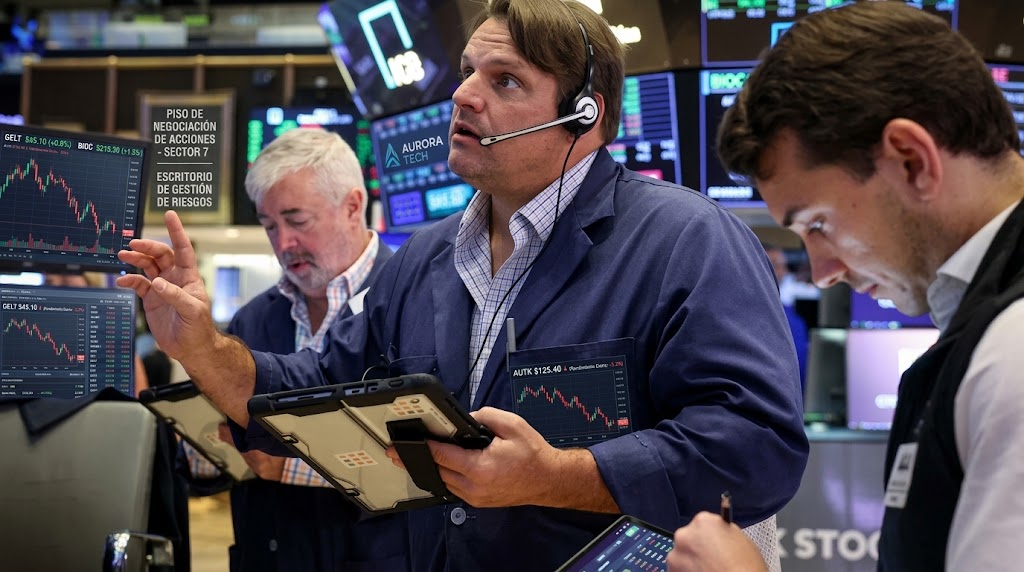
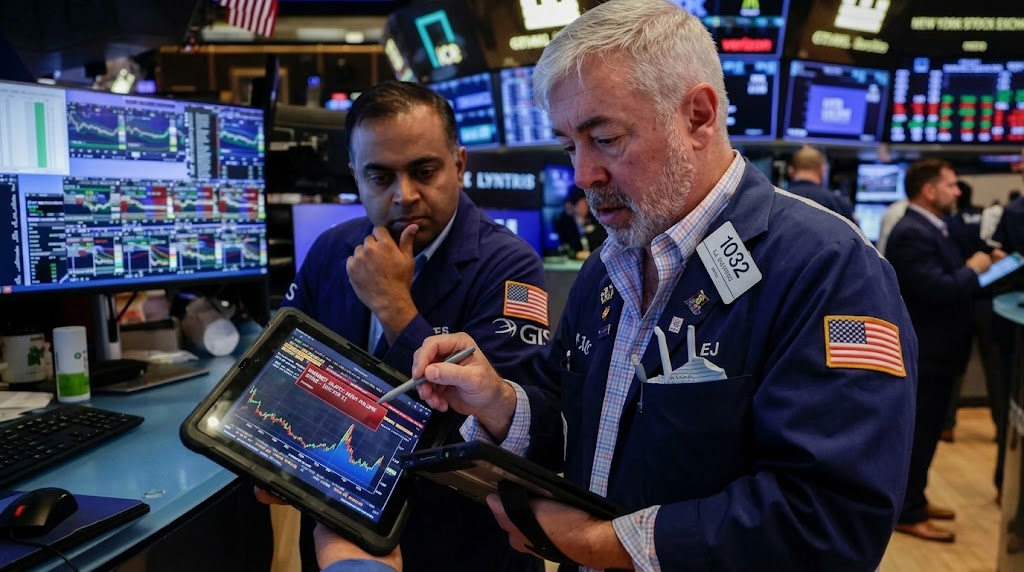
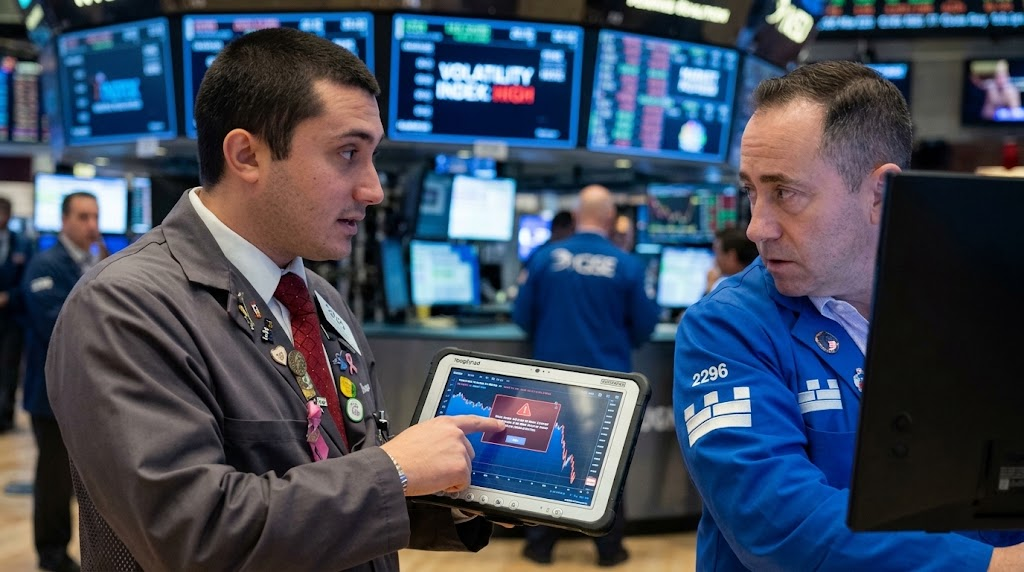
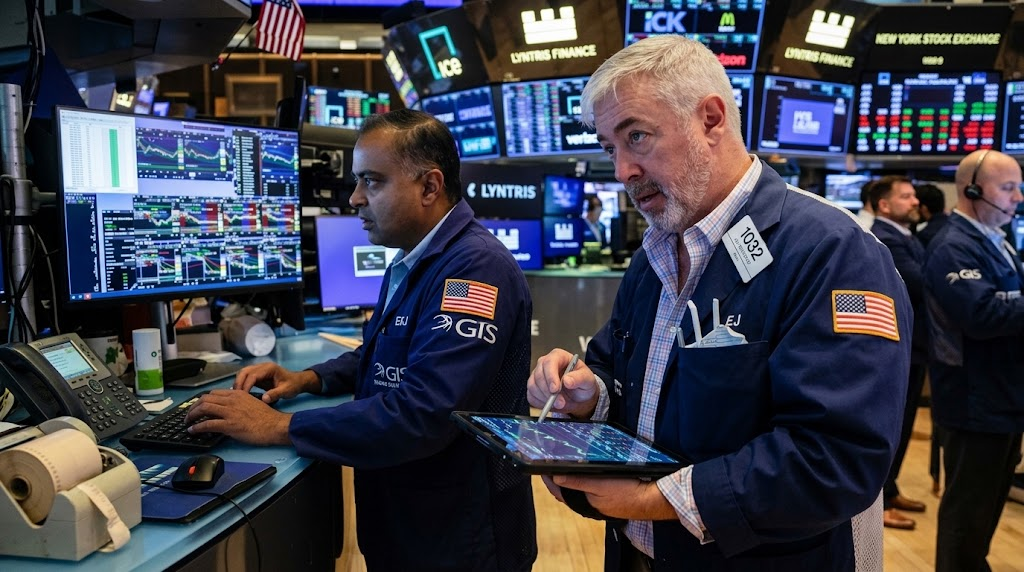
U.S. stock futures moved lower Tuesday as rising oil prices, Treasury yields above 5% and uncertainty about artificial-intelligence demand created a difficult backdrop for investors. At 4:36 a.m. ET, Dow futures were down 0.65%, S&P 500 futures had fallen 0.52% and Nasdaq-100 futures had declined 0.58%.
The market is absorbing three separate pressures at once: an energy-supply shock, expectations for higher interest rates and concerns that the pace of AI investment may slow. Those forces can affect both stock valuations and corporate earnings expectations.
What is pressuring stocks
The latest decline is not being driven by one company or one economic report. Instead, investors are weighing:
- Crude oil above $100 per barrel.
- The 10-year Treasury yield near 5%.
- A widely expected Federal Reserve rate increase.
- Recent warnings about the pace and safety of AI development.
- Higher borrowing costs for businesses and households.
Reuters reported that Alphabet and Microsoft were down more than 1% in premarket trading, while chipmakers traded in a narrower range after bearing much of Monday’s selloff. Nvidia was slightly higher in one early snapshot.
Why the Nasdaq is especially sensitive
Technology and growth stocks often depend on earnings expected years in the future. When Treasury yields rise, those future profits are discounted at a higher rate, which can reduce the valuation investors are willing to pay today.
This does not mean every technology company is overvalued or that all tech stocks must fall. It means the sector can react sharply when interest-rate expectations change.
The Nasdaq is also sensitive to AI spending because investors have assigned substantial value to projected growth in chips, cloud infrastructure and enterprise software.
Oil creates a second headwind
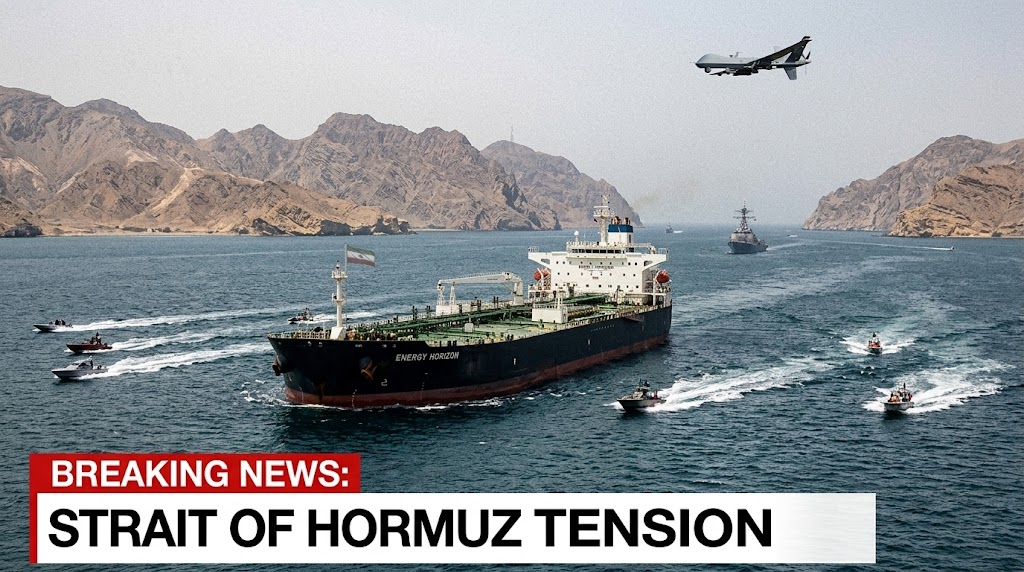
Brent crude futures rose more than 2% to approximately $108.06 per barrel, while West Texas Intermediate traded around $103.76 in the Reuters market snapshot.
Higher oil prices can affect markets through several channels:
- Gasoline and household energy costs rise.
- Transportation and logistics become more expensive.
- Corporate margins may shrink.
- Inflation expectations can increase.
- The Federal Reserve may keep rates higher for longer.
Energy companies may benefit from higher prices, but the broader economy can face pressure if the increase persists.
Why the market is not showing panic
Although futures are lower, recent coverage suggests investors are not behaving as though a broad financial crisis has begun. The S&P 500 remained less than 3% below its August 13 record high, while strong earnings expectations and economic resilience continued to support stocks.
That distinction matters. A market can experience a normal correction without entering a panic-driven collapse.
Investors should watch breadth, credit spreads, trading volume and volatility rather than focusing only on the first move at the open.
Three possible market paths
Relief rally
Oil retreats, yields stabilize and AI concerns fade. Growth stocks could recover part of their recent losses.
Choppy rotation
Energy stocks outperform while technology remains volatile. Investors move between sectors instead of abandoning equities broadly.
Broader correction
Oil remains elevated, yields continue higher and earnings expectations weaken. In that case, high-valuation growth stocks could face additional pressure.
These are scenarios, not predictions.
Bottom line
U.S. stock futures are under pressure because investors are facing a rare combination of higher oil, higher Treasury yields and uncertainty about the next phase of AI spending.
The important question is whether these are temporary headwinds or the beginning of a broader change in the market’s growth and inflation assumptions.
Outbound links
- Reuters futures report
- Reuters market-resilience analysis
- Federal Reserve
- Nasdaq market data
- U.S. Energy Information Administration
- preCharge News
FAQ
Oil prices, Treasury yields and uncertainty around AI demand are weighing on sentiment.
Dow futures were down about 0.65% in the cited early snapshot.
S&P 500 futures declined about 0.52%.
Nasdaq-100 futures fell about 0.58% in the same snapshot.
Higher discount rates reduce the present value of profits expected in the future.
It influences inflation, transportation costs, business margins and household spending.
Current coverage describes pressure and volatility, but not evidence of a broad panic. The S&P 500 remained relatively close to its record high.
Semiconductor, cloud-computing and other companies valued heavily on AI growth expectations can be sensitive.
Some producers may benefit, although costs, taxes, production levels and company-specific conditions matter.
Yes. Futures do not determine the closing result, and market sentiment can change after the open.
Treasury yields, oil prices, market breadth, earnings guidance and volatility.
No. It is general market commentary, not personalized financial advice.