 Eduardo Sifuentes
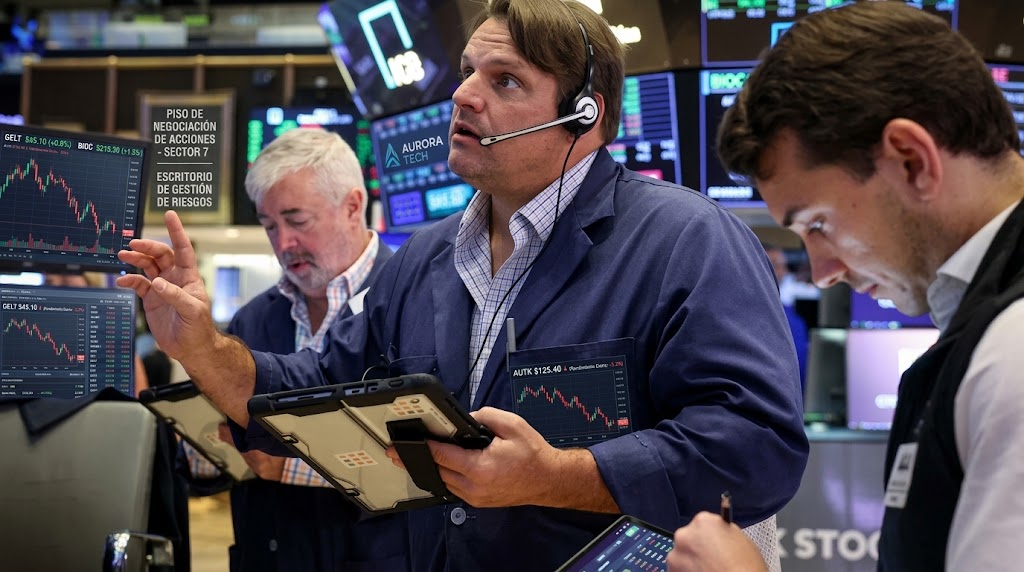
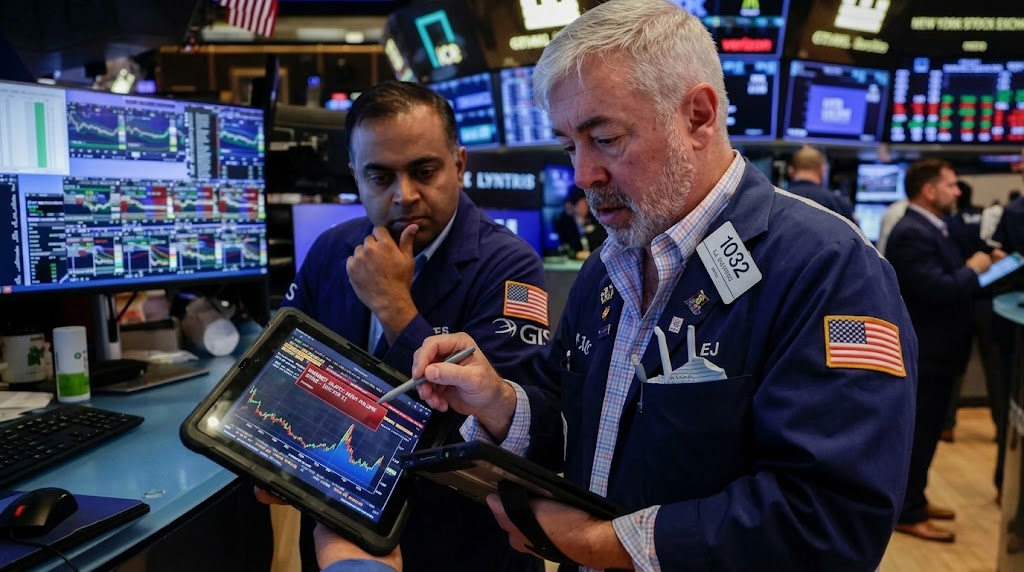
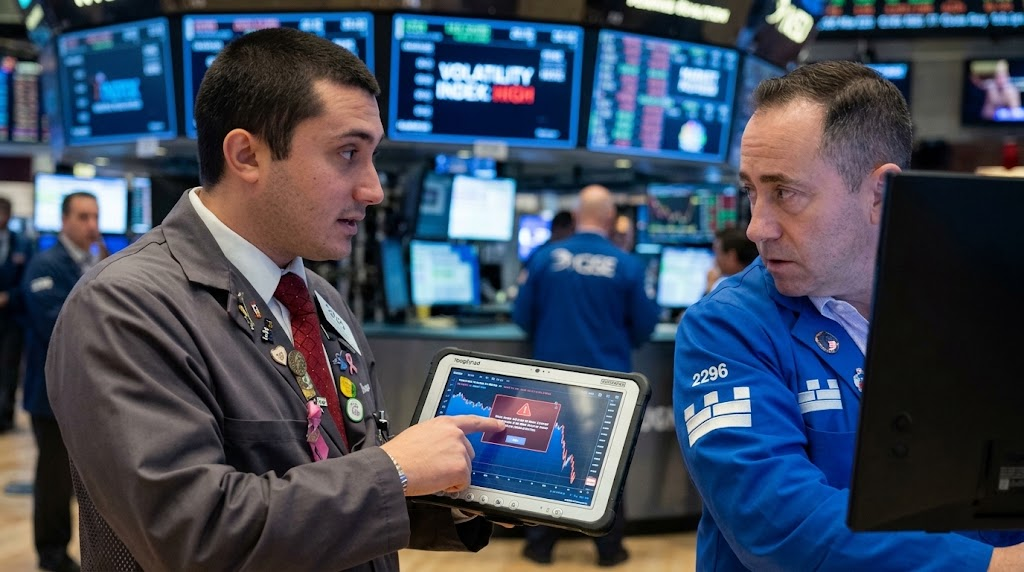
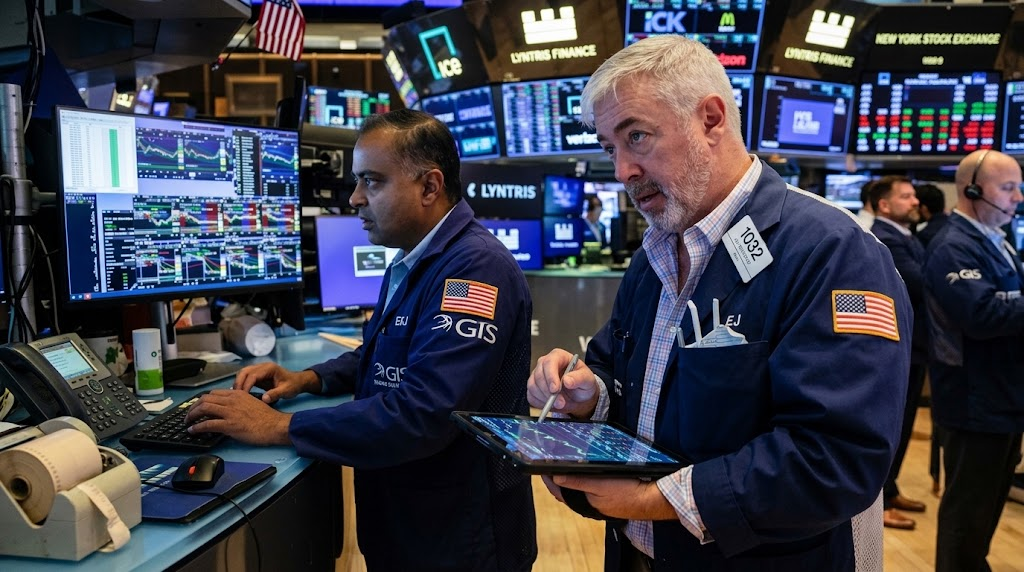
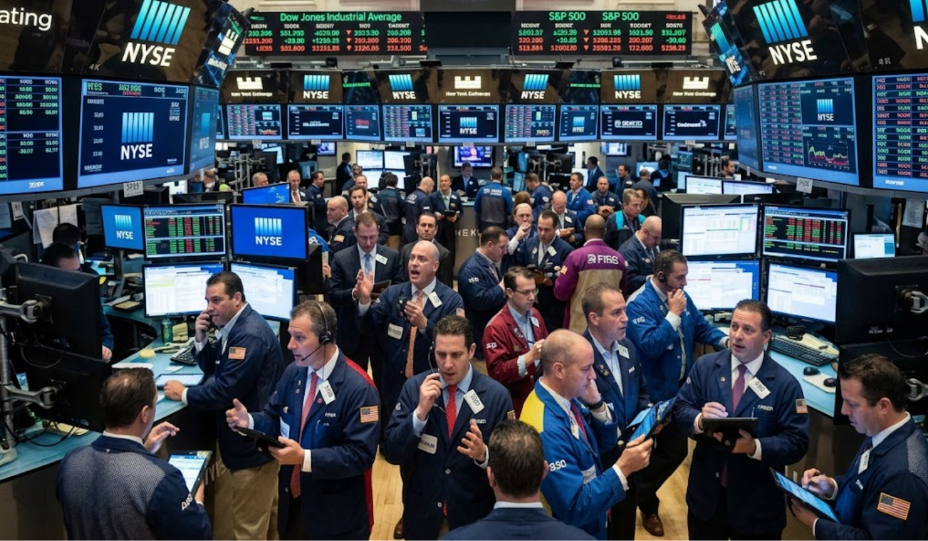
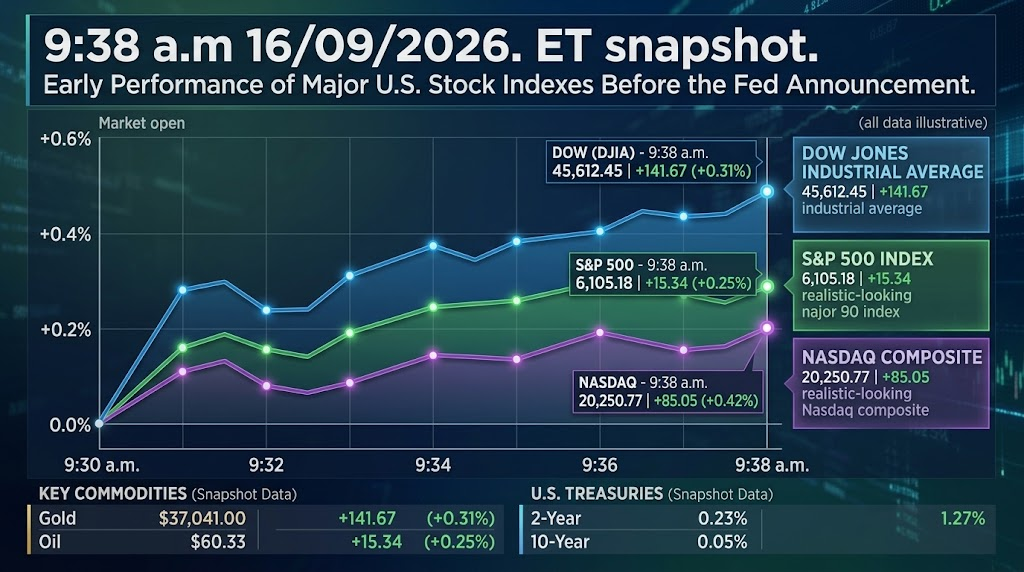
U.S. stocks moved higher Wednesday morning as lower oil prices offered some relief to investors waiting for the Federal Reserve’s interest-rate decision. At approximately 9:38 a.m. ET, the S&P 500 was up 0.19%, the Nasdaq Composite was up 0.43% and the Dow Jones Industrial Average was down 0.19%.
The modest rebound followed two consecutive weaker sessions and came as investors prepared for what markets expect to be the Federal Reserve’s first rate increase since 2023.
Why the market is recovering
Oil prices declined for the first time during the week, helping ease some immediate inflation pressure. Brent crude fell approximately 1.1% to $107.61 per barrel, while U.S. crude declined about 2% to $103.70, according to market coverage.
Lower oil prices can support stocks because they reduce concern about:
- Gasoline costs.
- Transportation expenses.
- Corporate operating margins.
- Inflation expectations.
- Additional interest-rate increases.
The decline does not remove the underlying supply concerns, but it gives investors temporary relief before the Fed announcement.
The market is waiting for the Fed
The expected rate decision is scheduled for 2 p.m. ET, followed by the chair’s press conference. Traders were assigning about a 92.5% to 93% probability to a quarter-point increase.
Because the move is largely expected, the reaction may depend more on the language surrounding future policy.
Investors will focus on:
- The new federal-funds target range.
- Updated economic projections.
- Inflation expectations.
- Labor-market assessments.
- The projected path of future rates.
- Comments from Chair Kevin Warsh.
Why a widely expected hike can still move stocks
Markets react to surprises relative to expectations. If the Fed raises rates by 25 basis points but signals a pause, stocks could interpret the decision positively.
If the Fed raises rates and suggests another increase may follow, Treasury yields could rise and pressure growth-stock valuations.
A decision to hold rates steady would surprise most traders and could produce a sharp move in stocks, bonds and the dollar.
Technology shares lead the rebound
The Nasdaq’s stronger morning performance suggests that some investors were willing to buy technology stocks after recent weakness. However, the sector remains sensitive to Treasury yields and questions about AI spending.
A relief rally does not necessarily mean the market’s larger concerns have disappeared. It may simply reflect short-term positioning before a major policy event.
What households should know
The Fed decision can affect households through:
- Variable-rate credit cards.
- Home-equity loans.
- Savings yields.
- Mortgage pricing.
- Auto loans.
- Business borrowing.
Existing fixed-rate debt usually does not change immediately after a Fed decision, while variable-rate borrowing can adjust more quickly.
Bottom line
U.S. stocks are attempting to stabilize as oil prices retreat and investors wait for the Federal Reserve’s decision. The next major move may depend less on whether the Fed raises rates and more on how Chair Warsh describes future policy.
Source:
- Reuters market coverage
- Federal Reserve monetary policy
- CME FedWatch
- EIA petroleum data
- preCharge News
Financial Disclaimer
This article is for informational purposes only and does not constitute personalized investment, tax or financial advice. Market data can change rapidly. Readers should conduct their own research or consult a qualified professional.
Frequently Asked Questions (FAQ)
Lower oil prices offered some relief as investors awaited the Federal Reserve’s decision.
It was up approximately 0.19% at the cited snapshot.
The Nasdaq Composite was up approximately 0.43%.
The Dow was down approximately 0.19% at the same time.
The decision is scheduled for 2 p.m. ET.
The press conference is scheduled for 2:30 p.m. ET.
Markets were pricing roughly a 92.5% to 93% chance of a quarter-point hike.
Oil affects inflation, transportation, production costs and corporate margins.
Yes. If the hike is already priced in or the Fed signals a pause, stocks may react positively.
A more aggressive Fed outlook, renewed oil gains or weaker economic projections could pressure equities.
Usually not. Existing fixed-rate payments generally do not reset because of one Fed decision.
No. It is general market commentary.