 Eduardo Sifuentes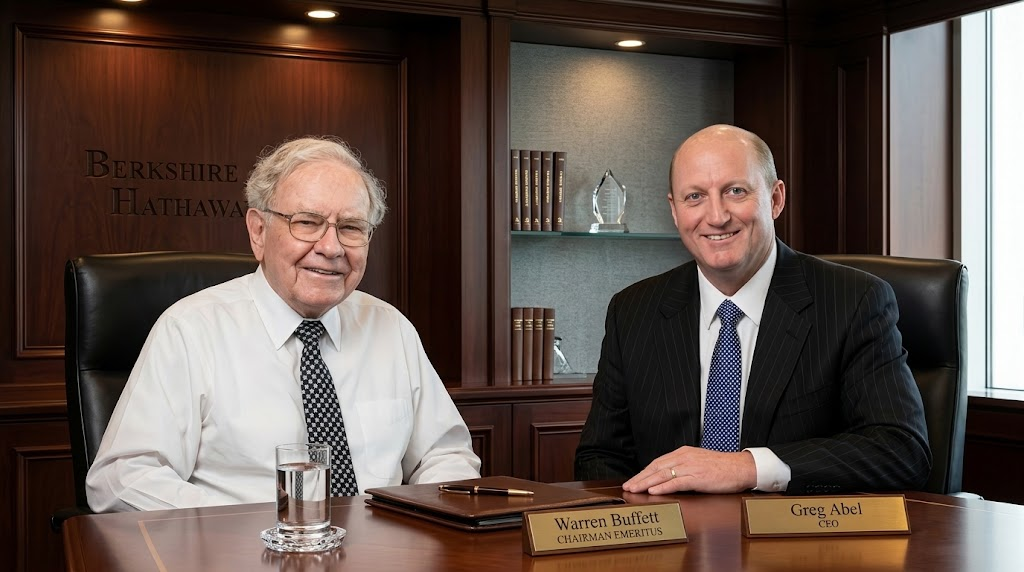
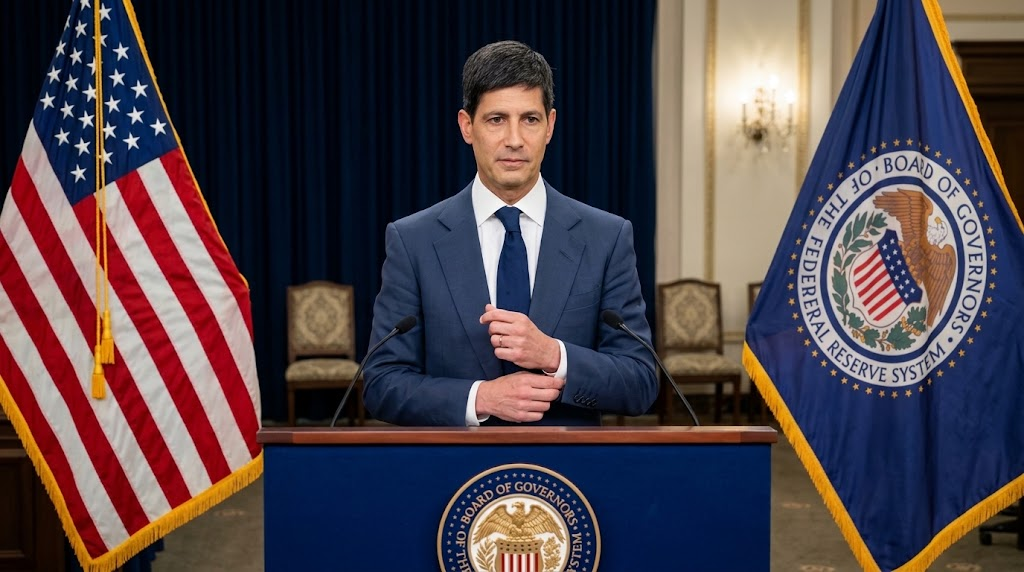
Warren Buffett is stepping down as chairman of Berkshire Hathaway, formally ending more than five decades in the role. Berkshire said Friday that Buffett will become chairman emeritus and remain on the board, while his son, Howard Buffett, becomes chairman. Greg Abel continues as chief executive officer.
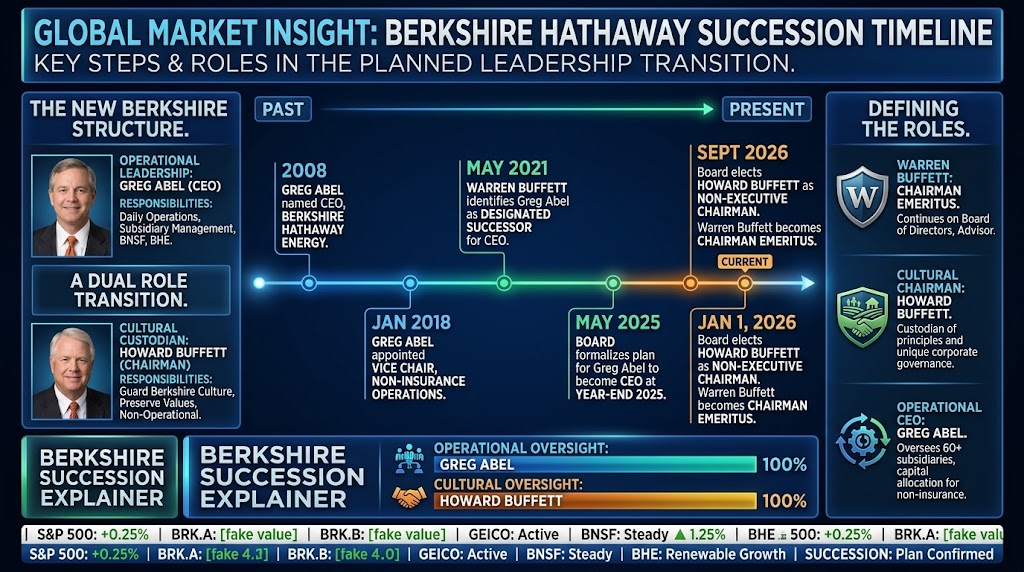
The announcement is the latest stage of a succession plan that began when Abel took over Berkshire’s CEO role at the start of 2026. The company is now separating three responsibilities: day-to-day operations, board leadership and the preservation of Berkshire’s culture.
What changed Friday
The company announced:
- Warren Buffett becomes chairman emeritus.
- Buffett remains a director.
- Howard Buffett becomes chairman of the board.
- Greg Abel remains CEO.
- Susan Decker remains lead independent director.
This is not a complete departure by Warren Buffett. He remains involved as a director and is expected to continue offering judgment and perspective to Berkshire.
Why the chairman role matters
At many companies, the chairman is primarily responsible for board oversight. At Berkshire, the role has carried unusual symbolic importance because Buffett shaped the company’s culture, capital-allocation philosophy and relationship with shareholders.
The transition therefore involves more than a change in title. Investors are evaluating whether Berkshire can preserve its distinctive model without Buffett actively leading the board.
Berkshire is a diversified conglomerate with insurance, railroad, energy, manufacturing and investment operations. Its structure relies heavily on decentralized management and disciplined capital allocation.
Howard Buffett’s role
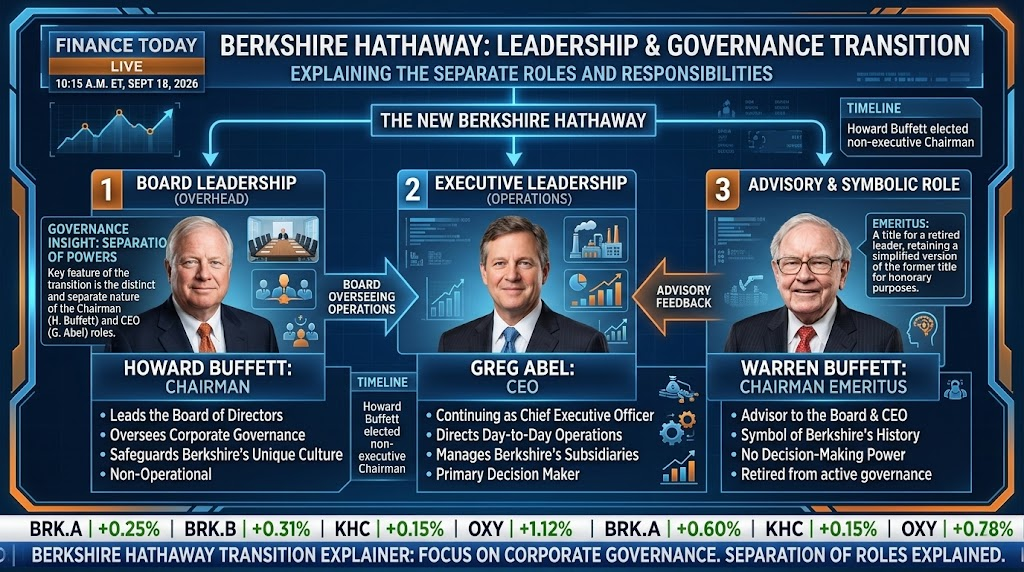
Howard Buffett has served as a Berkshire director since 1993. His appointment gives the board a leader associated with the Buffett family and Berkshire’s culture.
That does not mean Howard will run Berkshire’s operating businesses. Greg Abel remains CEO and is responsible for managing the company.
The distinction matters:
- Howard Buffett: Board chair and cultural steward.
- Greg Abel: Chief executive and operating leader.
- Warren Buffett: Chairman emeritus, director and adviser.
The market reaction
Berkshire shares were little changed in early trading in some reports. Class B shares closed at $509.20 Thursday and were around $509.24 in Friday premarket trading.
The muted reaction may indicate that investors had already anticipated the transition. Berkshire had been preparing the market for succession for years, and Abel’s move to CEO at the beginning of 2026 reduced the surprise factor.
A calm stock reaction does not mean the transition is unimportant. It may mean investors are evaluating execution over a longer horizon rather than trading the headline.
Berkshire’s financial position
Berkshire reported strong recent operating results. One report said quarterly operating profit rose 16% to $12.98 billion, while net income more than doubled to $25.67 billion, including unrealized investment gains and losses.
Berkshire also began reducing its enormous cash position during the second quarter, investing in stocks such as Alphabet and repurchasing shares.
Those decisions matter because capital allocation has historically been central to Berkshire’s appeal. Investors will watch whether Abel and the new board maintain the company’s discipline.
My professional opinion
My view is that this is best understood as a governance transition, not an operating rupture.
The most intelligent way to analyze Berkshire is to ask which functions require Buffett personally and which functions are institutionalized. If Abel already runs the company, and the board has a clear chair structure, then the immediate operational risk is lower than the emotional significance of the announcement suggests.
The real test is not whether Berkshire can repeat Buffett’s personality. It is whether Berkshire can preserve:
- Rational capital allocation.
- Low-cost insurance funding.
- Decentralized operating discipline.
- Shareholder trust.
- Patience during periods of market euphoria.
A corporation should not need one extraordinary human being to remain coherent. If it does, the corporation is a personality cult with excellent quarterly reports.
Personal hypotheses
Short term
The shares may remain relatively stable because the succession was expected. Volatility could increase if investors receive contradictory signals about capital allocation or board authority.
Medium term
The stock’s valuation may depend increasingly on Abel’s operating record and the board’s ability to explain investment decisions clearly.
Long term
Berkshire’s success will depend less on reproducing Buffett’s returns and more on preserving its advantages: insurance float, scale, liquidity and disciplined acquisitions.
Fact-check and common errors
Error 1: “Buffett is leaving Berkshire.”
Not exactly. He is becoming chairman emeritus and remains a director.
Error 2: “Howard Buffett becomes CEO.”
Incorrect. Greg Abel remains CEO; Howard becomes chairman.finance.
Error 3: “The transition was unexpected.”
The timing is new, but the broader succession plan has been long established.
Error 4: “The stock immediately collapsed.”
Reports indicated Berkshire shares were little changed in early trading.finance.
What could reduce transition risk
Berkshire can strengthen confidence by publishing:
- Clear board responsibilities.
- Transparent capital-allocation principles.
- Regular communication from Abel.
- Measurable operating targets.
- A formal emergency succession plan.
- Continued annual shareholder communication.
Bottom line
Warren Buffett is stepping down as Berkshire Hathaway chairman, but he is not disappearing from the company. Howard Buffett will chair the board, Greg Abel will continue as CEO and Buffett will remain a director.
The transition’s long-term success will be measured by decisions made when Buffett is not in the room.
Source:
- Reuters report
- Berkshire Hathaway announcement
- Berkshire investor relations
- SEC filings
- Berkshire news release
- preCharge News
Financial Disclaimer
This article is for informational purposes only and does not constitute personalized investment, tax or financial advice. Market data can change rapidly. Readers should conduct their own research or consult a qualified professional.
Frequently Asked Questions (FAQ)
No. He became chairman emeritus and remains on Berkshire’s board.
Howard Buffett, Warren Buffett’s son, became chairman of the board.
Greg Abel remains CEO.
He held the chairmanship for more than five decades.
It is an honorary leadership role that allows Buffett to remain involved while no longer serving as active board chair.
Yes.
The announcement formalizes the plan separating Abel’s operating role from Howard Buffett’s board and cultural role.
Reports said shares were little changed in early trading.finance.
He is associated with Berkshire’s culture and has served as a director since 1993.
Capital allocation, acquisitions, insurance results, operating earnings and communication from Abel and the board.
No conclusion should be drawn from the leadership announcement alone.
No. This is general business and market analysis.