 Eduardo Sifuentes
The Federal Reserve raised its benchmark interest rate by 25 basis points Wednesday and signaled that another increase may be needed before the end of 2026. The unanimous decision moved the federal-funds target range to 3.75%–4.00%, marking the first Fed hike since 2023.
The strongest signal came from the Fed’s projections: 16 of the 18 policymakers who submitted a forecast expected at least one more quarter-point increase by the end of 2026.
Why the message mattered more than the hike
Markets had largely anticipated the 25-basis-point increase. The surprise was the strength of the Fed’s message.
Officials said the move would support a “timelier return” of inflation to the central bank’s 2% goal. The statement also cited persistent above-target inflation and signs of a stronger economy.
A central bank can raise rates without sounding aggressively hawkish. In this case, policymakers signaled that the fight against inflation is not finished.
What the dot plot shows
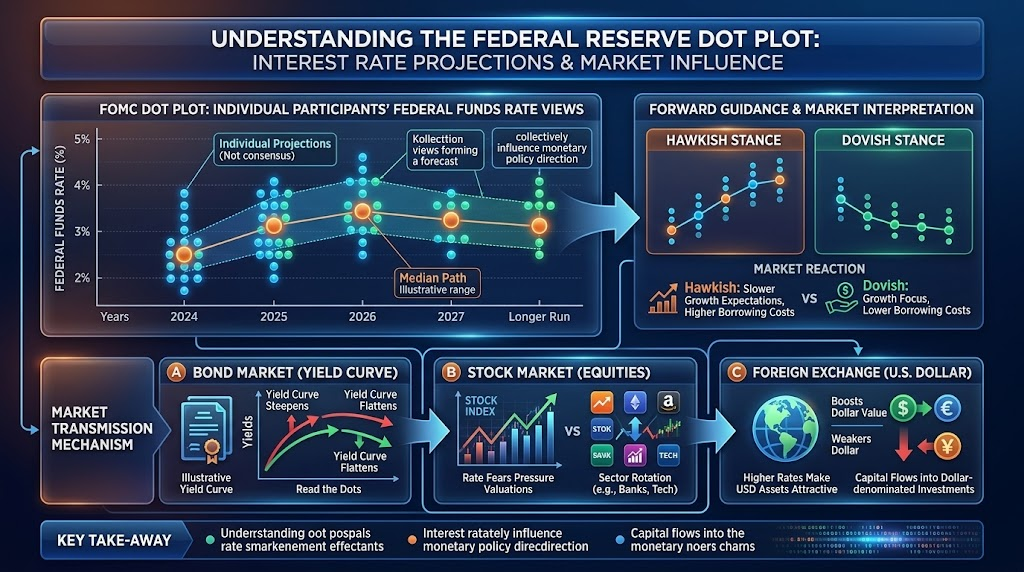
The dot plot is a collection of individual Federal Reserve officials’ projections for future interest rates. It is not a promise, and the chair may not submit a projection in every circumstance.
The latest projection showed that most participating officials favored another increase in 2026. That creates a more restrictive outlook than investors had hoped for.
The market still has to evaluate whether the projections change as new employment, inflation and energy data arrive.
Why inflation remains difficult
The Fed is dealing with multiple inflation pressures:
- Elevated energy prices.
- War-related supply disruption.
- Tariffs and import costs.
- Stronger economic demand.
- Persistent price growth in certain categories.
Higher interest rates can slow demand, but they cannot directly resolve a supply shock. The Fed’s policy is therefore aimed partly at preventing temporary price increases from becoming permanent inflation expectations.
How markets reacted
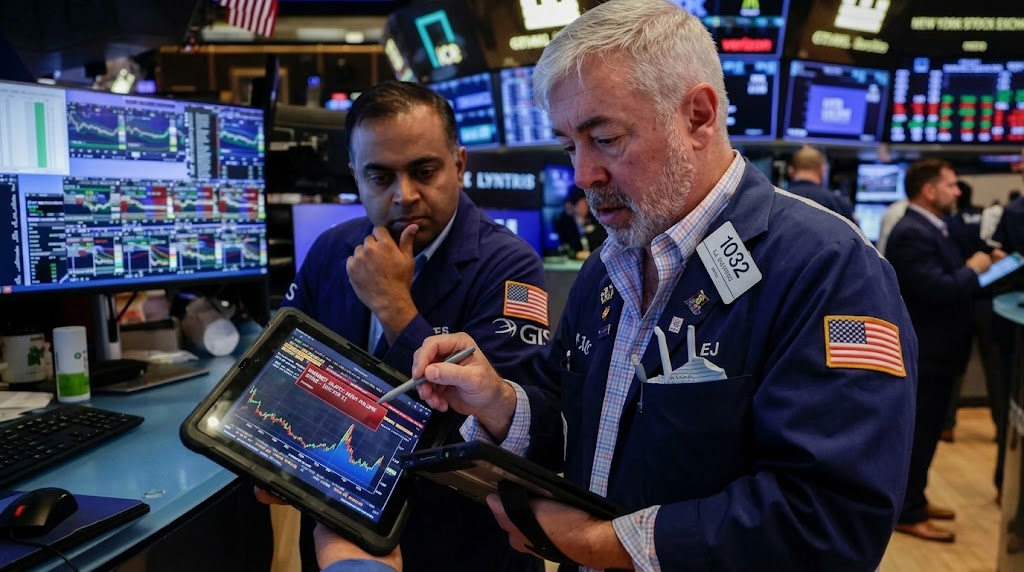
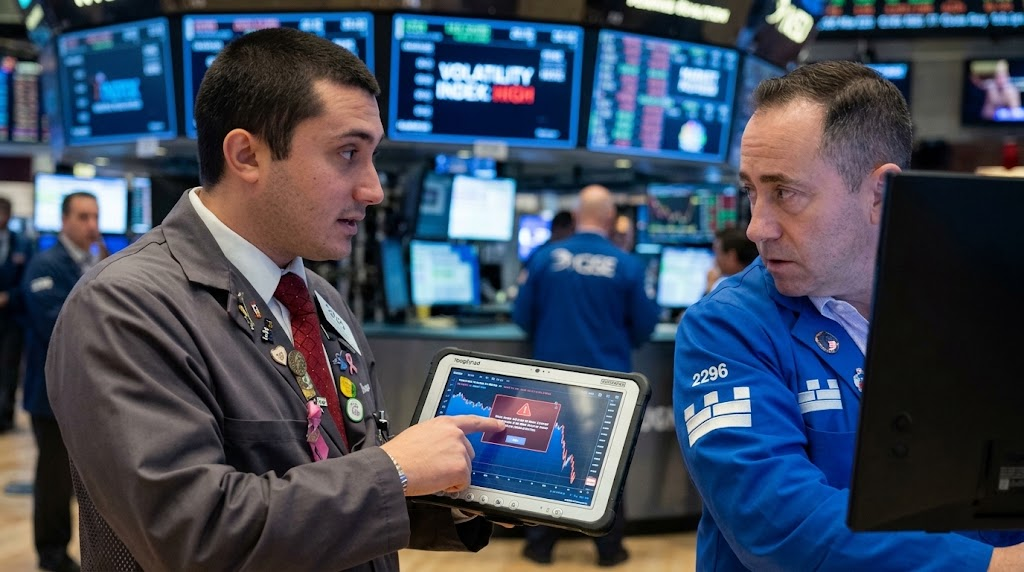
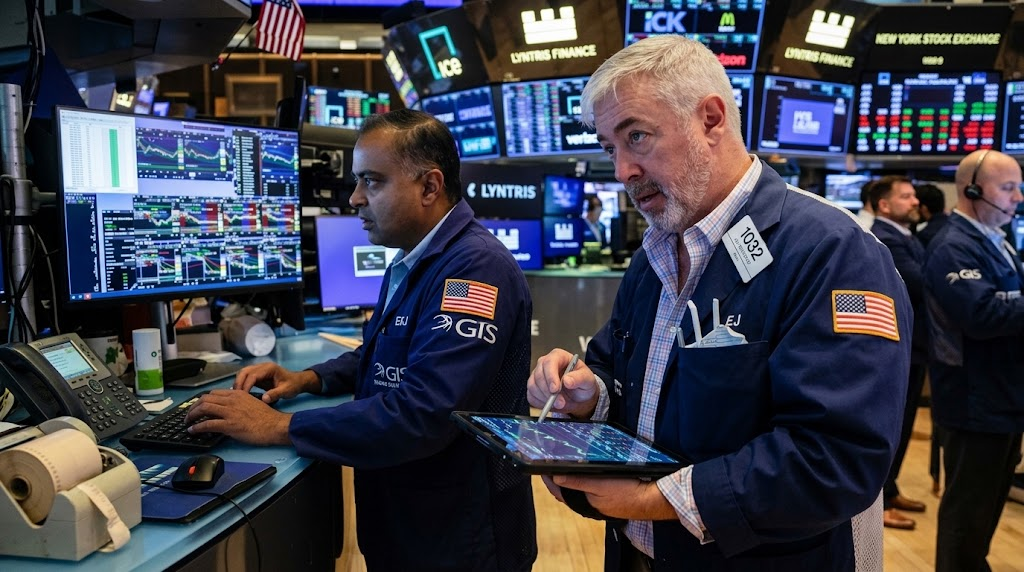
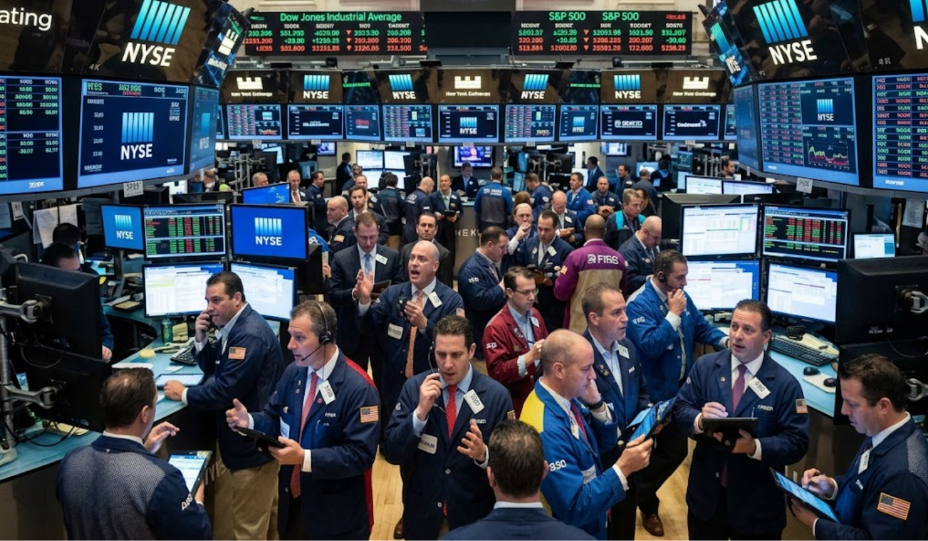
On Wednesday, major indexes turned lower after Chair Kevin Warsh’s comments. Reuters reported that the S&P 500 fell about 1% at one point and the Nasdaq declined roughly 0.7%, while the dollar index rose 0.6% to 100.30.
By Thursday morning, investors appeared calmer. Longer-term Treasury yields edged lower, while short-term yields remained elevated, suggesting that markets were differentiating between near-term policy tightening and longer-term inflation confidence.
What another hike could mean
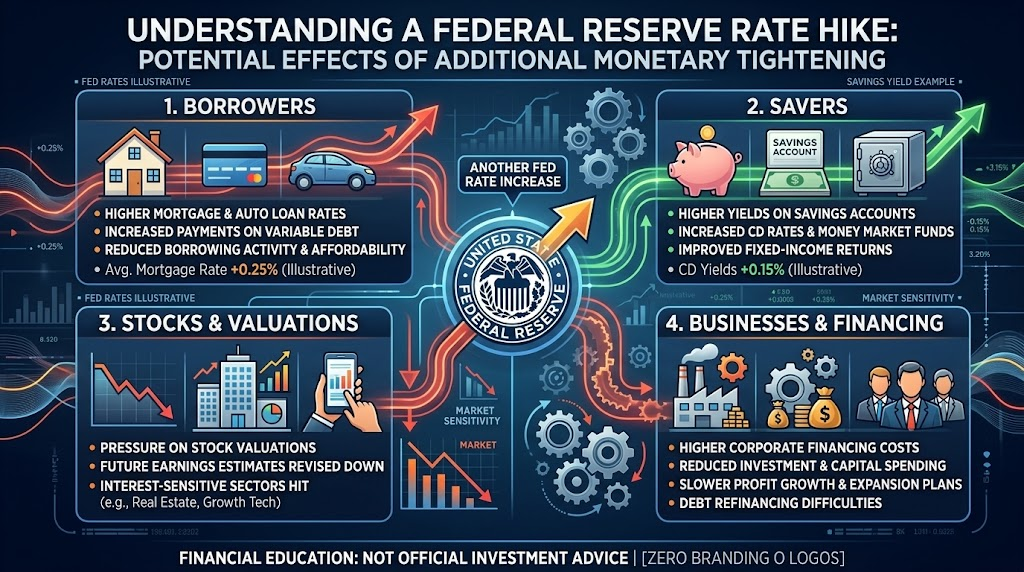
Borrowers
Variable-rate credit products could become more expensive.
Savers
Short-term savings products may offer higher yields.
Stocks
Growth and rate-sensitive companies could face valuation pressure.
Dollar
Higher U.S. rates can support the dollar, although currency prices depend on global policy and economic expectations.
Businesses
Companies refinancing debt may face higher costs.
Fed independence and politics
The decision also drew attention because the administration has repeatedly supported lower rates. Reuters reported that President Trump called for lower rates but stopped short of directly criticizing Warsh in the same way he had criticized his predecessor.
For markets, the broader issue is whether investors believe the Fed can prioritize its inflation mandate independently of political pressure.
What to watch next
- October rate-hike pricing.
- Inflation data.
- Labor-market reports.
- Treasury yields.
- Oil-supply developments.
- Fed speeches.
- Changes in the dot plot.
Bottom line
The Fed’s 25-basis-point hike was expected, but its projection that 16 of 18 officials see another increase made the policy message more hawkish than many investors anticipated.
The next major market test will be whether inflation and oil prices remain high enough to justify another hike in October.
Source:
- Reuters Fed commentary
- CNN explanation of the decision
- Federal Reserve policy statement
- FOMC calendars and statements
- CME FedWatch
- preCharge News
Financial Disclaimer
This article is for informational purposes only and does not constitute personalized investment, tax or financial advice. Market data can change rapidly. Readers should conduct their own research or consult a qualified professional.
Frequently Asked Questions (FAQ)
It raised the federal-funds target range by 25 basis points to 3.75%–4.00%.
Yes, reports said the decision was unanimous.
The increase was the first since 2023.
Sixteen of 18 officials submitting projections expected at least one more increase in 2026.
In monetary policy, hawkish generally means more focused on controlling inflation through tighter financial conditions.
Officials cited persistent above-target inflation and the need to return inflation toward the 2% goal.
It can reduce demand and inflation expectations, but it cannot directly repair supply disruptions.
Stocks initially turned lower after the chair’s comments, while the dollar rose and Treasury yields remained important market signals.
Market pricing showed roughly a 51% chance of another October increase.
Variable-rate borrowing costs may increase, depending on lender terms.
Some short-term savings products may offer higher yields.
No. It reflects projections that can change with future data.